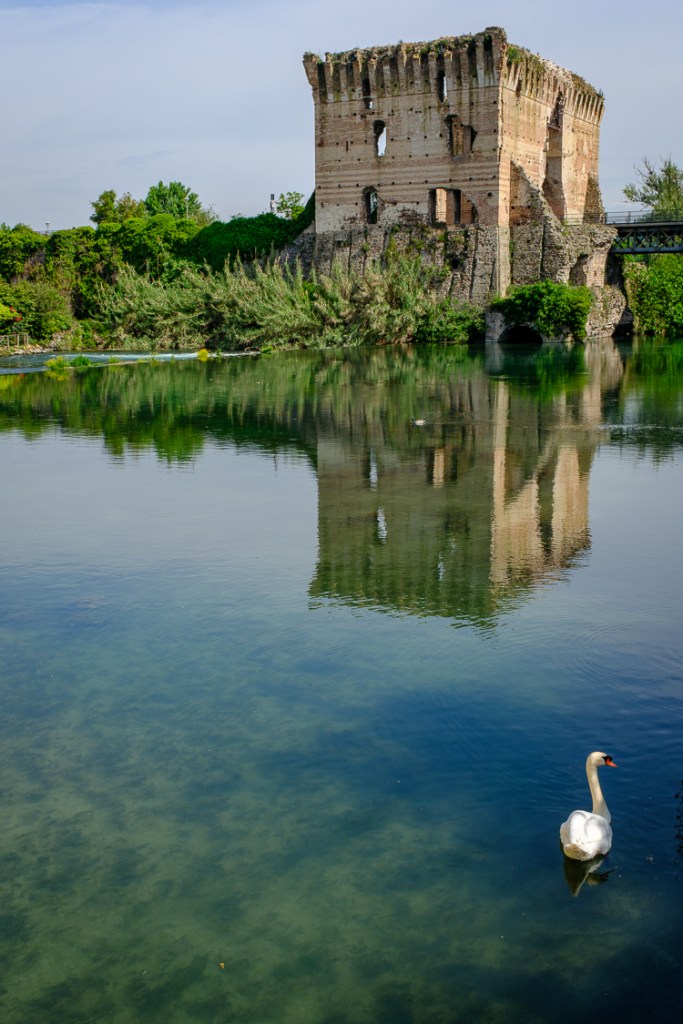
Our second day started off with another sightseeing stop, in the charming town of Borghetto sul Mincio, an old mill town with imposing medieval fortifications on the Mincio river, which drains out of Lake Garda, flowing south into the Po.
Today would be spent focusing on wines made from the Valpolicella grape, grown in the Lake Garda region. The lake is Italy’s largest lake (32 miles long and 10.5 miles wide). German is widely spoken. Valpolicella is blended mainly with Corvino and Corvinone grapes, which are partially desiccated before pressing to make Amarone della Valpolicella. The process leads to more alcoholic wines — a minimum of 14%. In all, 64 million bottles of wine are produced in this region.
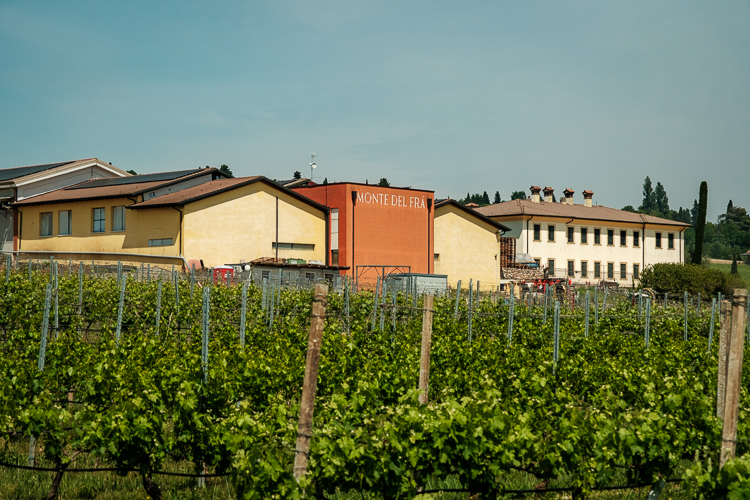
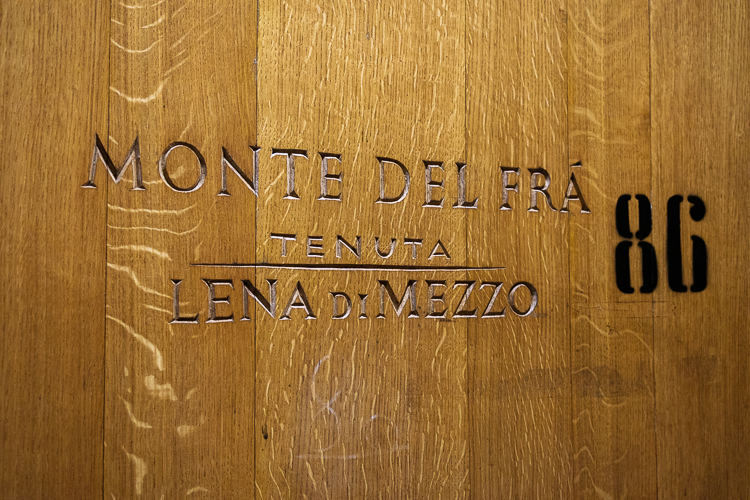
Our first winery for today was Monte del Fra’.
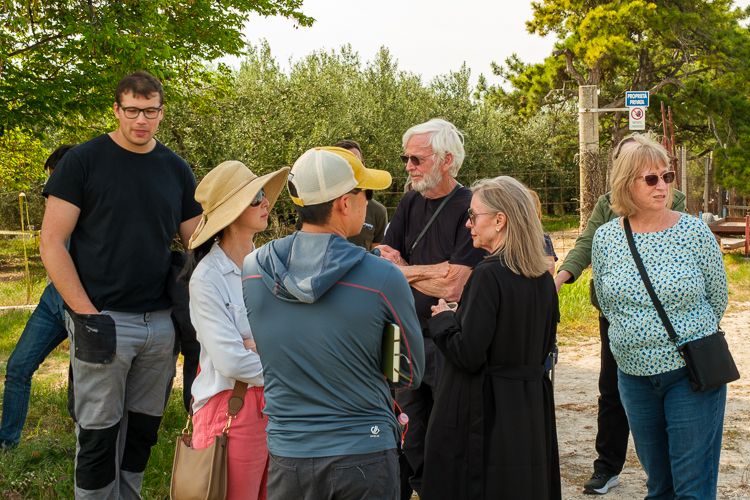
Our winery visits followed a by now familiar pattern. We are welcomed by a family member, often the owner or one of the family’s adult children. We are given a little talk on the background of the winery — the terroir and its effect on the grapes grown, how the family came to be in this spot, how many generations have been farming the land, how many bottles are produced annually, and nature of its growing, harvesting, bottling systems. Most of these wines are low-intervention or no-intervention wines. Sulfites aren’t added.
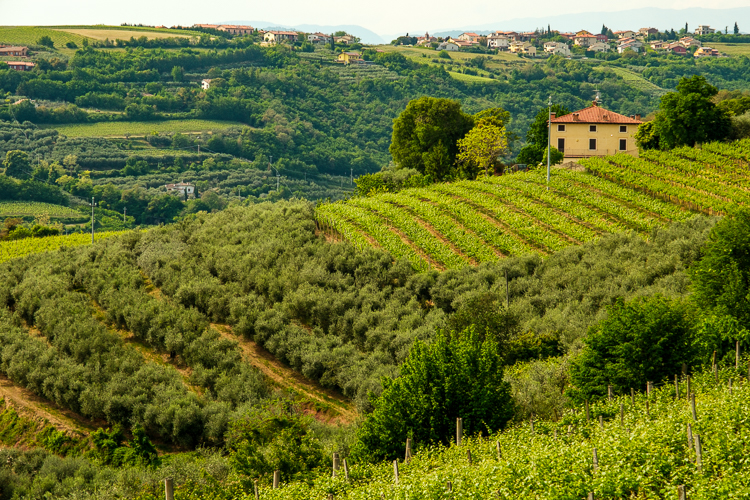
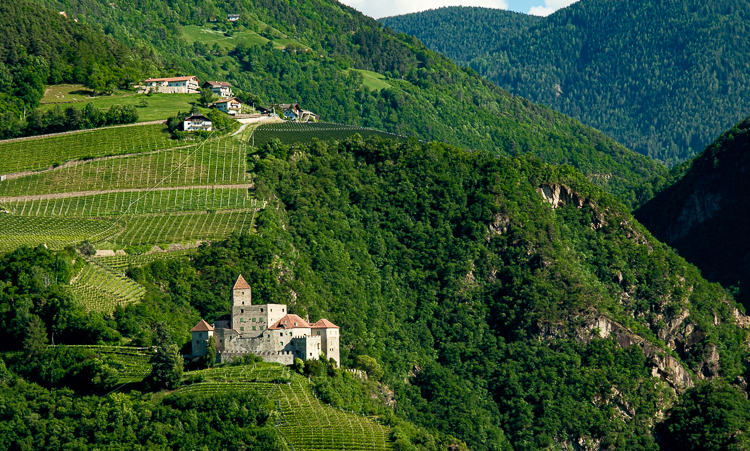
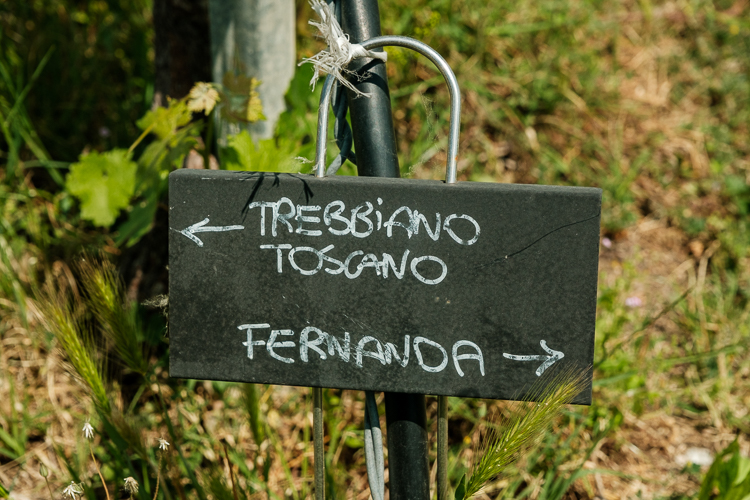
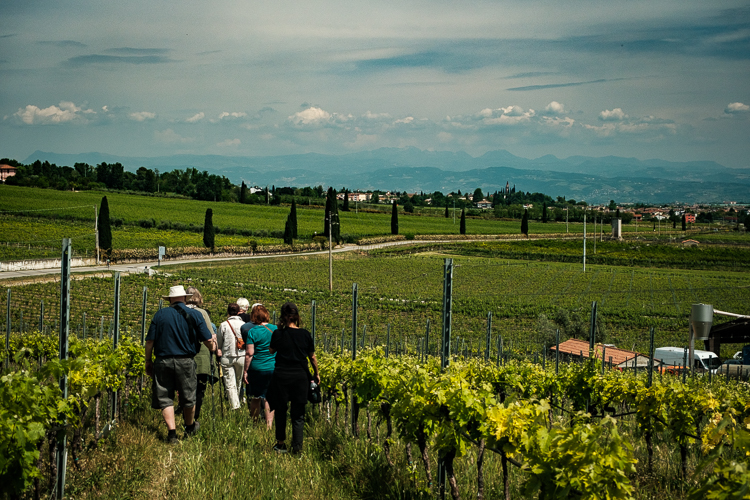
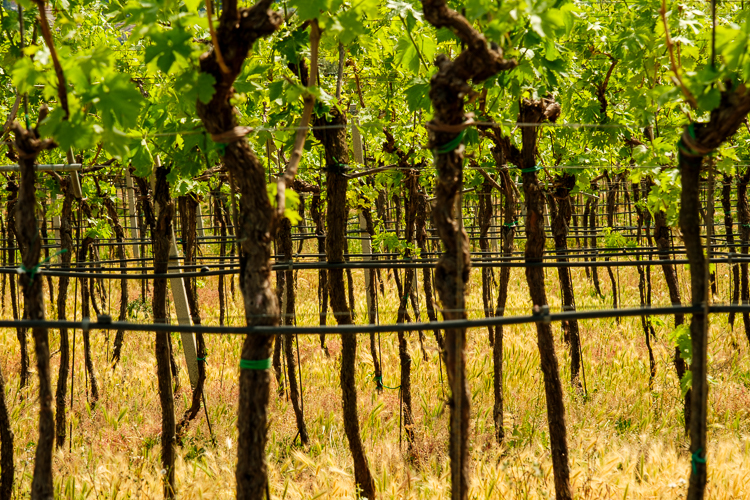
Then we are shown either the cellars or taken for a short walk in the vineyards while the talk continues. Climate change looms large on the agenda. Vignerons are farmers, and rising temperatures are alarming them and also causing them to plant grapes in new areas or in new ways. Frequently we saw weeds and even small trees in the vineyards, a method of holding water longer in the ground and shading fruit from too hot sunshine. We noticed bee hives and insect boxes to entice pollinators. All of the wineries we visited were committed to organic farming methods.
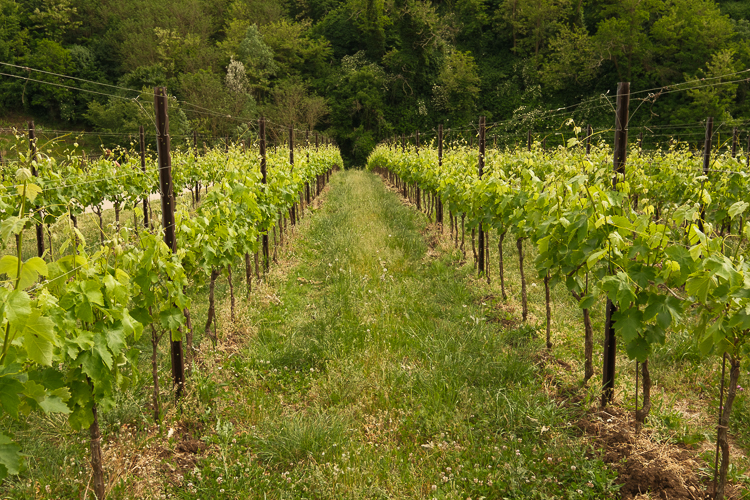
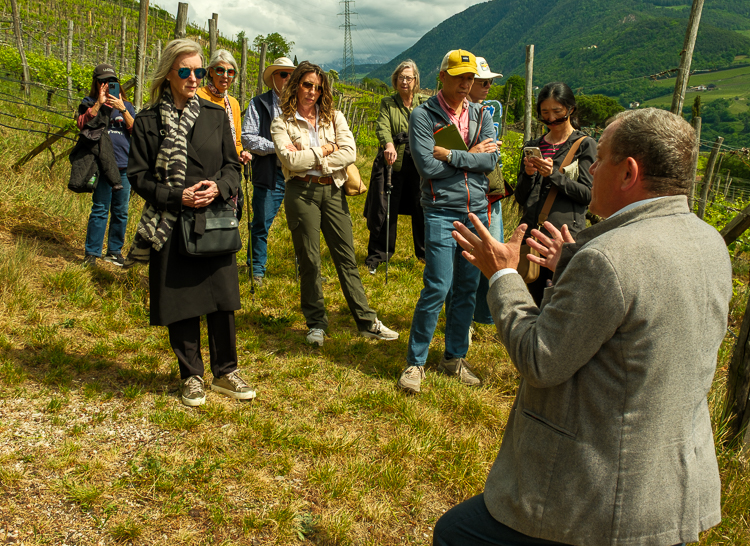
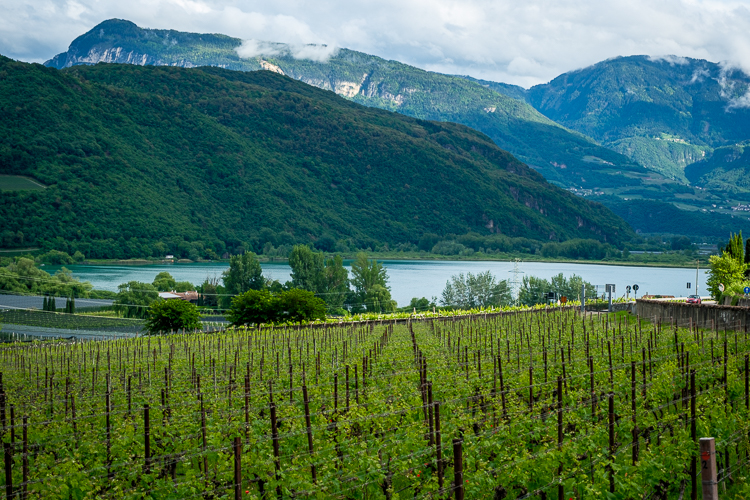
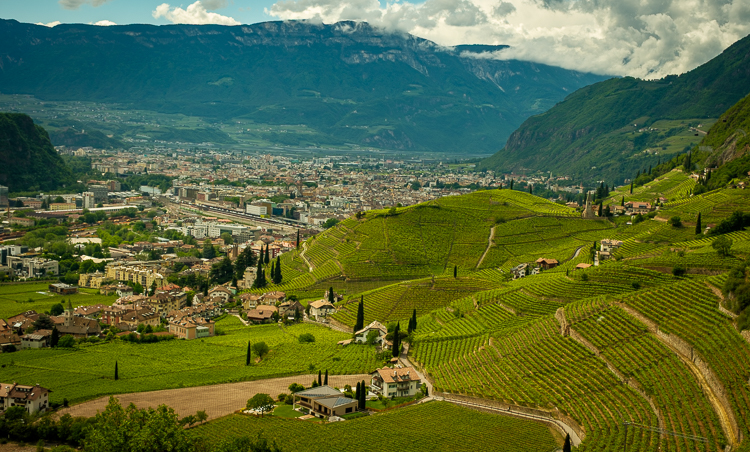
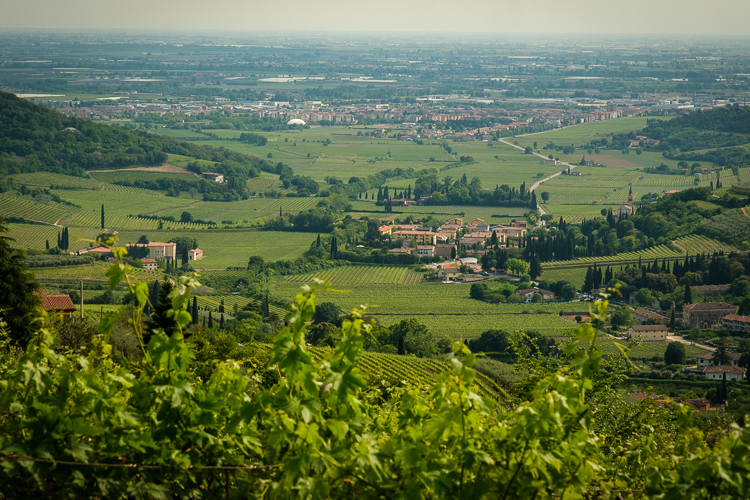
The vineyards are beautiful as are the surrounding hills. It is understandable why producers love their farms, the soil, the work, and the area. And also why many of the children return after university.
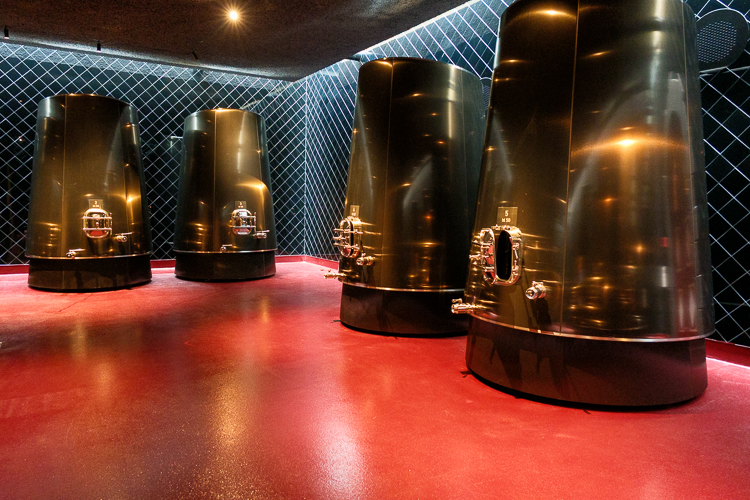
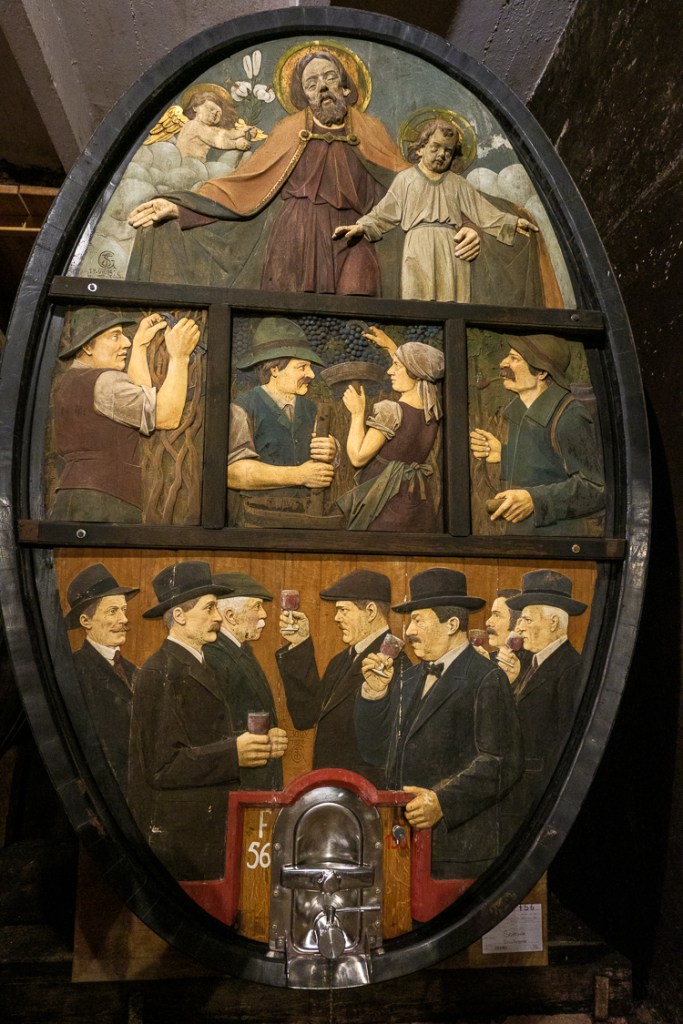
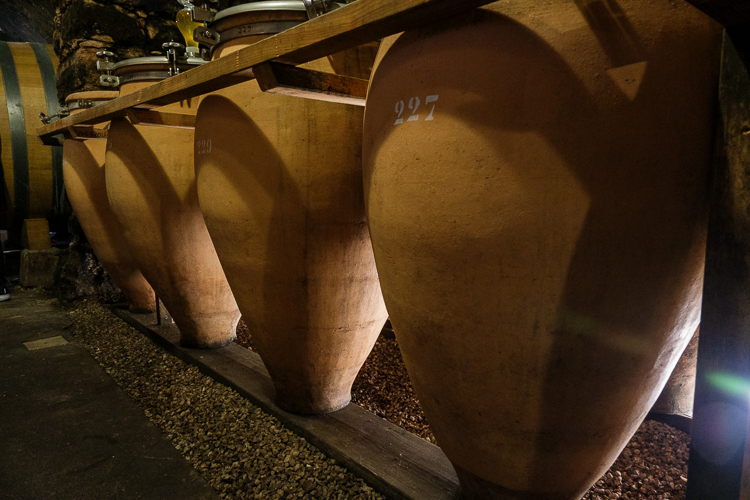
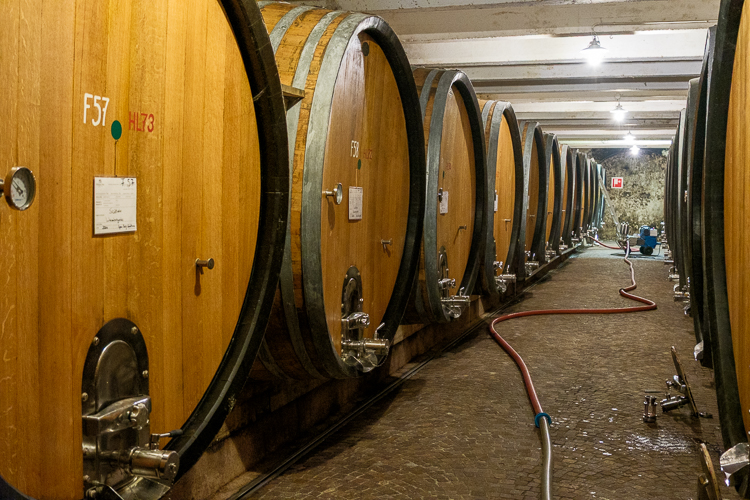
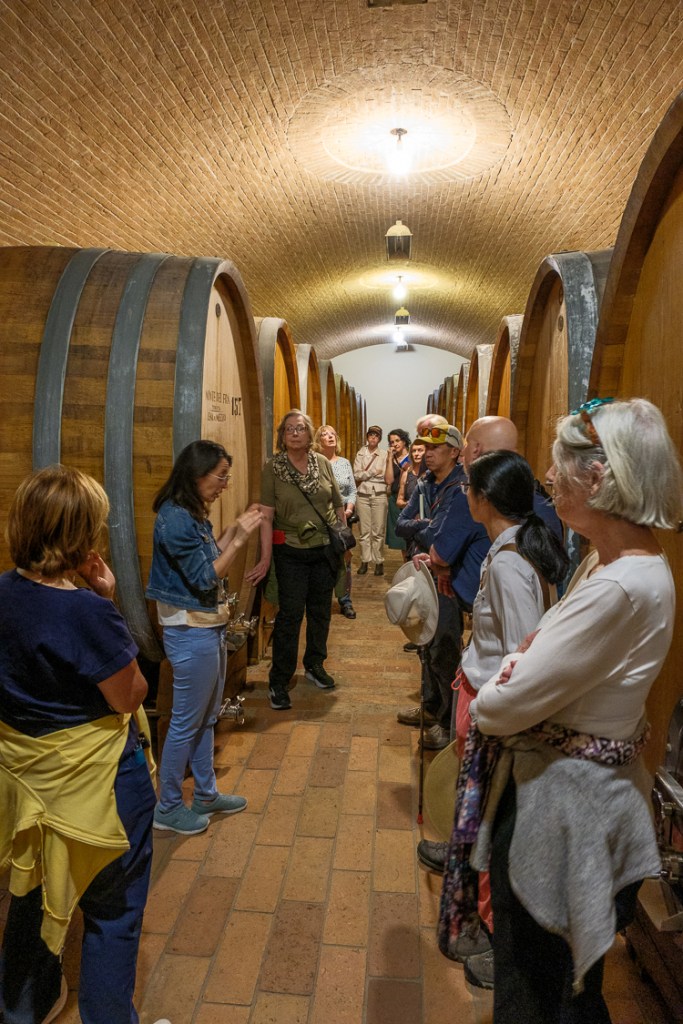
A tour of the cellars gives us an opportunity to walk up and down lots of stairs. We see amphora, stainless steel, wooden, and concrete containers for aging wine, and hear about which are used, when, and why.
After all the learning, walking, and standing about, we get what we came for: the drinking part of the visit. Each winery has a room dedicated to tastings. We often sit at a large table, each place set with glasses for wine and water. There are snacks of cheese and dry sausage, and taralli (crunchy rings of bread dough tasting much like bread sticks or grissini). We receive a list of the wines we’ll taste and an order form, just in case. The tasting is guided. Our host pours and discusses the wines, the grape or grapes they are made of, the length of time in the cask or casks, and suggests flavors we might find in the glass and food we would eat with the wine.
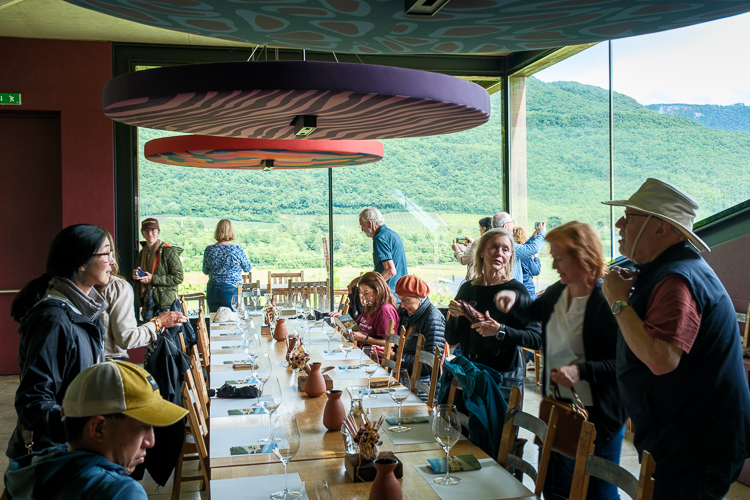
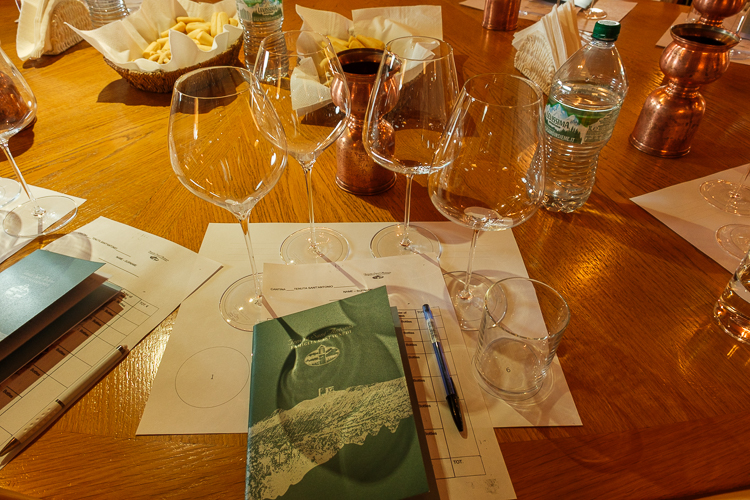
At Monte del Fra’, Silvia Bonobo, our guide for the vineyard and cellar tour, told us the winery has been in the family for three generations, but monks were growing grapes here for hundreds of years; the site was formerly a monastery, established in 1492. They now have 220 hectares, producing 1.5 million bottles a year, which are exported to 70 countries. We tasted six wines here, and made purchases to start our first case for shipping.
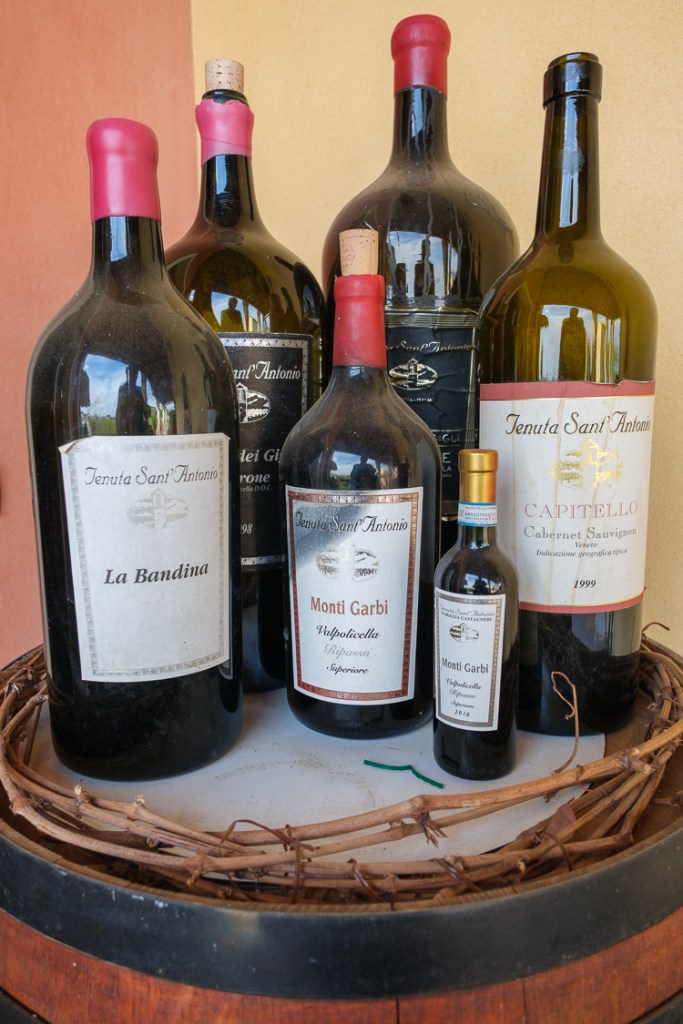
Our second winery of the day was Tenuta Sant’ Antonio, a relative newcomer as their first vintage is from 1995. We tasted six of their wines, but learned that their wines are more easily found in the U.S., so held off on adding to our shipment.
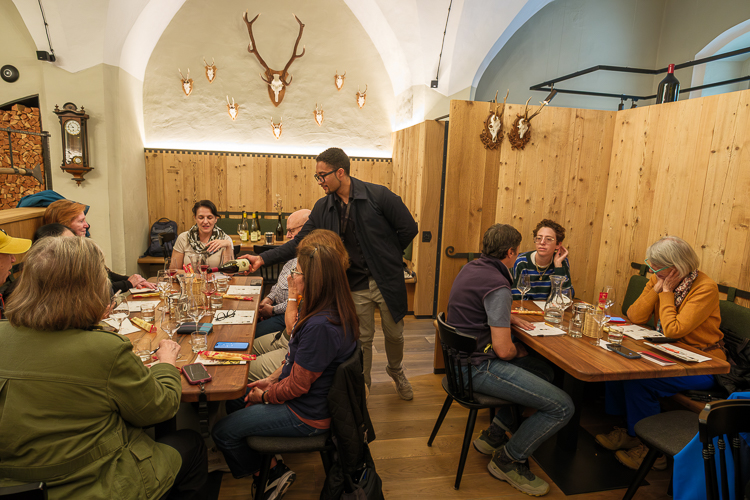
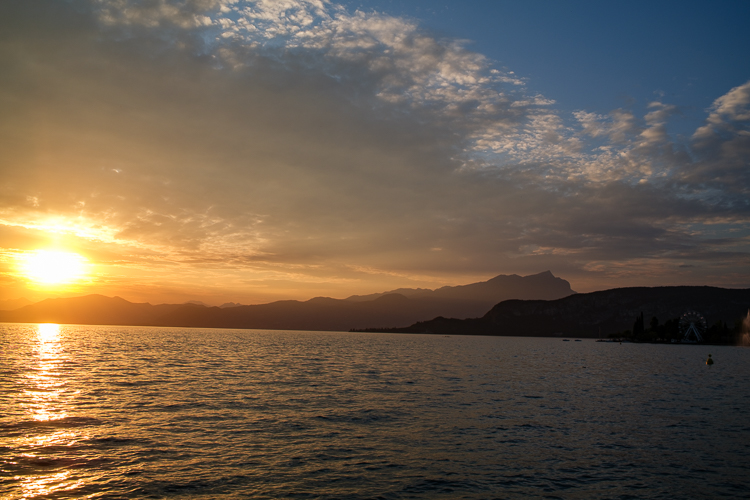
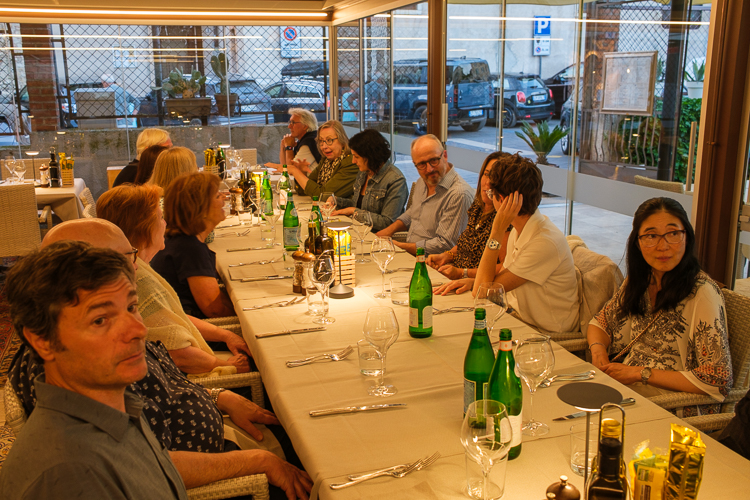
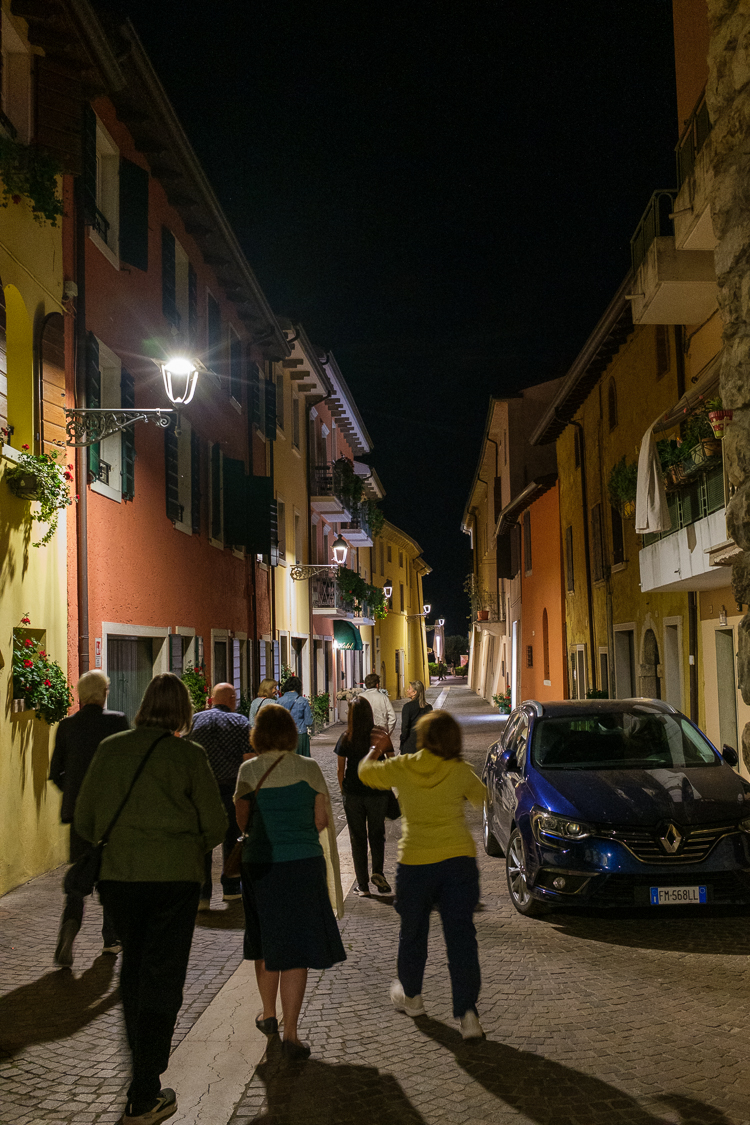
After our afternoon winery tour, the bus took us to Bordolino, on Lake Garda. Our hotel was across the street from the lake. After a brief rest, the group walked a few blocks to Trattoria Al Commercio, where we had dinner and more wine. It was a very pleasant evening in a beautiful spot.
 Keeping up with Pat and Maurice