Bordeaux and wine go way back. The Romans conquered the city in the 1st century BCE, and it was probably around then that the first vineyards were planted.
Burdigala, as the Romans called it, became an important trading post for the Roman Empire, and one of the richest cities in Roman Gaul. Today, however, there are few traces of those glorious days.
On Thursday, we walked across the Jardin Public to what remains of a Roman amphitheater that once seated 22,000 people. All that remains of the Pallais Gaillien are a bit of wall and some arches. The ruins currently are in a small park in a residential neighborhood.


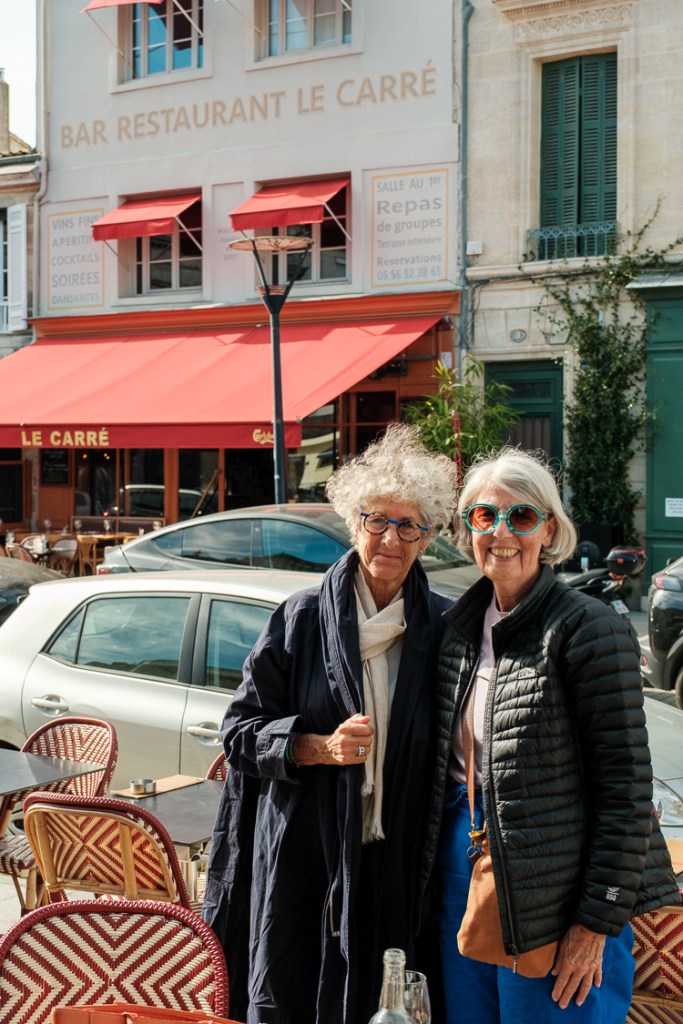
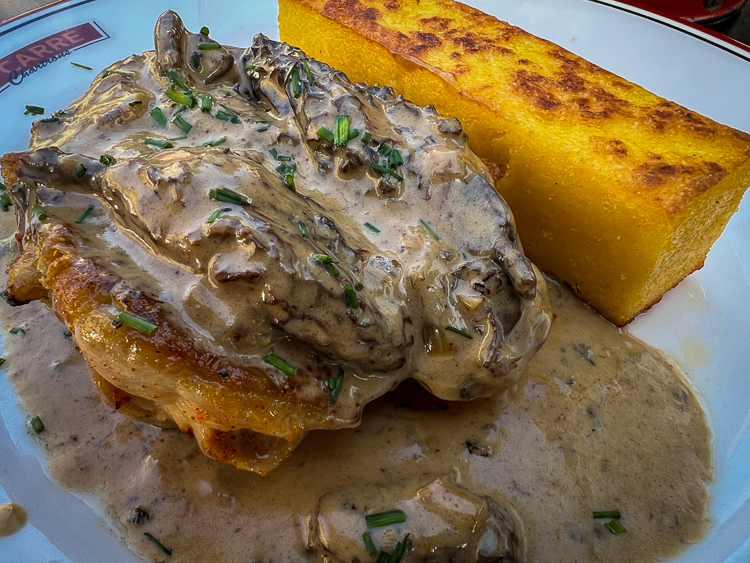
Véronique, our guide for the Gascony tour, introduced us to a friend of hers, Kim, also a guide. After walking around the ruins of the amphitheater, we went to meet Kim for lunch at Le Carré, not far from our apartment. She had been guiding a group on a tour of Bordeaux’s markets when she and her group were blocked by a crowd of several thousand people demonstrating against a government proposal to do away with two of the many holidays the French enjoy each year. The group nearly missed their cruise ship’s departure, and Kim almost missed lunch with us.
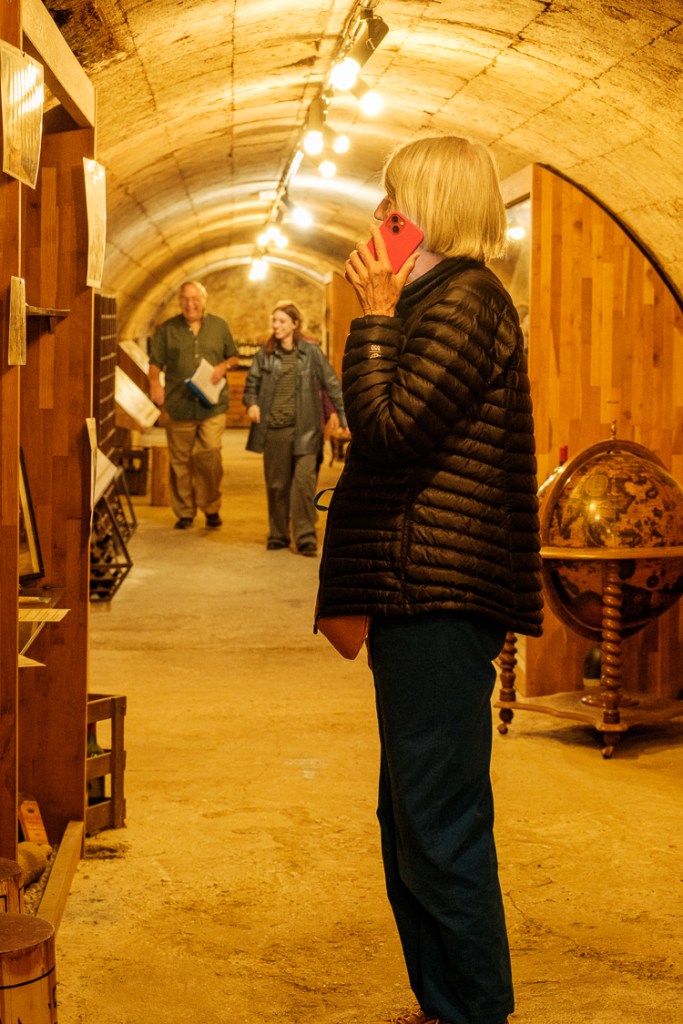
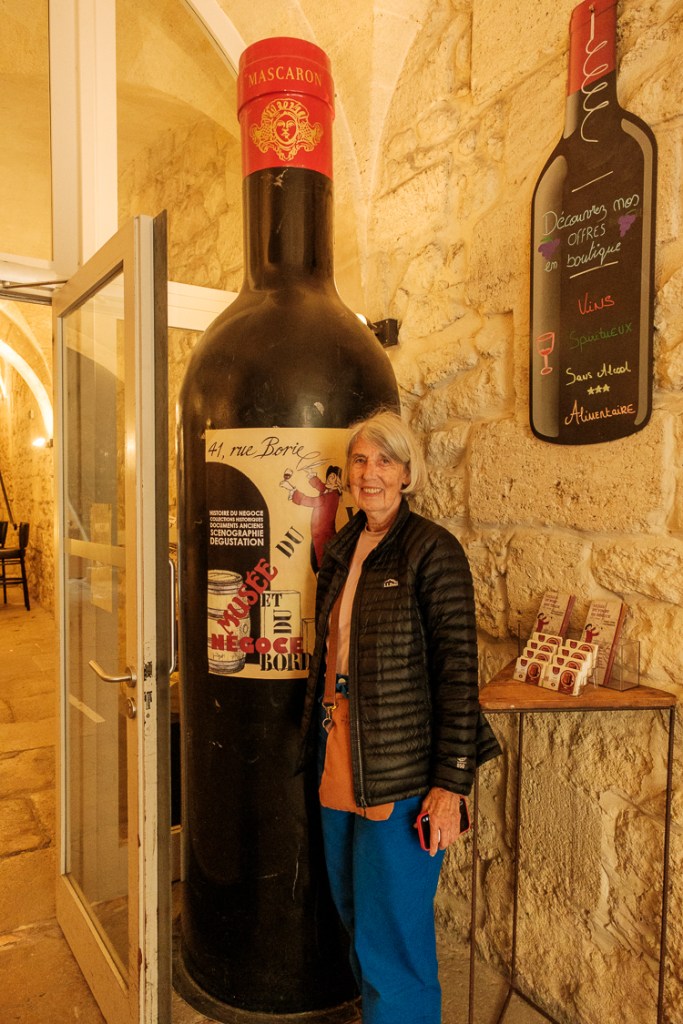
On Kim’s recommendation, we visited the Musée du Vin et du Négoce, housed in a building that once belonged to Louis XV’s broker. The small museum presents a manageable history of Bordeaux and its wine business and, frankly, we enjoyed our visit to this museum more than our afternoon spent in the Cité du Vin. The visit includes a discussion of two of the region’s wines, with a tasting. This afternoon, the tasting included a Claret — an aperitif wine that is produced is such small quantities that it is rare to find it in Paris, let alone in export markets abroad. Nearly all of its production is consumed locally.

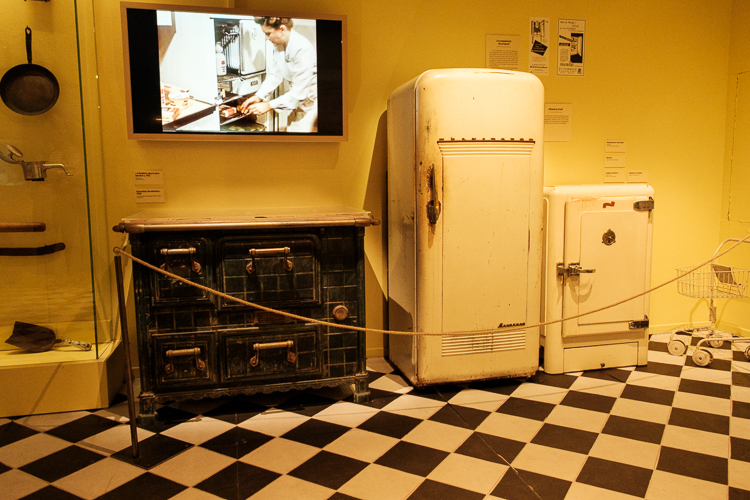
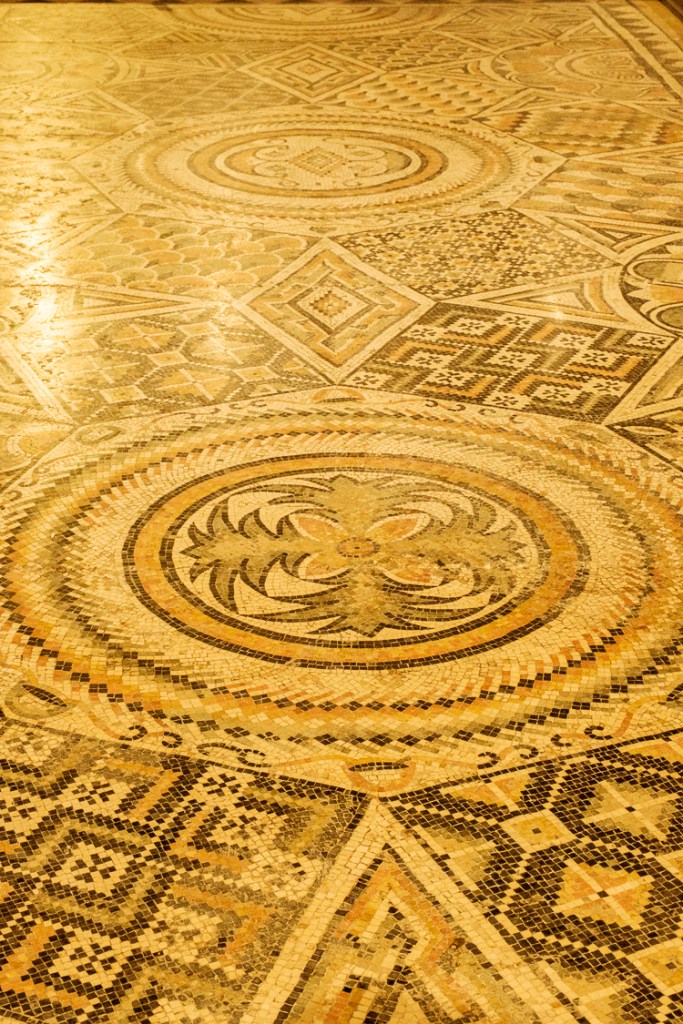
We spent Friday afternoon at the Musée d’Aquitaine, Bordeaux’s history museum. We could have spent a couple of days in this huge museum. After seeing a temporary exhibit on life in Bordeaux after World War II, we breezed through rooms with exhibits on Bordeaux’s pre-history, and got as far as the museum’s extensive collection of Roman sculptures and artifacts before the end of the day.
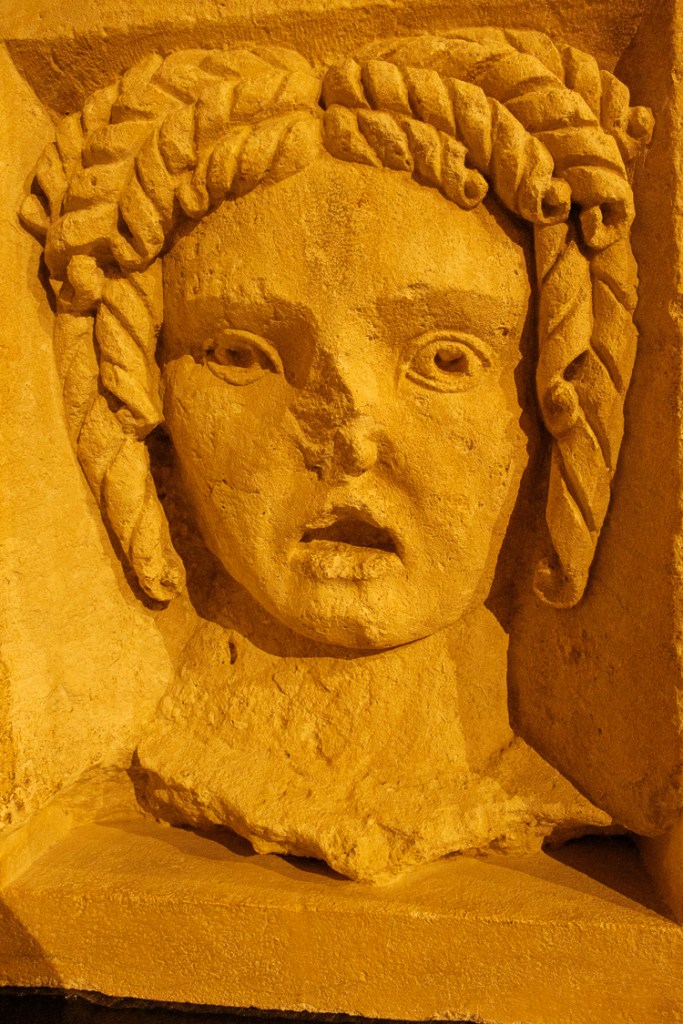
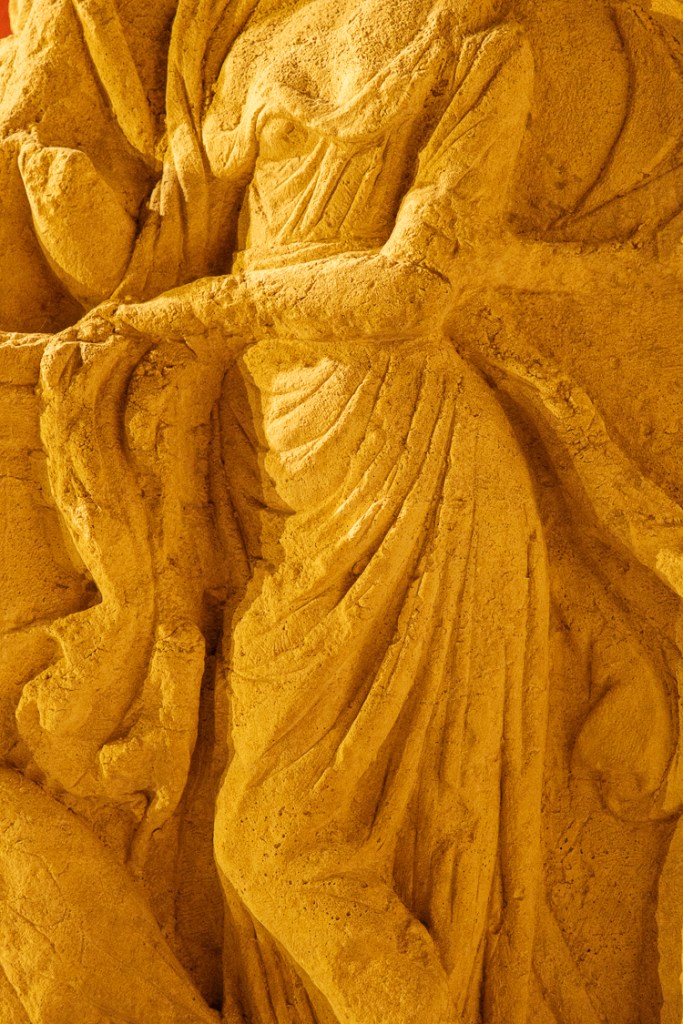

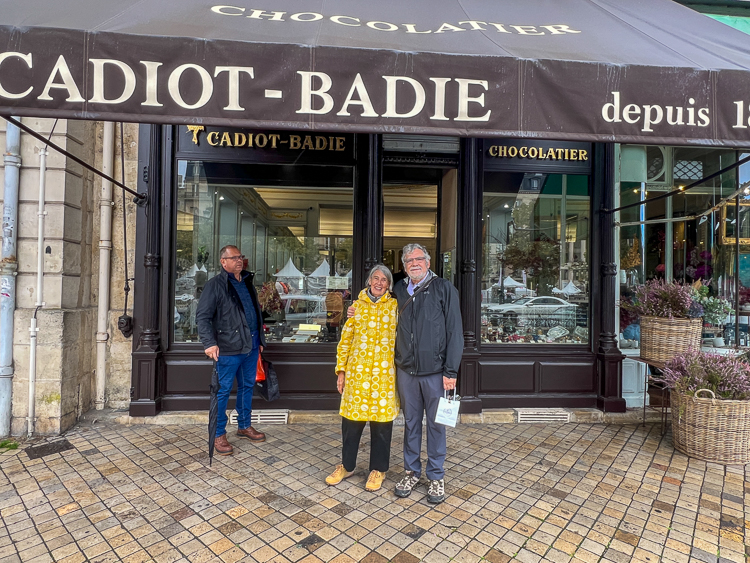
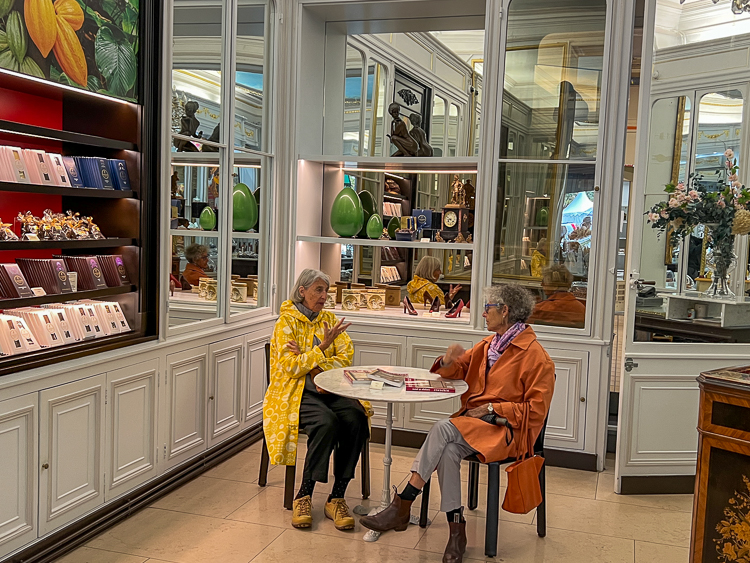
Saturday afternoon we spent with Kim. She wanted to check out a festival of independent winemakers that was taking place in the Allées de Tourny, in a district known for its boutique shops. We stopped at a popular chocolate shop, Cadiot-Badie, in business since 1826.
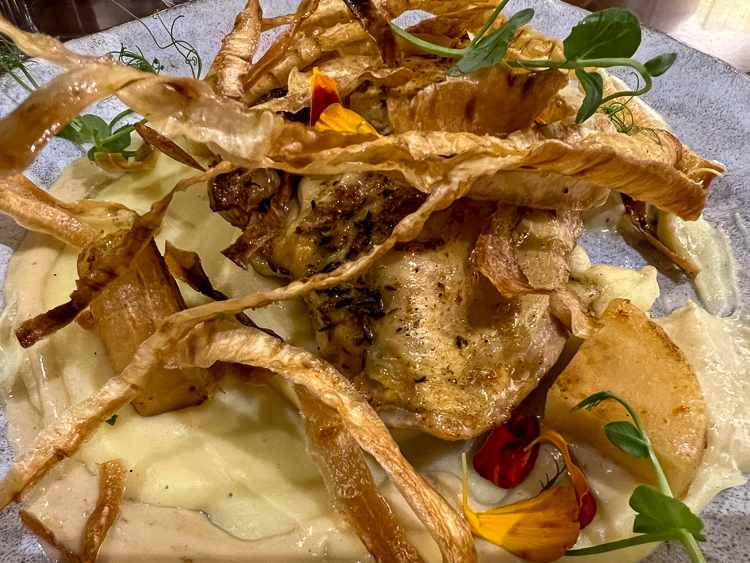
Véronique (from the Gascony tour) was guiding a new group, focusing on Bordeaux. There were only three on this tour — a man from Colorado, a woman from Vancouver, BC, and a woman from Connecticut — all veterans of tours by Ariane and Véronique. We were invited to join this group for their welcome dinner at Le Comptoir de Sèze. The main course for me: Chicken in foie gras sauce, with strips of crispy parsnips. Mmmmm.
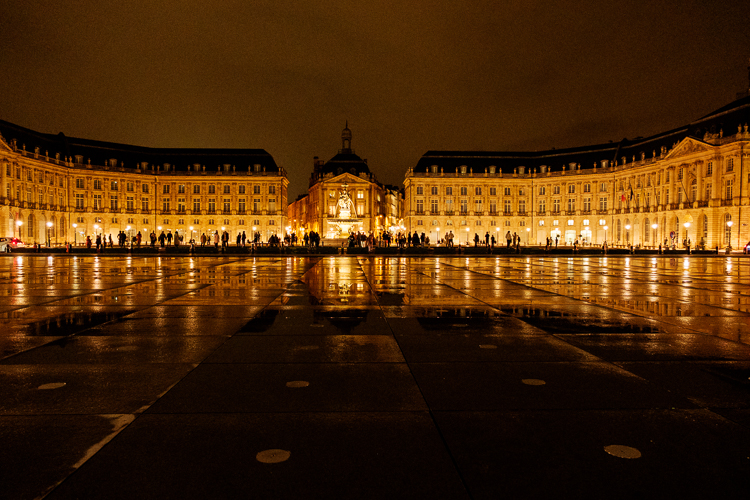
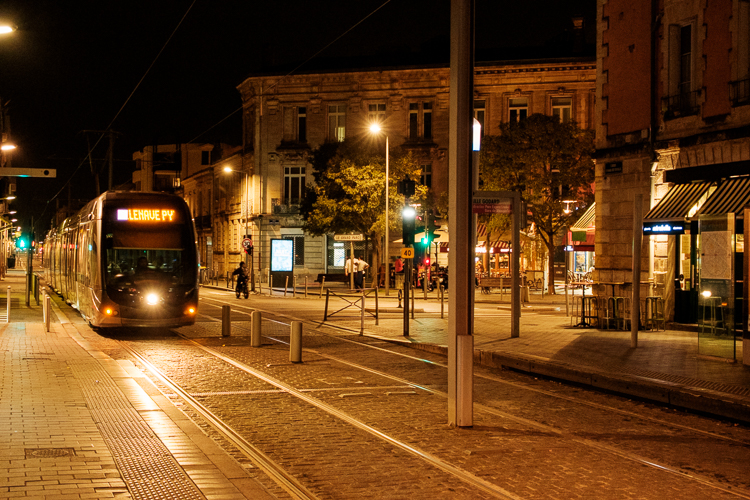
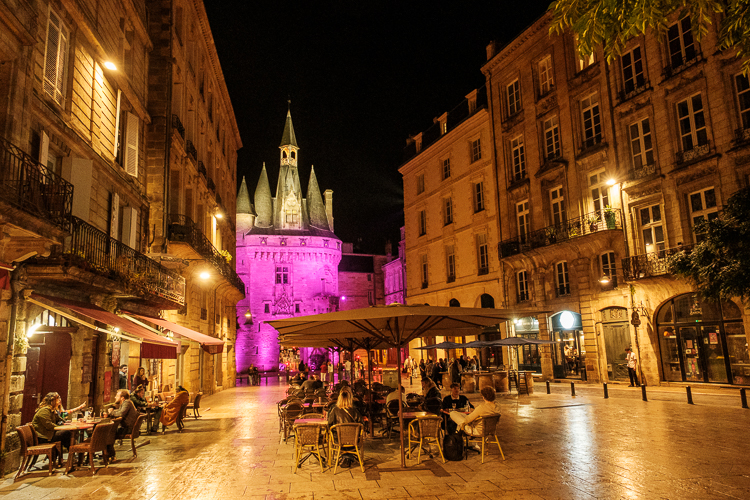
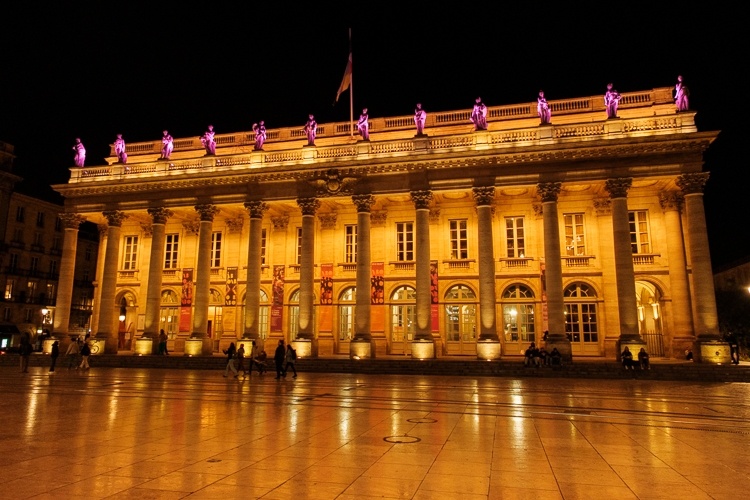
After dinner, Pat and I returned to our apartment, and I went out again to take pictures of some of Bordeaux’s historic buildings and lively Friday night street scene.




 Keeping up with Pat and Maurice
The crispy strips of parsnips looked delicious. I’ll have to try peeling them that way when roasting vegetables.
LikeLike
The pic of your dinner @ Le Comptoir de Seze had me gasping at the gorgeous sight of strips of crispy parsnips. I was brought up with my Bubbie’s chicken soup (that I made last night) with its boring (yet delicious) boiled parsnips. The very look and idea of strips of crispy parsnips laying next to Chicken in foie gras sauce totally set me off – merci beaucoup!
LikeLike