
Abrigo Giovanni
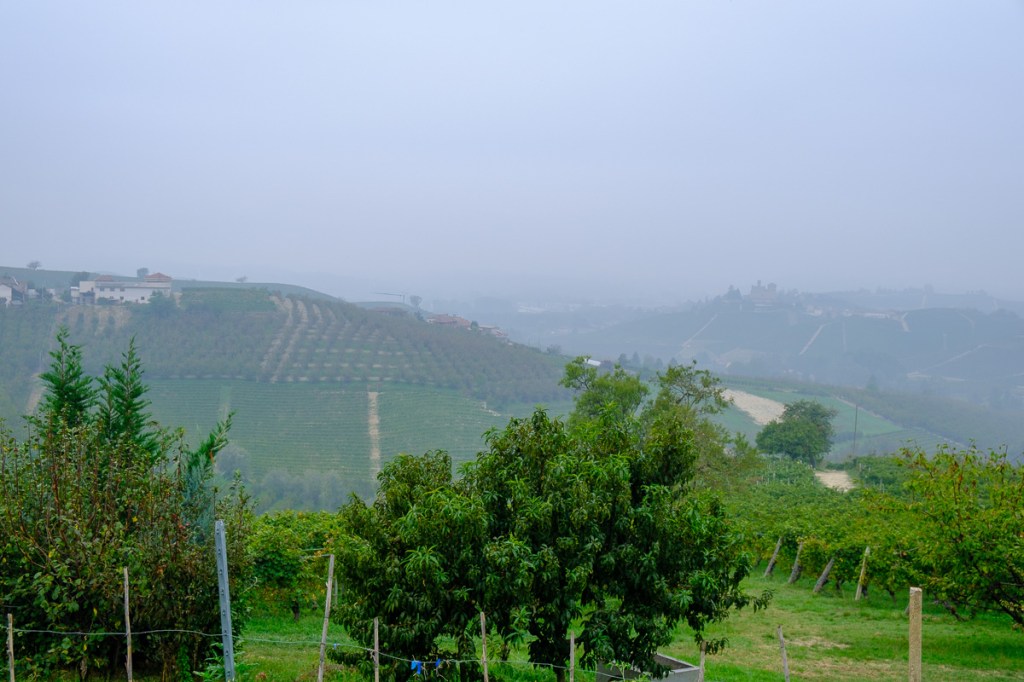
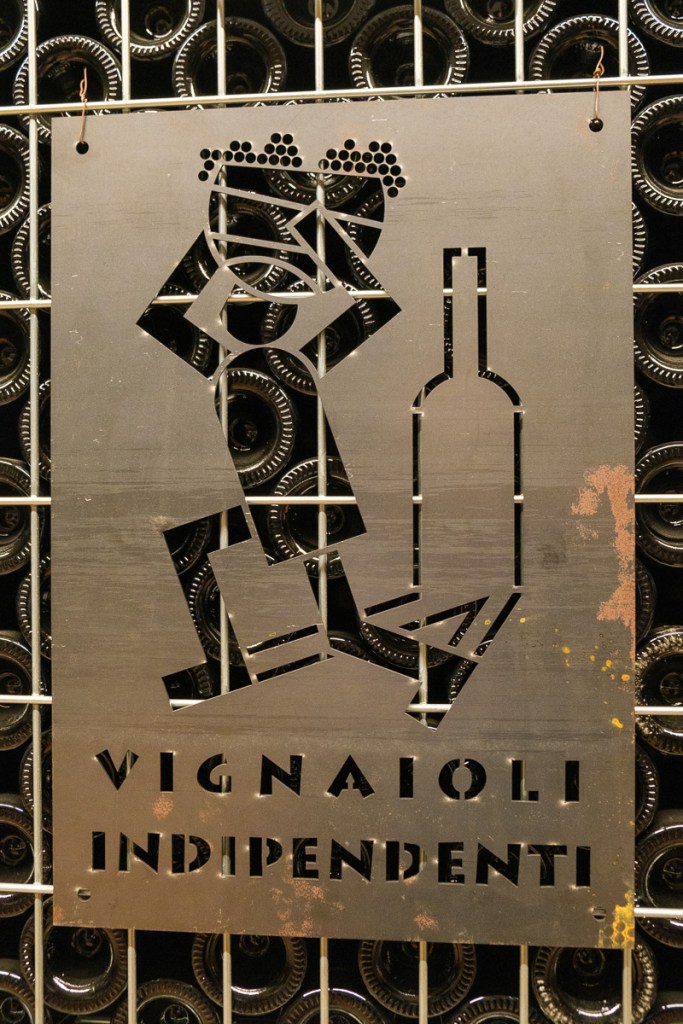
Our goal for this morning was a visit to Abrigo Giovanni, a winery in the area of Diano d’Alba, one of the 11 Barolo hamlets. But we weren’t here for the Barolo. This is a winery known for its Dolcetto, another grape native to Piedmont. Dolcetto grows on higher slopes, and in poorer soils, so it is not competing with other grapes. Dolcetto had been known as wine for the workers. A bottle of the wine won’t fetch as much as the more prestigious Barolo. And yet, it is harder to grow. It’s more susceptible to mildew in wet years. It spoils more easily in the cellar. The vines need more maintenance, as they tend to grow down, and need to be tied up to keep them off the ground.
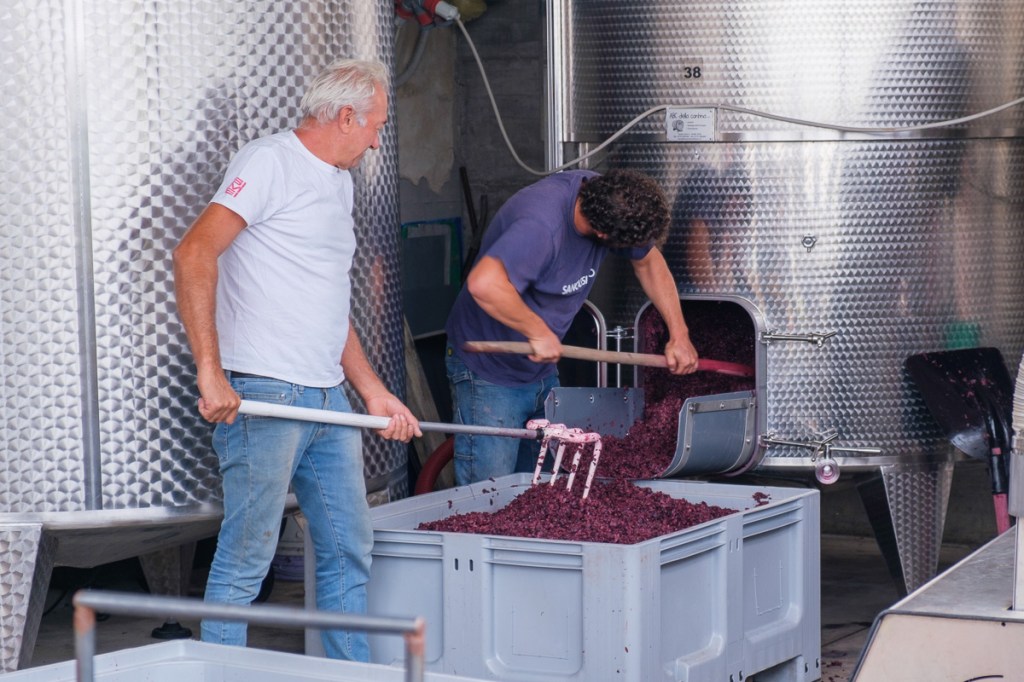
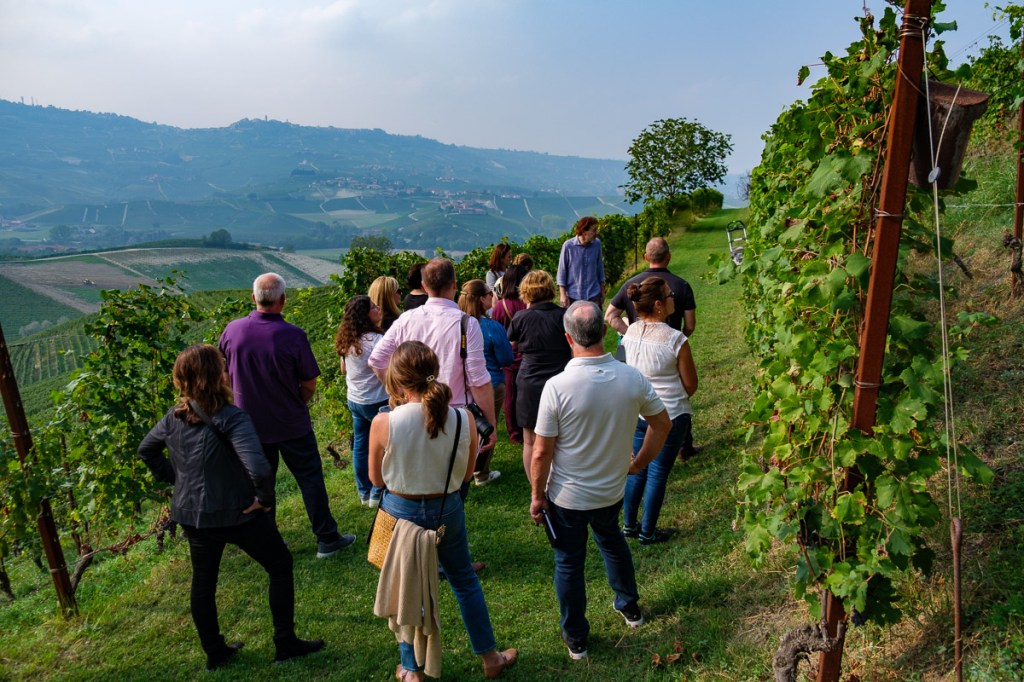
We learned these facts and more on our tour of the vineyard, led by Julio, the grandson of the founder, Giovanni Abrigo, who purchased the land in 1968. He explained the trimming process, which begins in January and is meant to have the vines grow laterally on the wires. Lower lateral growth is trimmed; higher leaves provide shade for the grapes on the hot dry summer days when the grapes might, as some did this year, burn. The Dolcetto grape harvest (in mid-September, earlier than other grapes), was done by the time of our tour. The winery also grows other Piedmont grapes, Favorita and Arneis (whites) and Barbera and Nebbiolo (reds). In addition — as is the case for other wineries we visited — they grow hazelnuts.
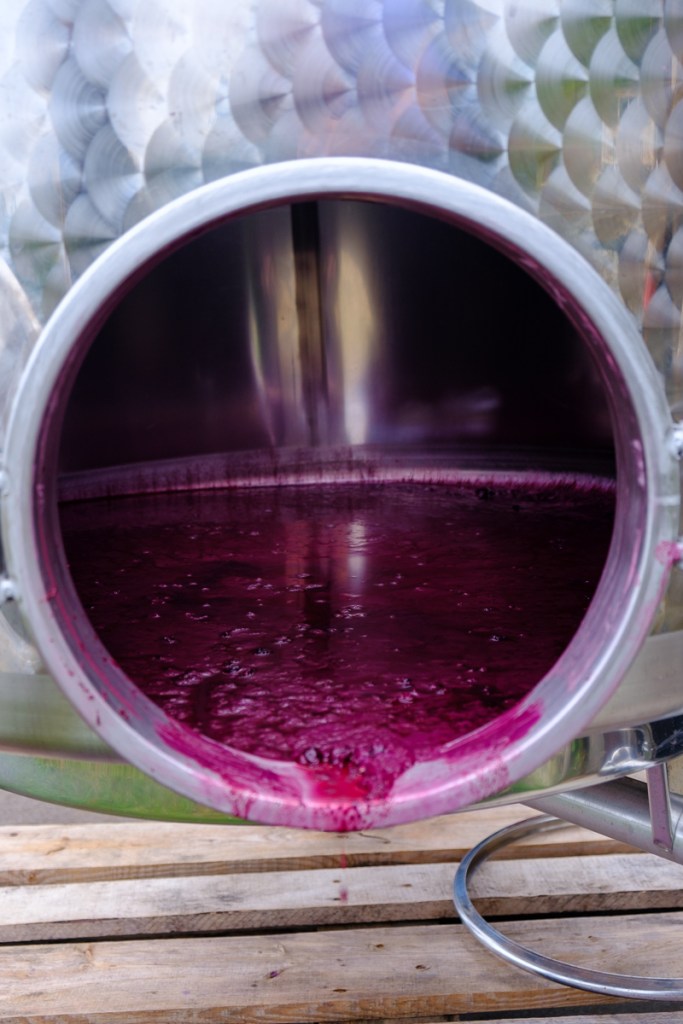
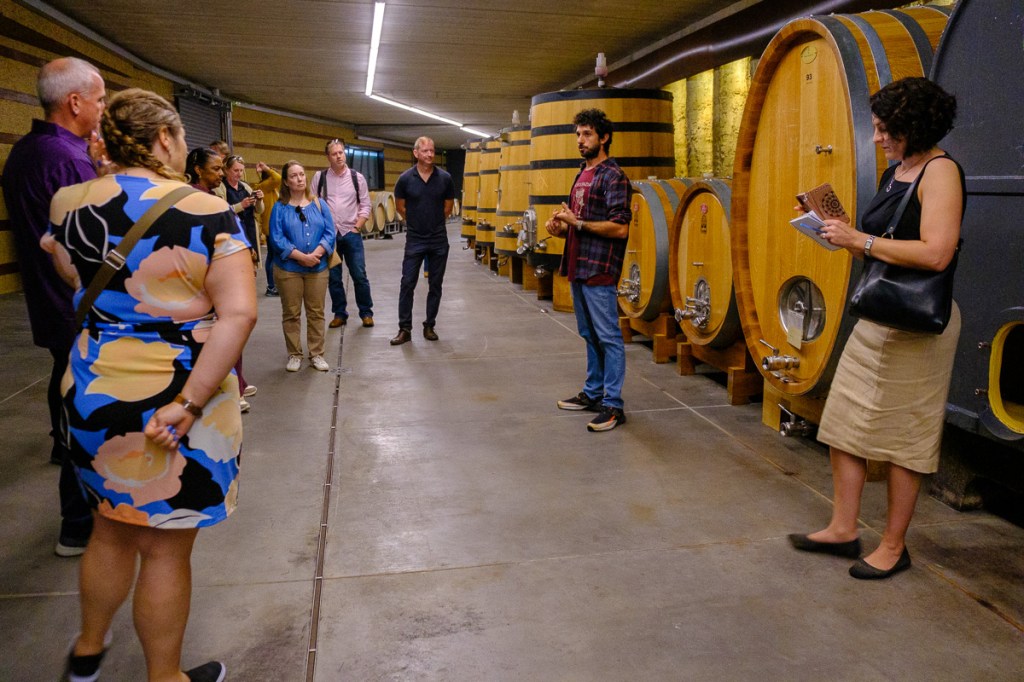
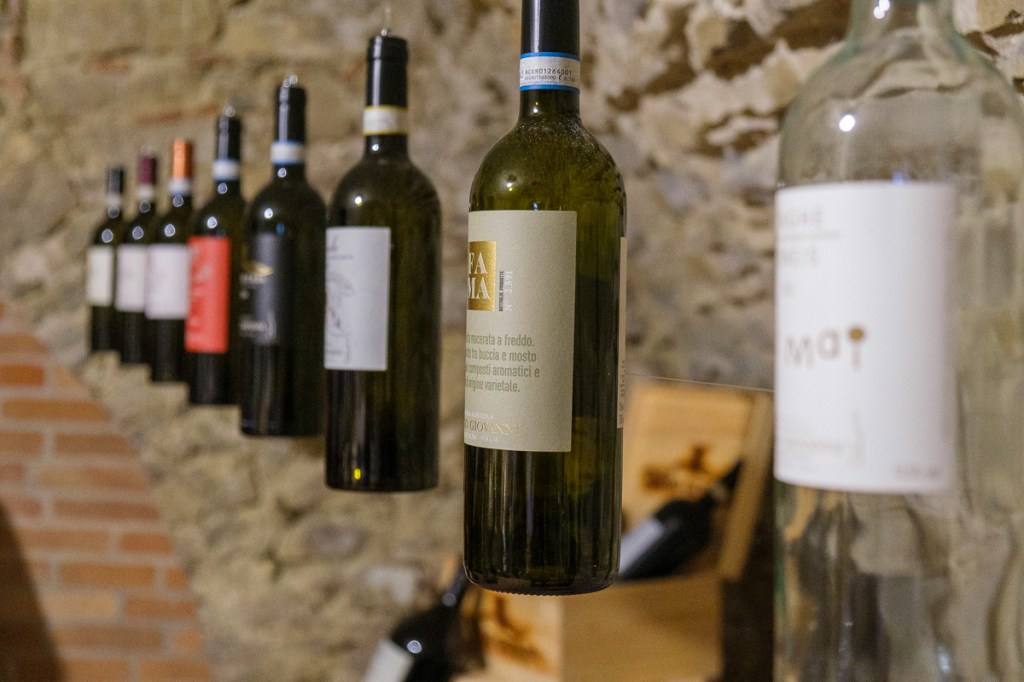
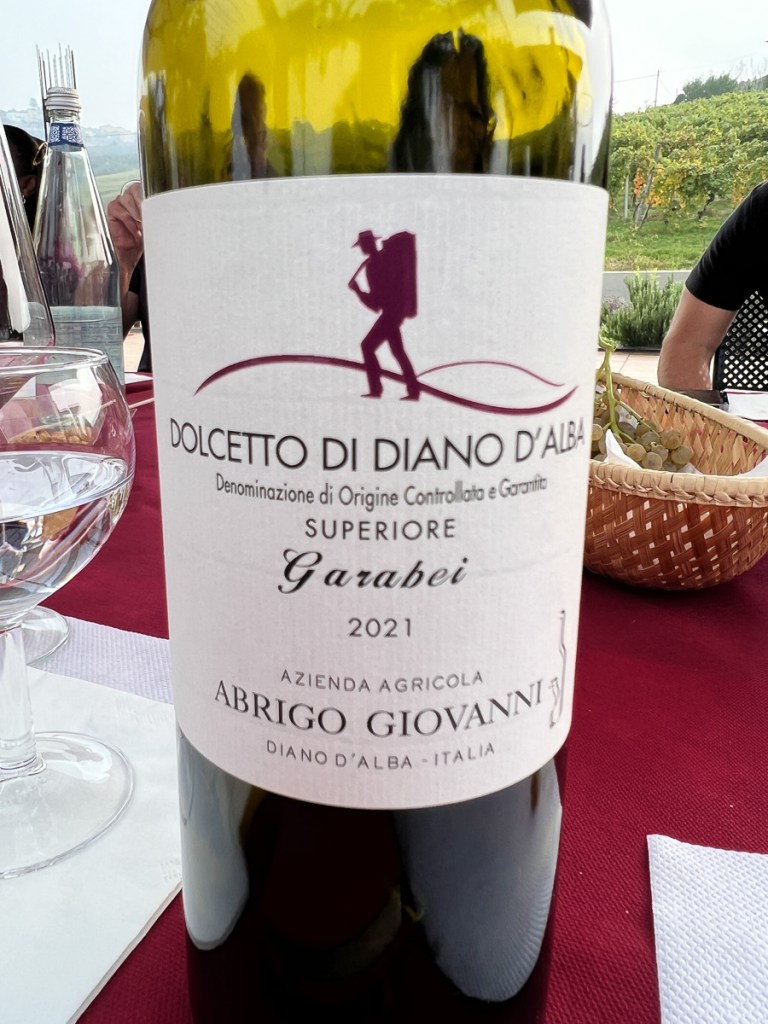
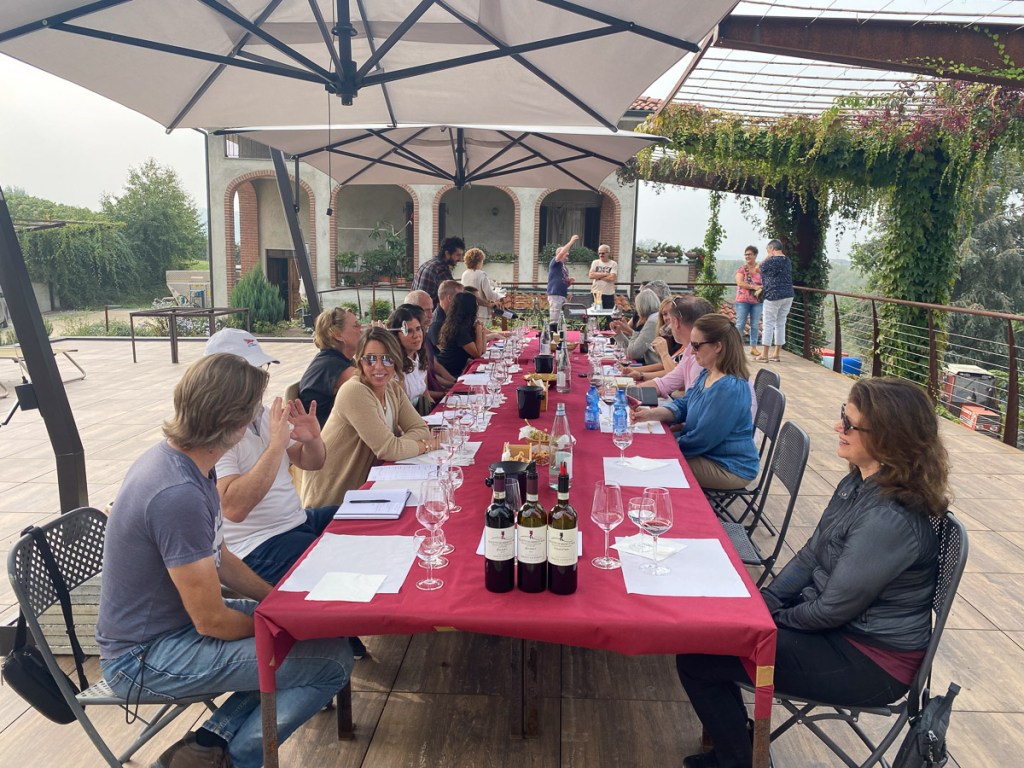
After the vineyard tour, we roamed through the relatively new cellars, completed in 2019, and then got down to business: another tasting. We tasted three Dolcettos, and bought a half case of the Dolcetto Di Diano D’Alba Superiore 2021 (plus some hazelnuts).

After lunch (and more wine) at Unione Agricola Vinera in Diano d’Alba, we were off to our afternoon tour and tasting.
Cavallotto
The Cavallotto winery, founded in 1928, is composed of 25 hectares (61 acres) of vineyards, 70 percent of which is planted with Nebbiolo grapes for making Barolo. They also grow Dolcetto, Barbera, and a mix of Freisa, Pinot Noir, Chardonnay and Grignolino. In recent years, a virus transmitted by insects had infected the Chardonnay grapes, and at the time of our visit, they had ripped out their Chardonnay vines. Now they are beginning to see the virus in Barbera vines. Their commitment to organic methods complicates their ability to control the spread of this virus.
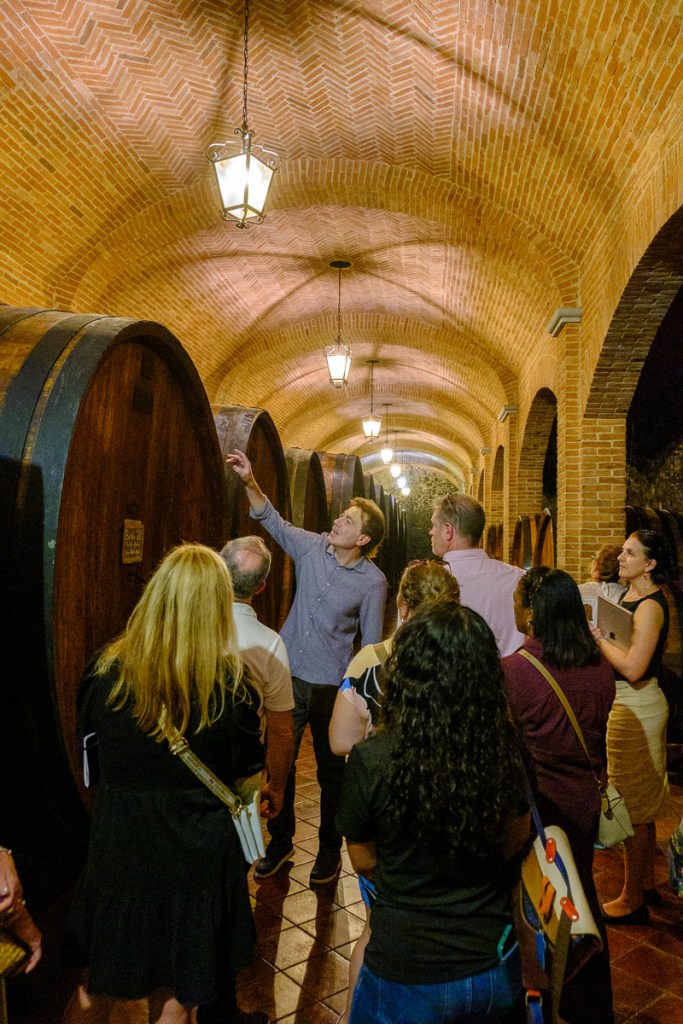
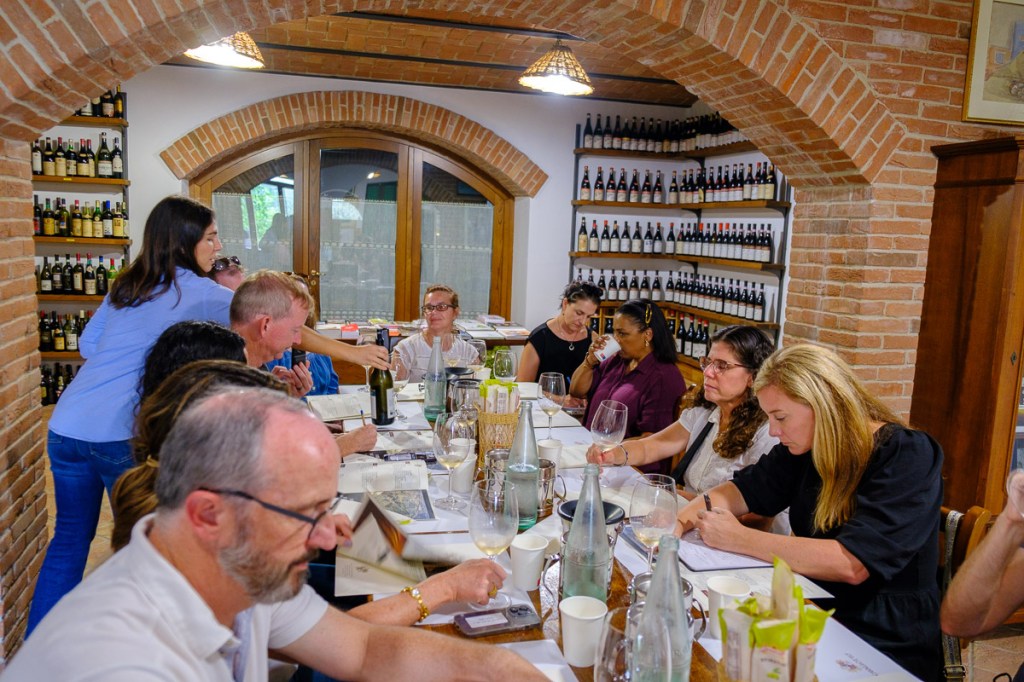
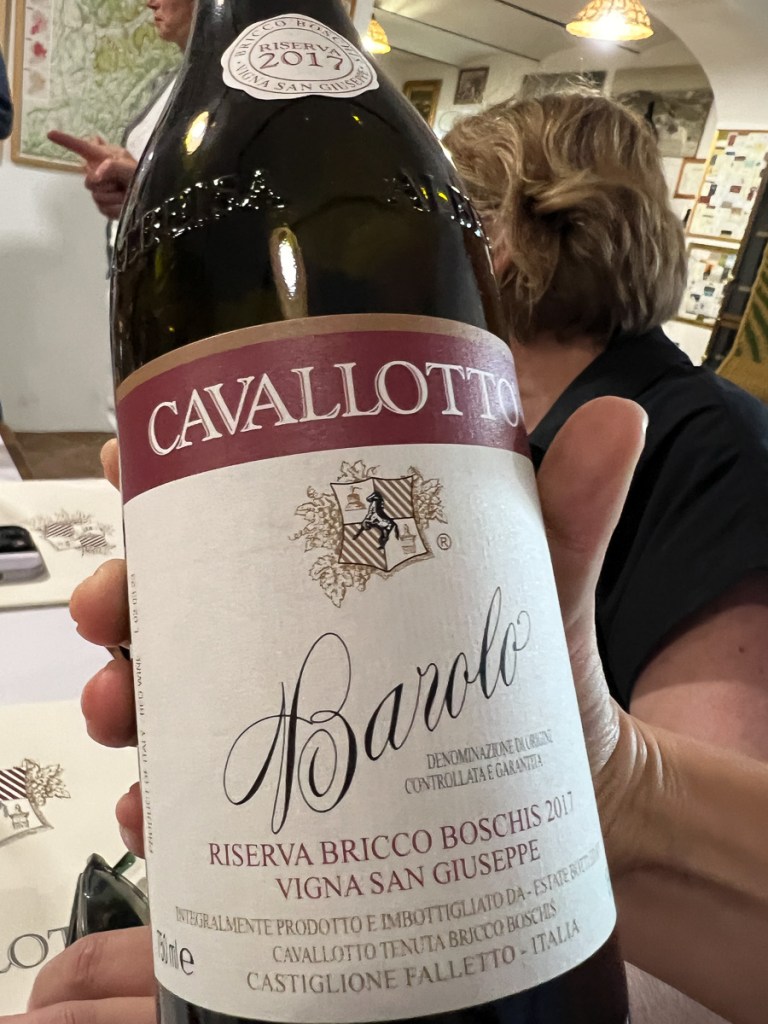
Our routine here was the same: a walk in the vineyard, a tour of the cellars, and a tasting. At this winery, we tasted seven wines, including “Pinner,” a white wine made from Pinot Noir grapes, a Freisa (another Piedmont-native grape), a Barbera d’Alba, Langhe Nebbiolo, and three Barolos.


Alba
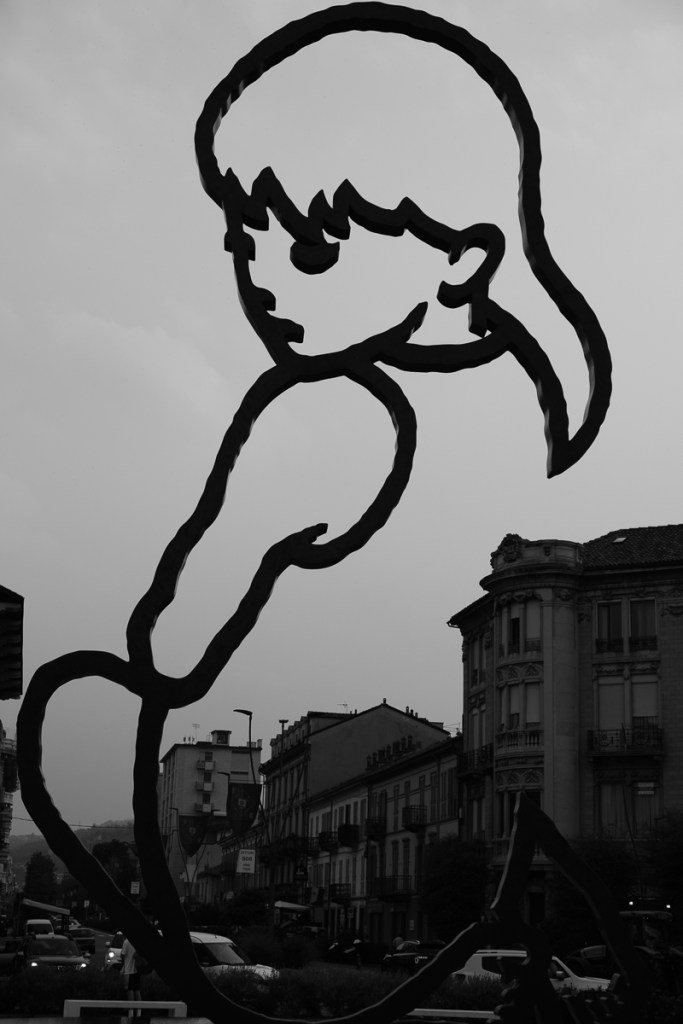
After our tasting at Cavallotto, we were transported back to our hotel in Alba, and for those who were up for it, a walking tour of the town led by a local guide. One of the main squares, Ferraro Square, features a new sculpture, titled “Sunrise” (the Italian translation of the town’s name). The sculptor, Alba native Valerio Berruti, chose the girl figure from a typical character in the writing of Italian author Beppe Fenoglio (also from the Alba area) – “Langhe’s girl,” a young girl with a “shy and bashful pose.” (Alba is the capital of the Langhe region.) I loved this sculpture, as most of it was empty space, and in my viewing was filled in by the sky behind it.

 Keeping up with Pat and Maurice
I also love the sculpture of the girl in Alba. So “alba” means sunrise? Day 5 looks like an interesting wine tasting day. The wine virus sounds dangerous, that it can spread to other grape varieties, what a challenge for the vineyard managers. Thanks for posting. Helen
>
LikeLike