
A note to subscribers: If you are reading this on email, note that slide shows embedded in web versions of these posts do not function, but the email extracts images from the slide show. It’s better to view these on the web.
After our stay in Monreale, our next destination was Agrigento, which in the 5th century BC was the third most populous city in the Greek world. (Population 200,000 — more than 3 times today’s population.) On the advice of the woman at Hertz who rented us our car, we made a detour to Piana delgi Albanesi, founded by Albanian refugees who fled their homeland in the Balkans when it was conquered in the 15th century by the Ottoman Empire. They have maintained their language and traditions ever since, and are a protected language minority in Italy. Today signs and government documents are in Italian and Albanian.
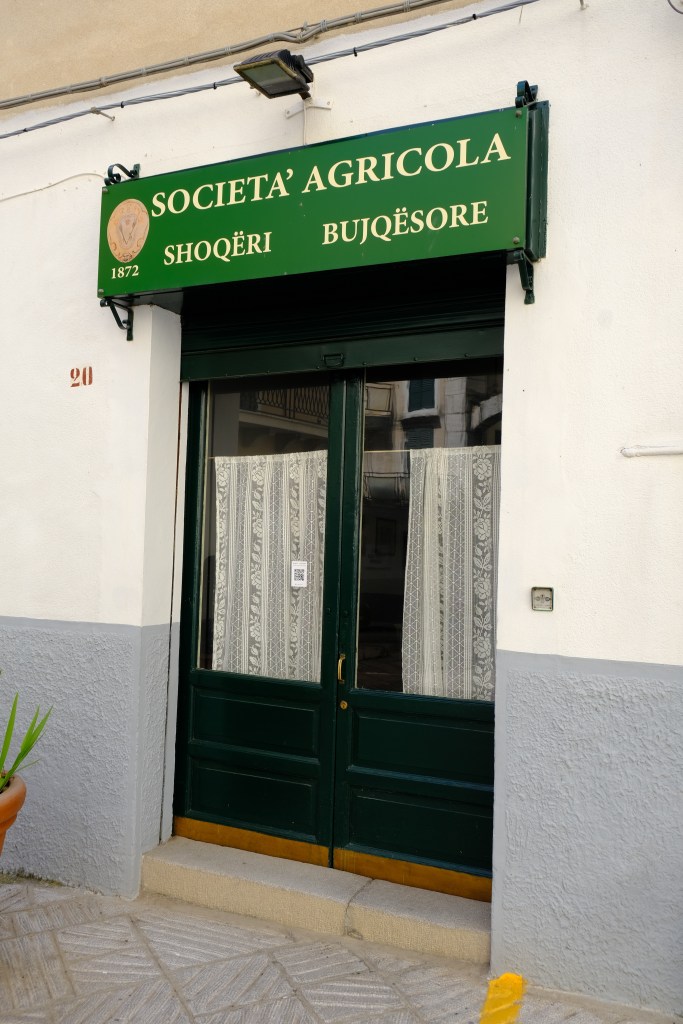
Unfortunately, the restaurant we were told to visit was closed, and so was the museum. But we did have awesome cannoli, a specialty of the town.

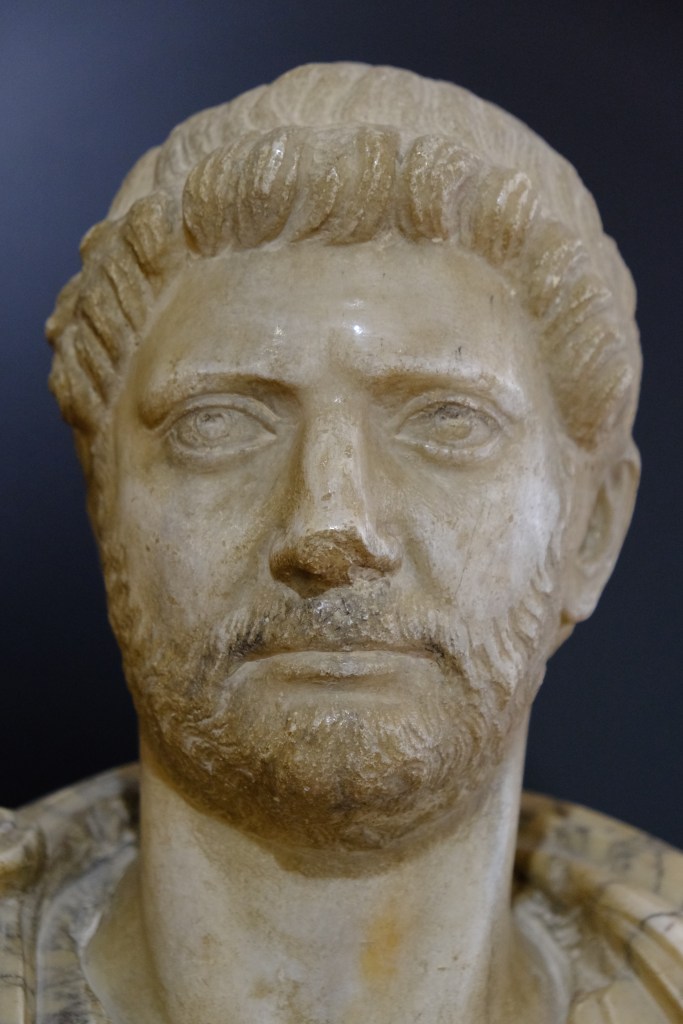
The main focus of our first day in Agrigento was the archeological museum, with its large collection of artifacts from pre-Greek times through the Roman era. Most of the items were recovered from in and around the Valley of the Temples, the string of temples built in the 5th century BC, at the peak of Greek civilization in Akragas (as the town was called by the Greeks). There were many beautifully preserved objects, large and small, from 2,000 years ago and more. Well worth seeing if you visit Agrigento.

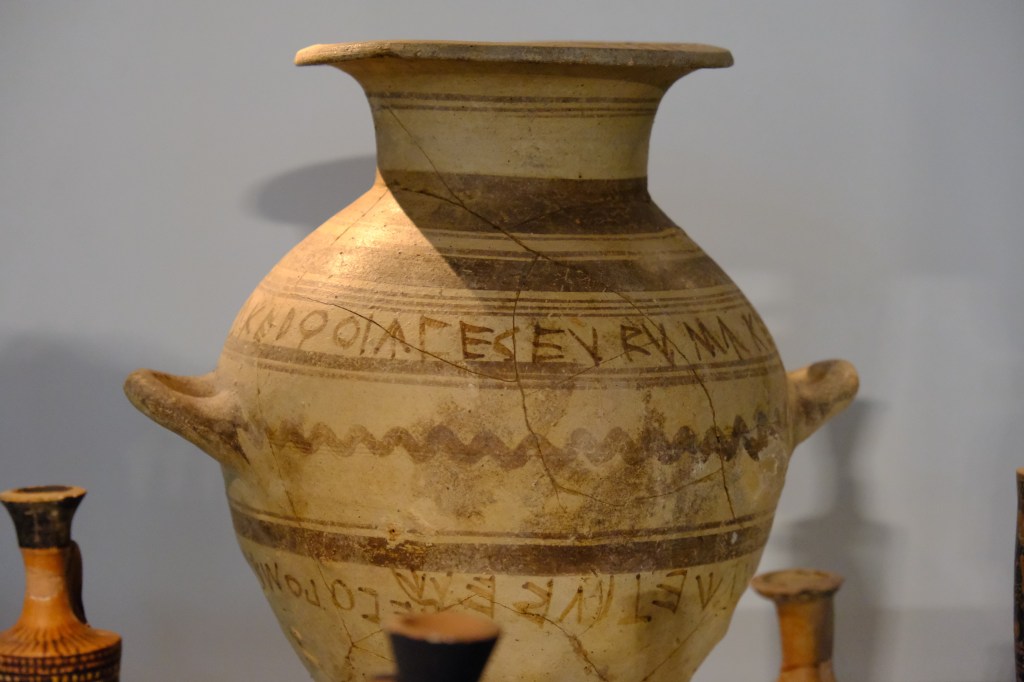
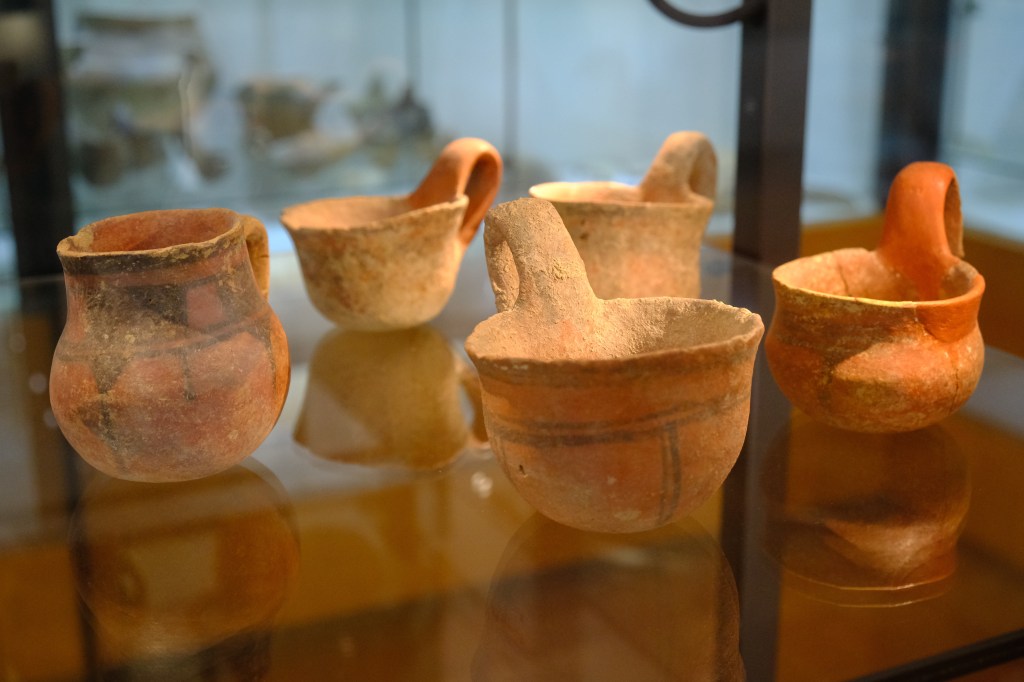


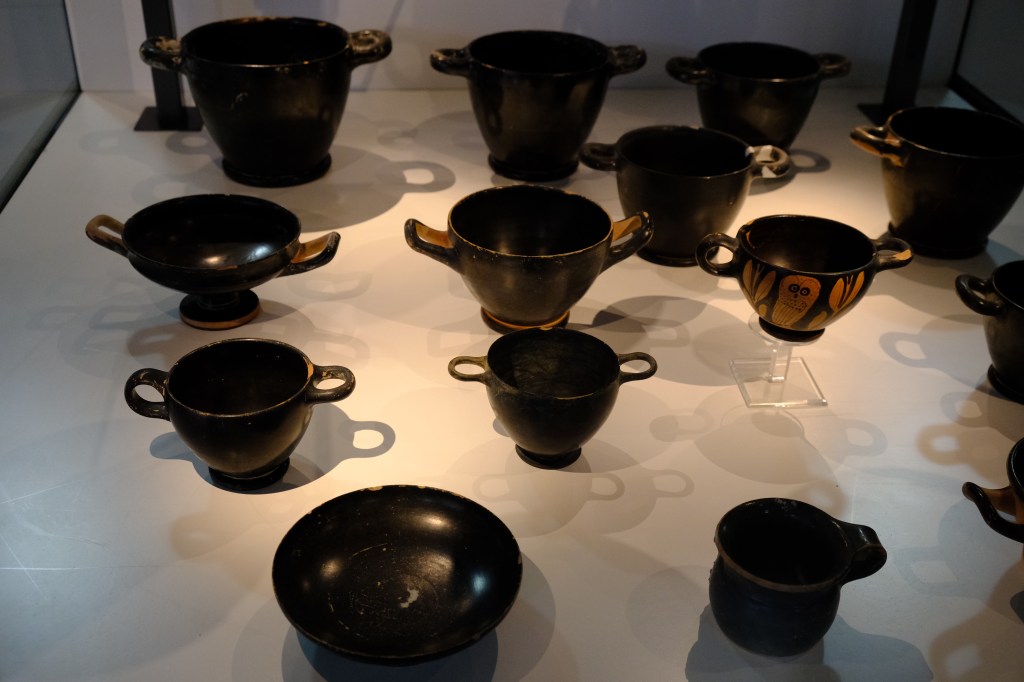
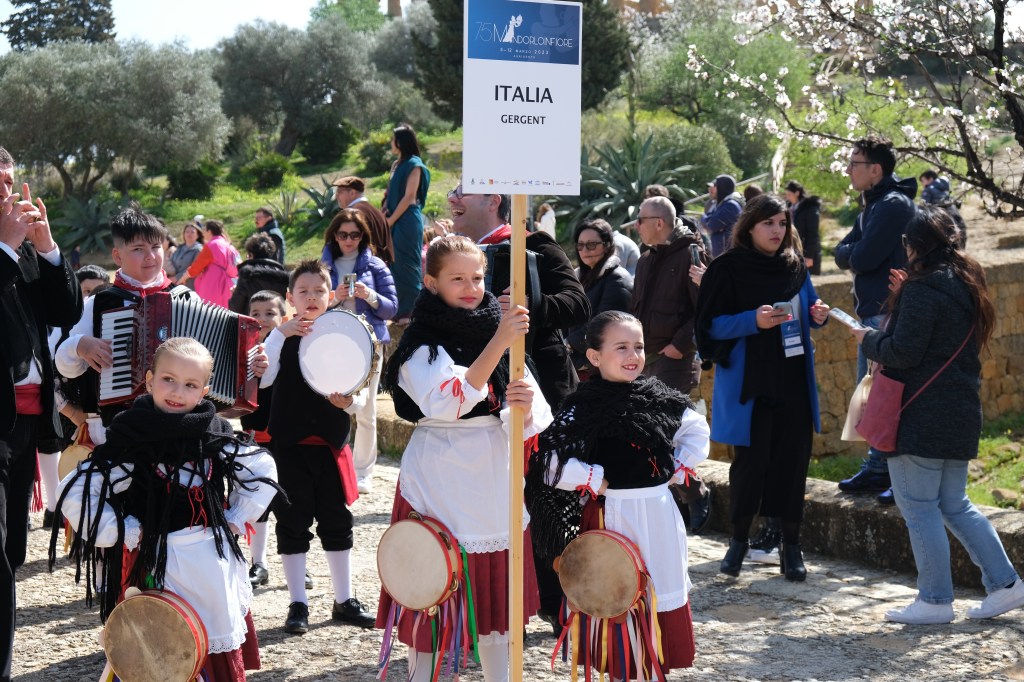
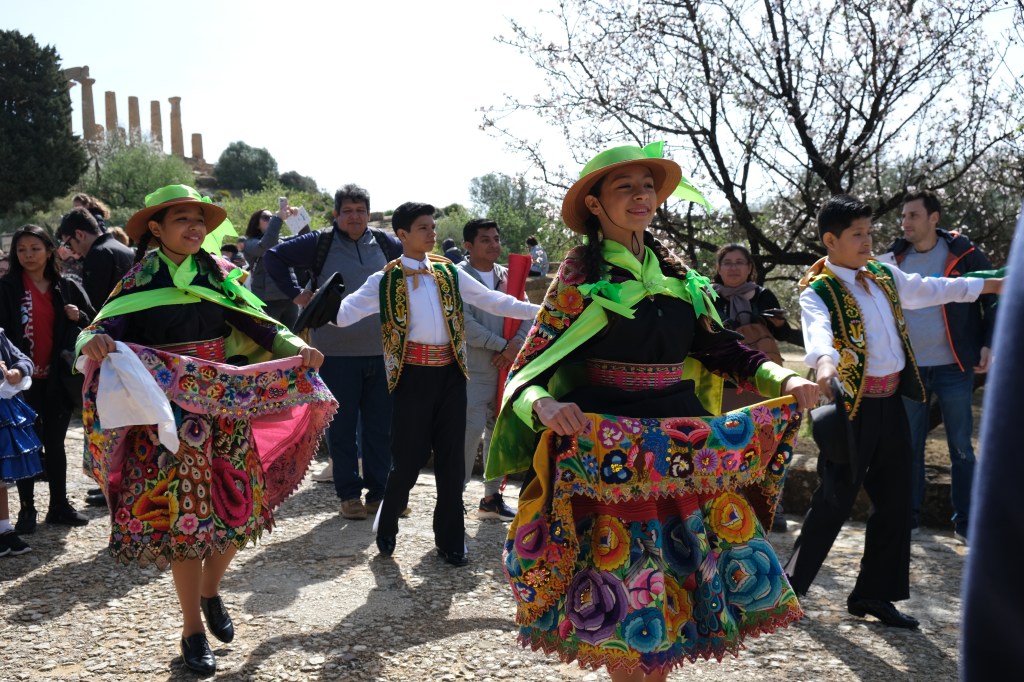
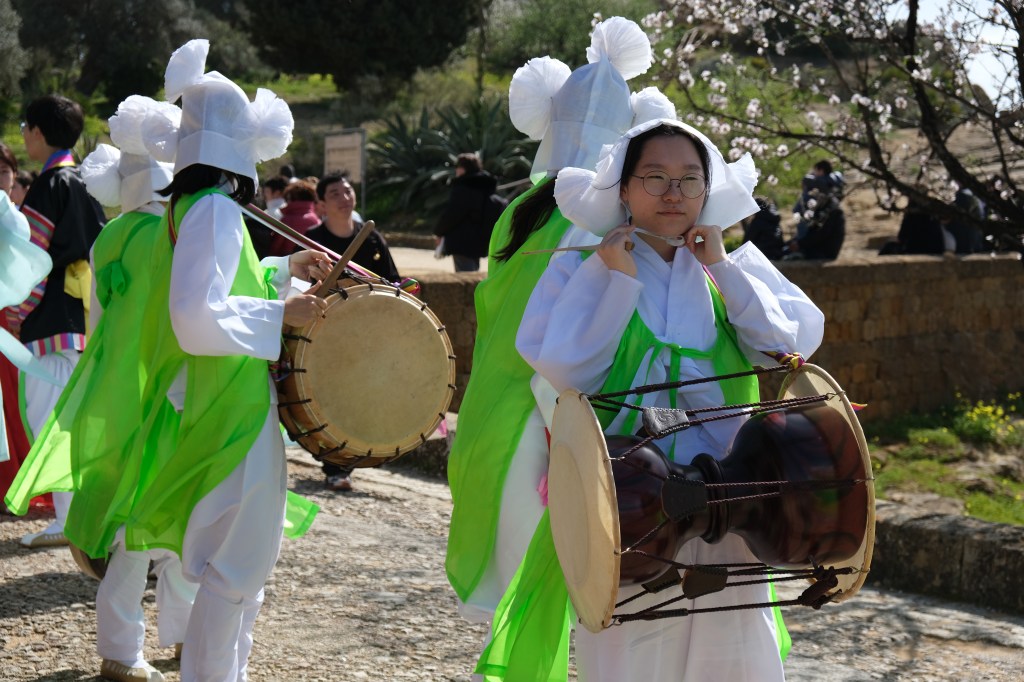
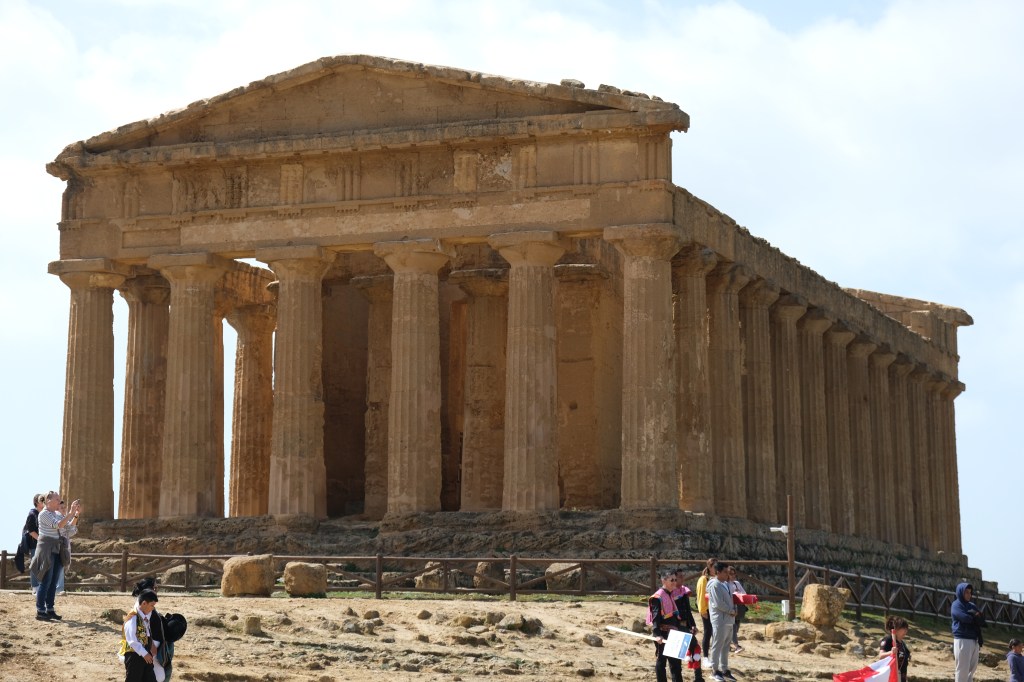
The focus of our second day was the archeological park, the Valley of the Temples. We were in Agrigento during the Almond Blossom Festival, and there were cultural events, parades and performances in and around the town. We arrived at the temples on Saturday just as the “Children of the World” event was starting, with kids dressed in traditional costumes of various regions of Italy, and from Peru, Turkey, India, Korea, Mexico, Lithuania, Japan, Bulgaria, Panama and more.

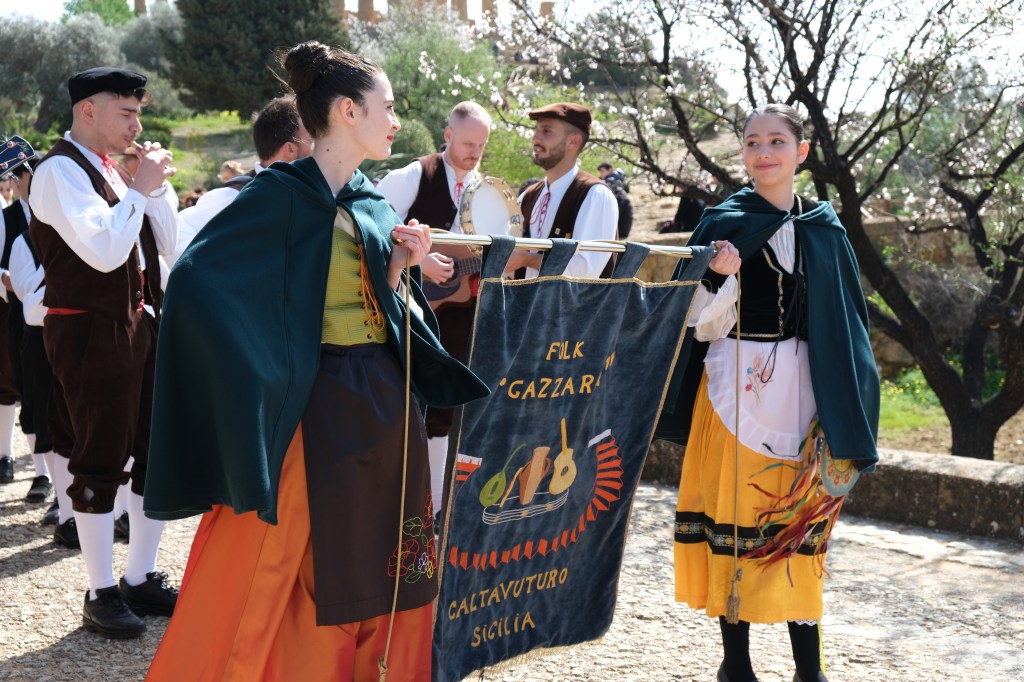
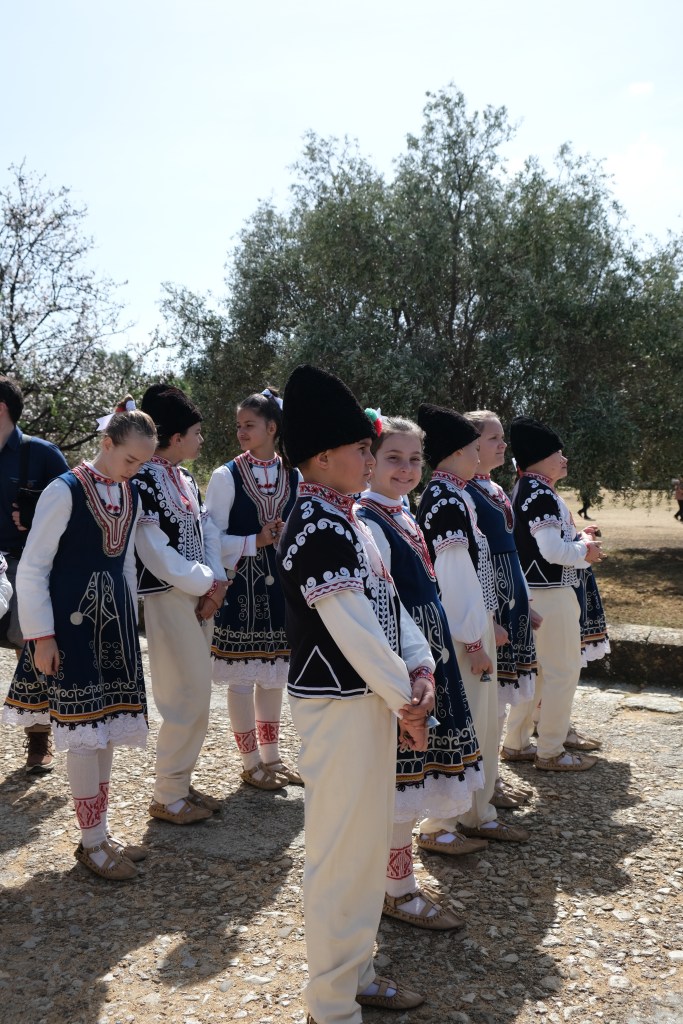
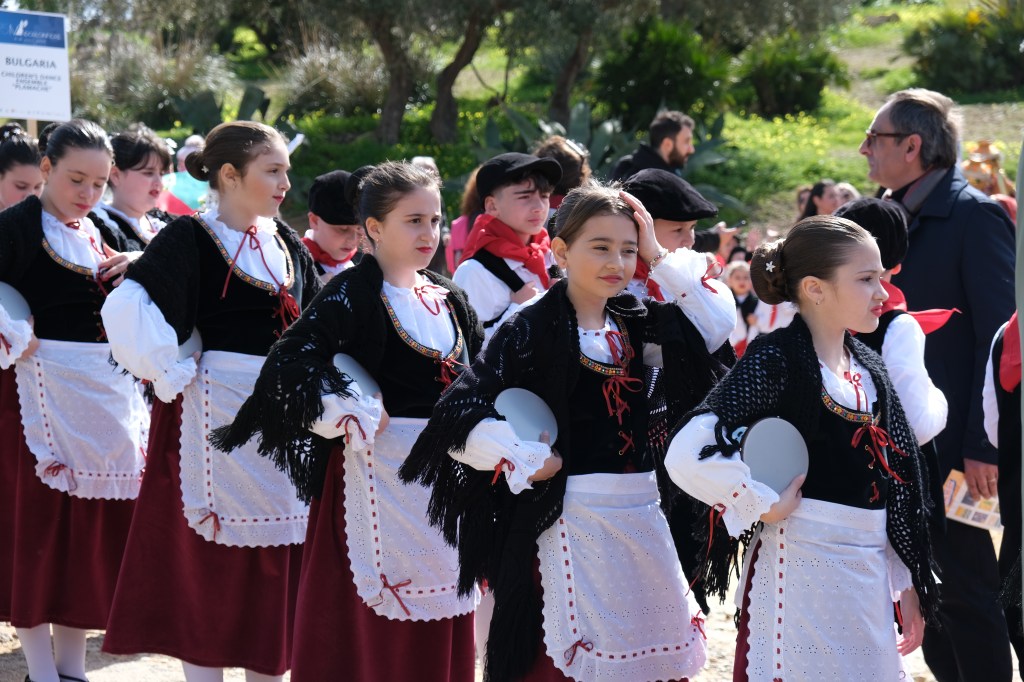
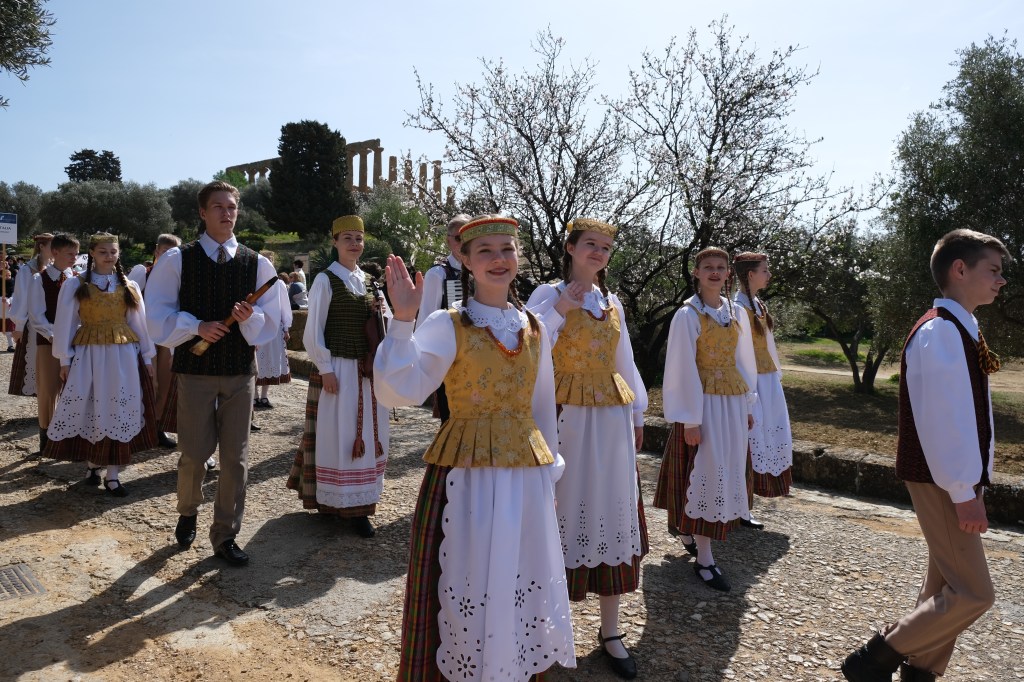


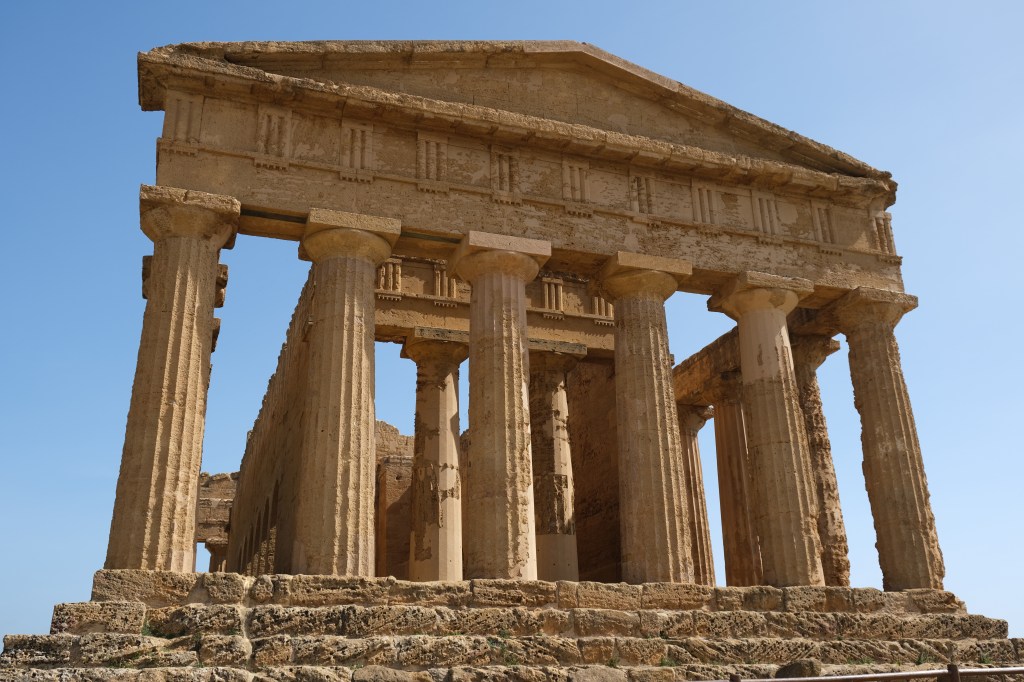
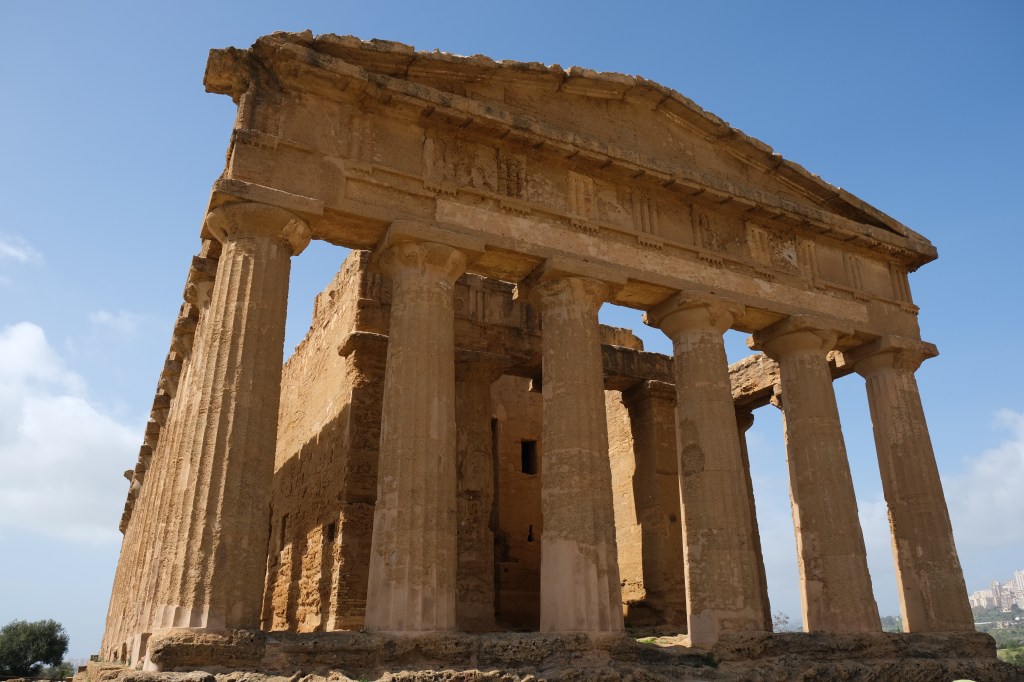
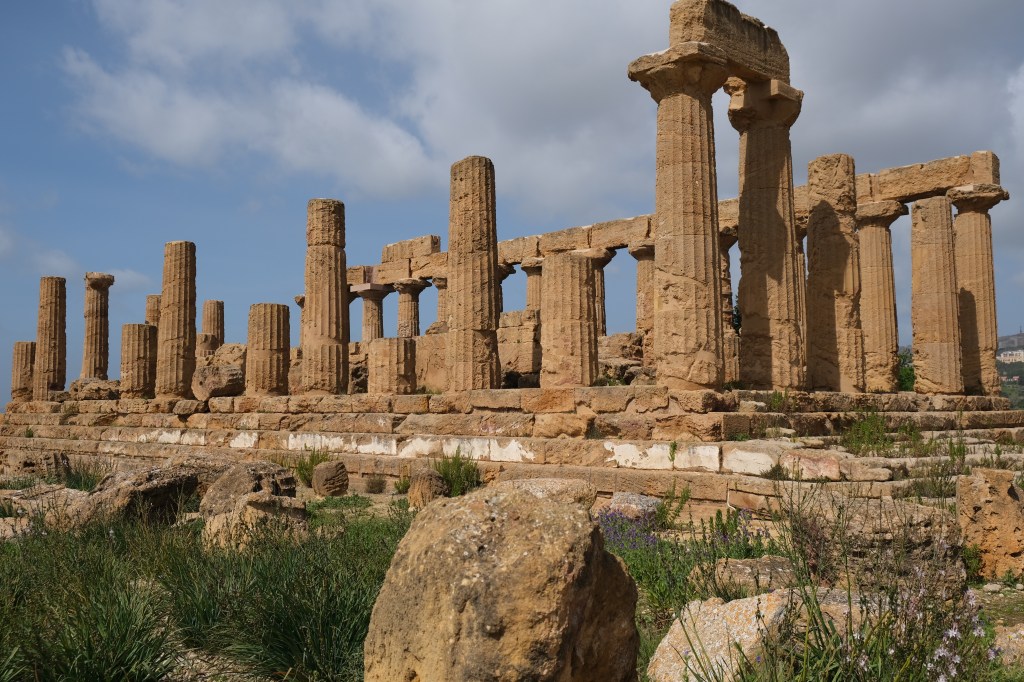
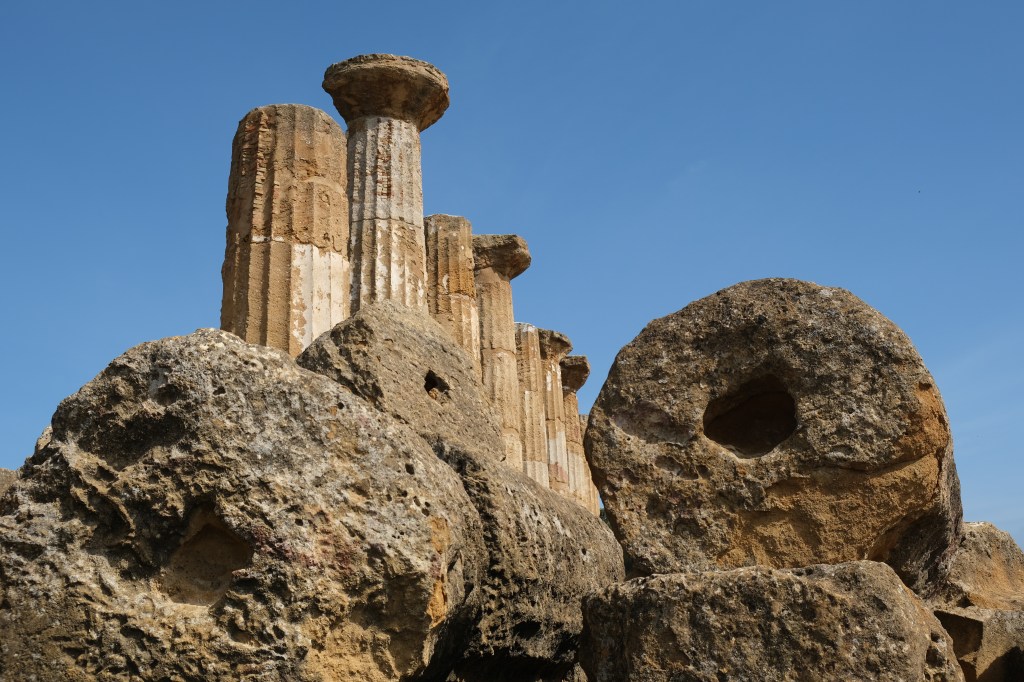
The archeological park includes the ruins of 15 Greek temples, each honoring a different god. The Temple of Concordia, is one of the best preserved Greek temples in the world. This temple was converted to a church under the Byzantines and was filled in between the columns. In the late 18th Century, Christian church structures were removed, and it was converted back to a temple. Other temples suffered a worse fate. The largest, dedicated to Zeus, originally longer than a football field and taller than a 10-story building, collapsed in 1401, and 95 percent of the temple’s original building material have since been recycled in other construction projects over the centuries.





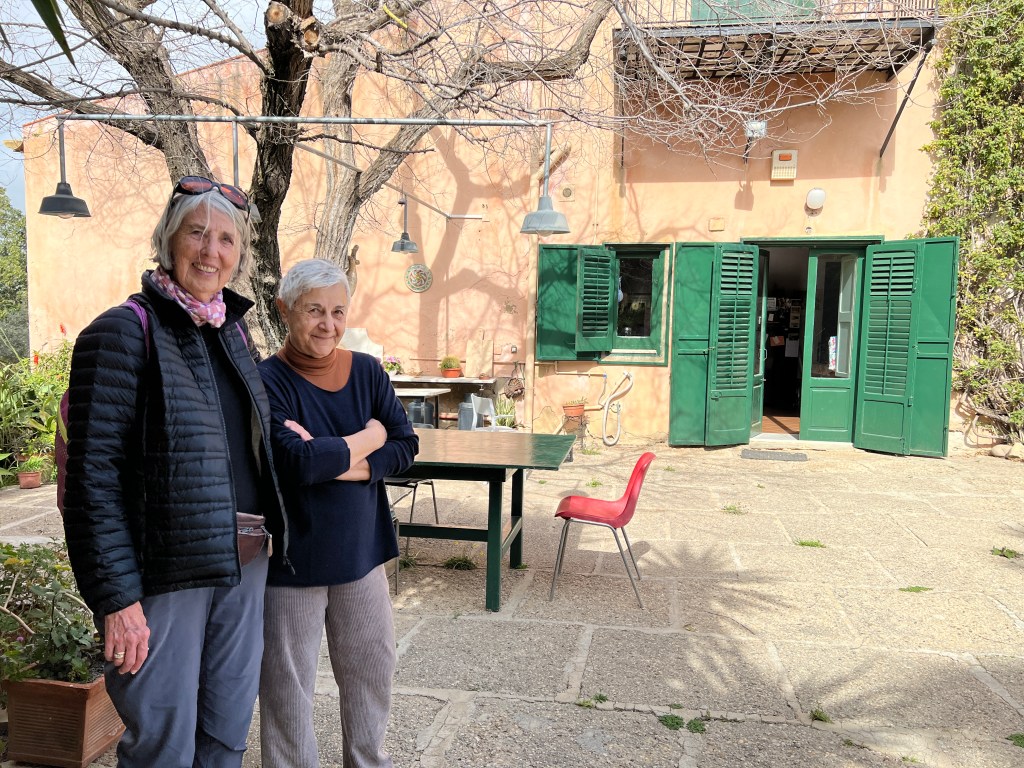
After touring the temples, it was time to head back to our home base, Fattoria Mosè, and say good-bye to our wonderful host, Chiara, who made us feel right at home during the two nights and two dinners we spent at this Agriturismo. Fattoria Mosè’s 80-acres produce almonds, pistachios, oranges, lemons, fruits and vegetables, and olive oil. If you sign up for it, you can have dinner provided, and we opted for dinner both nights. During dinner, Chiara joined us, and we learned a little about this farm that has been in the family for five generations. By the time we departed, we felt like family; we could have stayed longer.
 Keeping up with Pat and Maurice
Oh, Chiara! She’s so wonderful; I wish we were back there now. So glad there was a picture of her!
LikeLike
Beautiful Maurice!
LikeLike
Enticing me to go back!
LikeLike