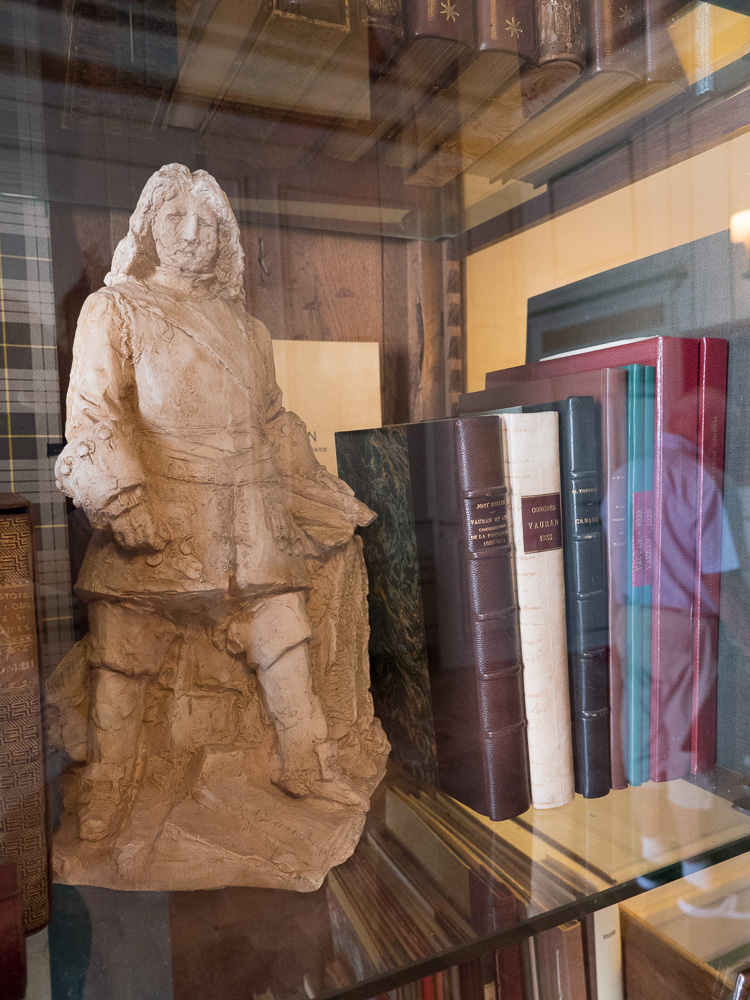
Sébastien Le Prestre de Vauban, Seigneur de Vauban, Marquis de Vauban (1633- 1707), understandably referred to as “Vauban,” accomplished an astounding amount.
He was considered the foremost engineer of his era, and known for designing impregnable forts and breaking through those considered able to withstand all assaults. His work dominated siege craft for nearly a century. Vauban advised Louis XIV on how to consolidate France’s borders, making them more defensible, and made the radical suggestion of giving up some indefensible land in order to create a stronger, less porous border.
Vauban constructed or improved hundreds of forts and fortified towns. Those Maurice and I have visited are impressive buildings on their own, regardless of purpose. Some, as with Brest, are built on Roman garrison foundations and incorporate ancient walls and other architectural components. It was the only structure left standing after the WWII Battle of Brest. Twelve of Vauban’s fortifications are now UNESCO World Heritage sites—towns built from scratch, citadels, urban bastion walls and bastion towers, mountain forts, sea forts, a mountain battery and two mountain communication structures.
Vauban was not only an engineer, but also a soldier, participating in 48 sieges. He was wounded several times, and was held prisoner. He also wrote on a wide range of subjects—among them the French system of taxation. Vauban was deeply impressed with the deplorable condition of the peasantry whose labor he regarded as the main foundation of all wealth. He found France’s fiscal system unjust and unfair, and wrote a tract in 1707 protesting the unequal incidence of taxation and the exemptions and privileges of the upper classes. Vauban urged repealing taxes and imposing instead a 10% tax on all agricultural output (payable in kind) and on income from trade and manufactures, with no exemptions. He backed up his argument with a mass of statistics.
Unsurprisingly, this publication was not exactly popular with the ruling classes (nor would it be today). But the king stuck by his engineer because of the high regard in which Louis XIV held Vauban.
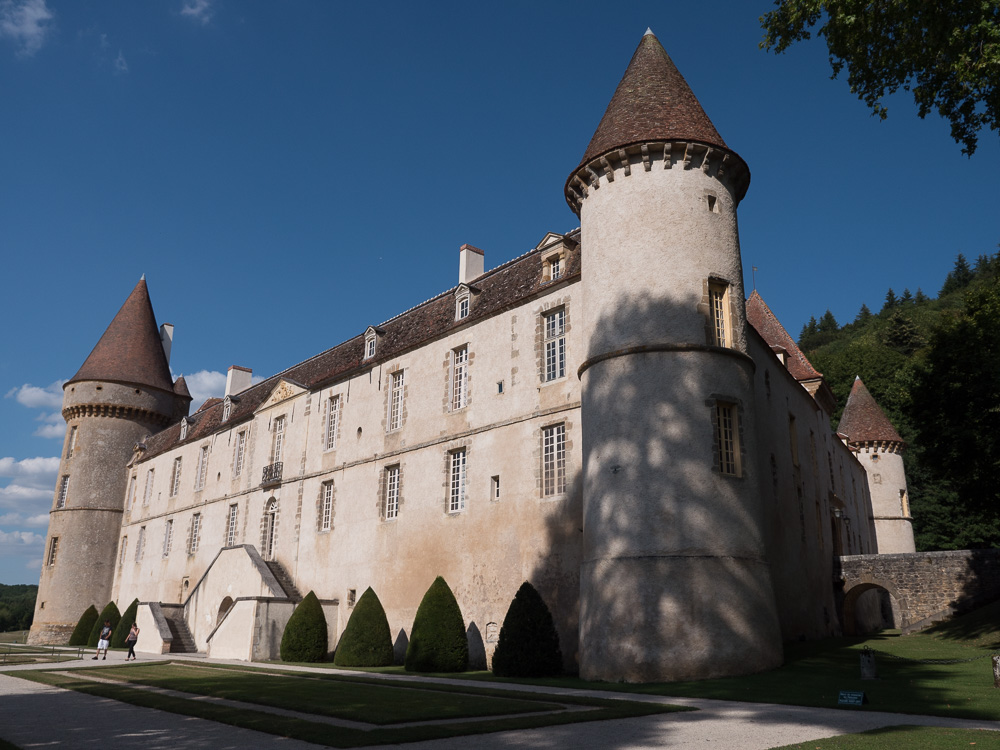
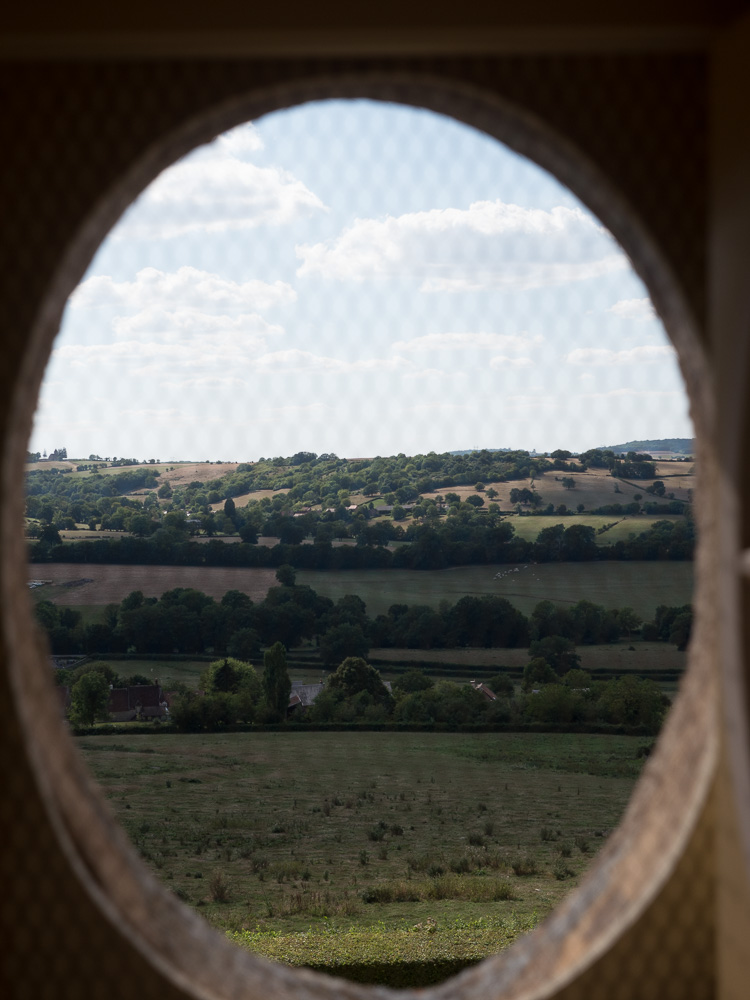
We spent an afternoon visiting his home in Bazoches. Built in the twelfth century, halfway up a wooded hill, on the site of an old Roman post, the Château de Bazoches has a trapezoid form made up of four towers and a keep surrounding an inner courtyard.
Upon purchasing Bazoches, Vauban turned it into military garrison. From the château’s great gallery, Vauban and his engineers worked on plans and drawings for Vauban’s fortified towns and military defenses. Horse-drawn carriages delivered these plans to the far corners of the empire.
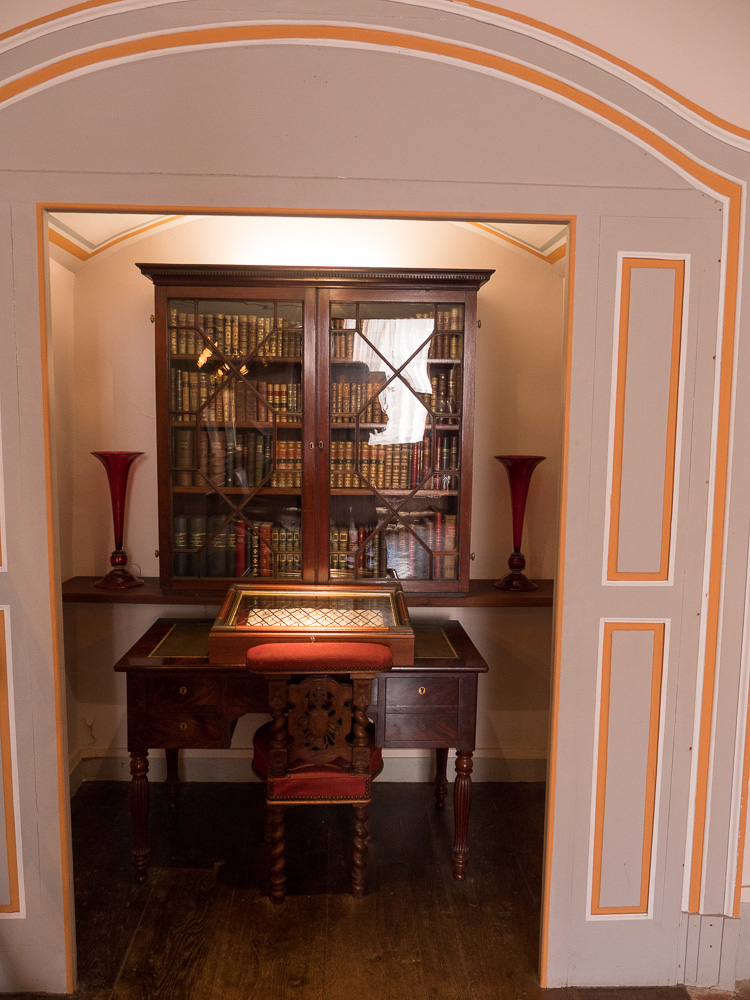
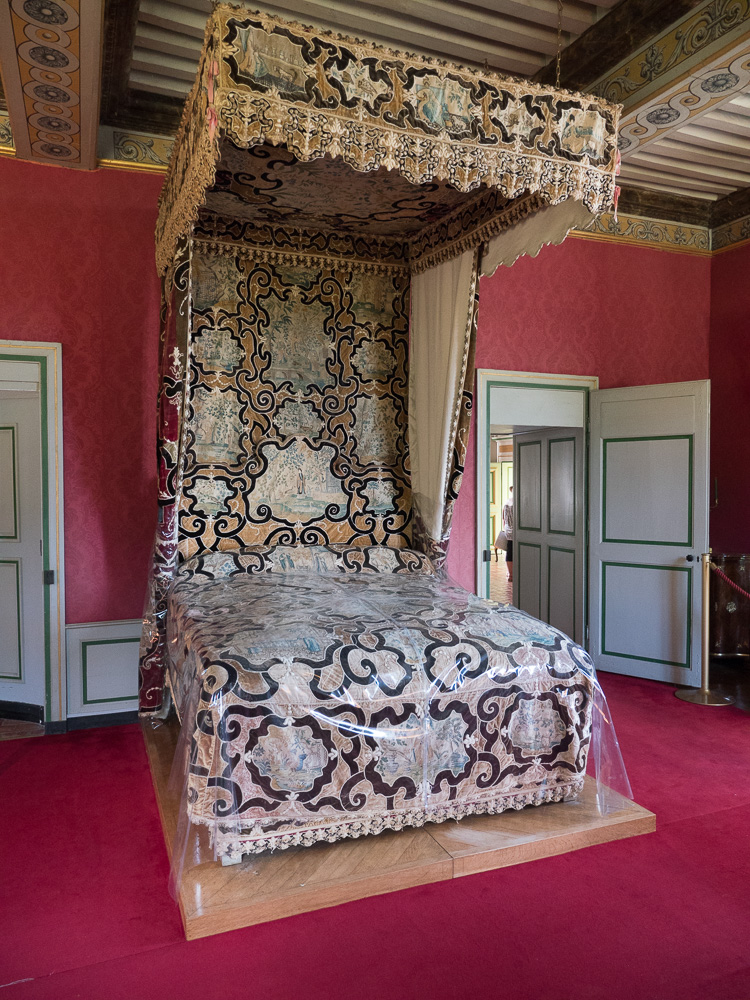
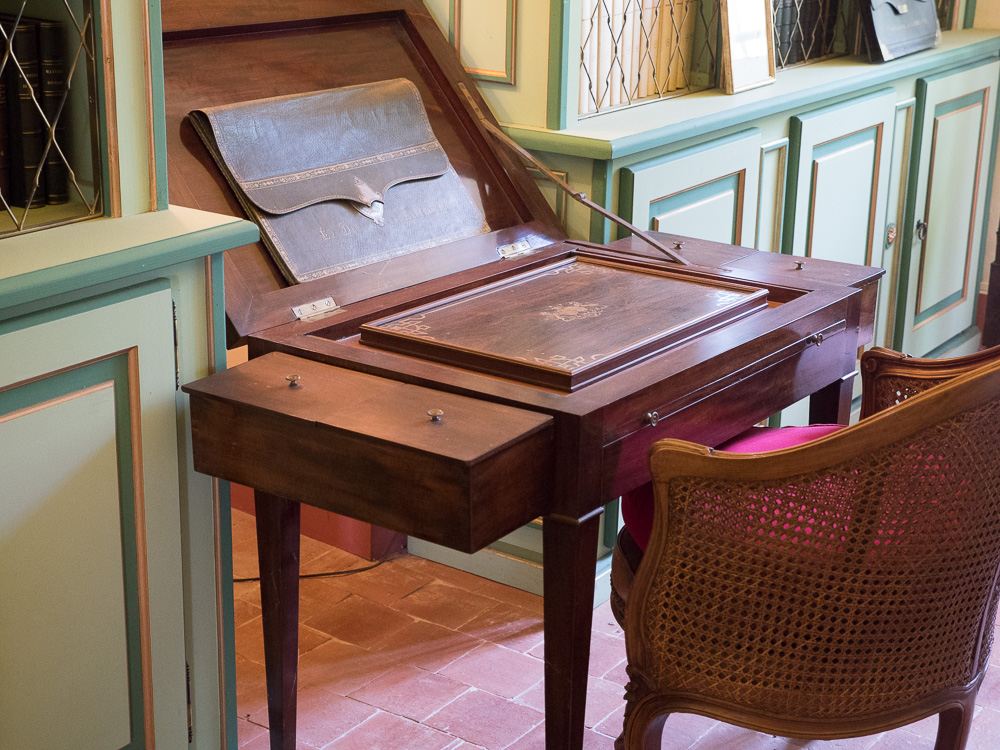
Part of the château is a museum. Part is the private residence of the descendants of Charlotte de Vauban, Vauban’s elder daughter, who maintain furniture, books, and other souvenirs of their famous ancestor in the château’s beautifully decorated public spaces.


 Keeping up with Pat and Maurice
Great detail!
LikeLike