
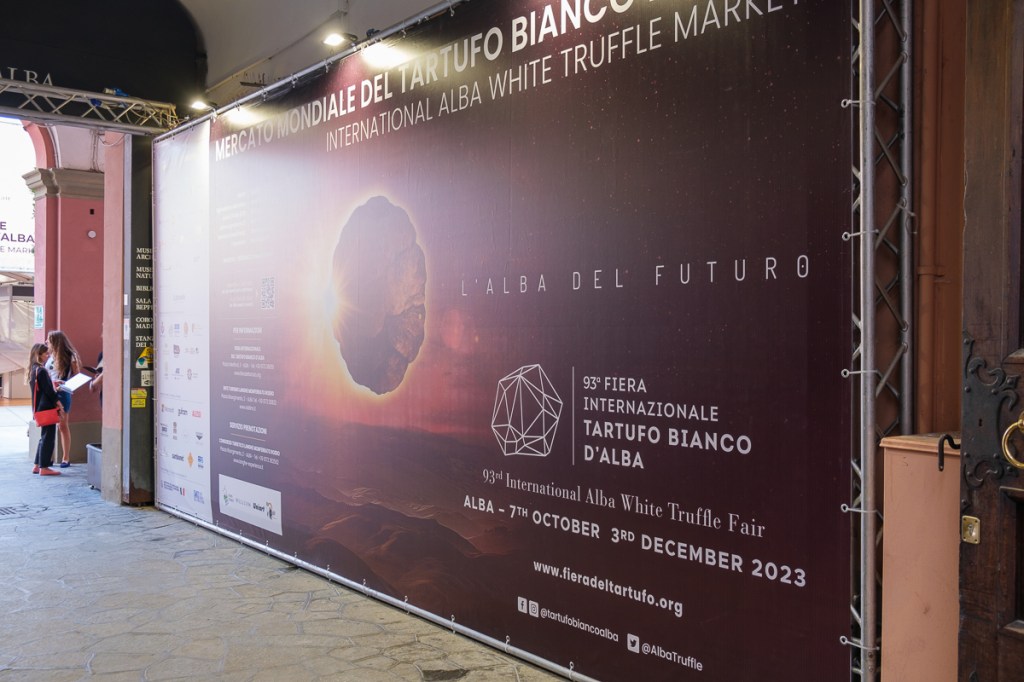
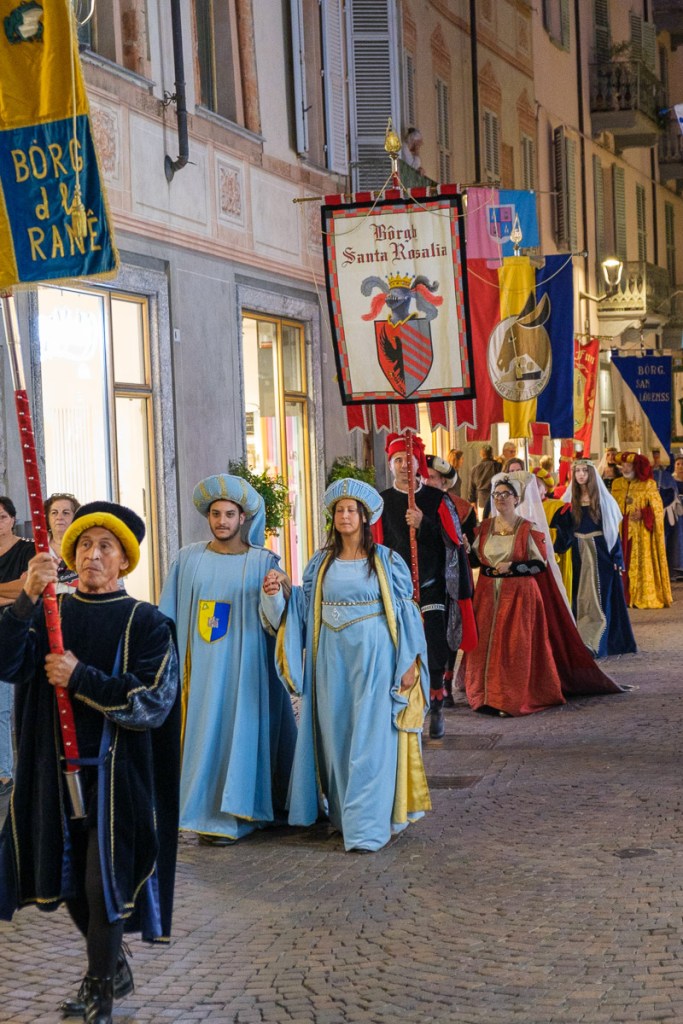
After our tour of the Punset Winery, we were brought back to Alba, and had some time to ourselves before we were to meet for a farewell apericena in the town center. I wandered the streets for an hour or so. The city was preparing for the International Alba White Truffle Festival, which in 2023 ran from October 7 — the day we left — until December 3. The festival has been going on since 1929, when Giacomo Morra had the idea of tacking on a truffle section to the extant end-of-harvest celebrations. Over the years, the festival has grown, with a variety of activities, food, wine, and the Truffle World Market, where truffle hunters bring in their finds, and sell them for a lot of money. As I’ve mentioned before, these delicacies are expensive. In Stanley Tucci’s “Searching for Italy” episode on Piedmont, he talks of a two pound truffle being sold at auction in 2019 for 100,000 Euros (about $109,000 today). That is about $3,400 per ounce. By contrast, gold is selling for a little over $2,000 per ounce today. Although the fair was starting the day we left, parades and festivities started the evening of our apericena.


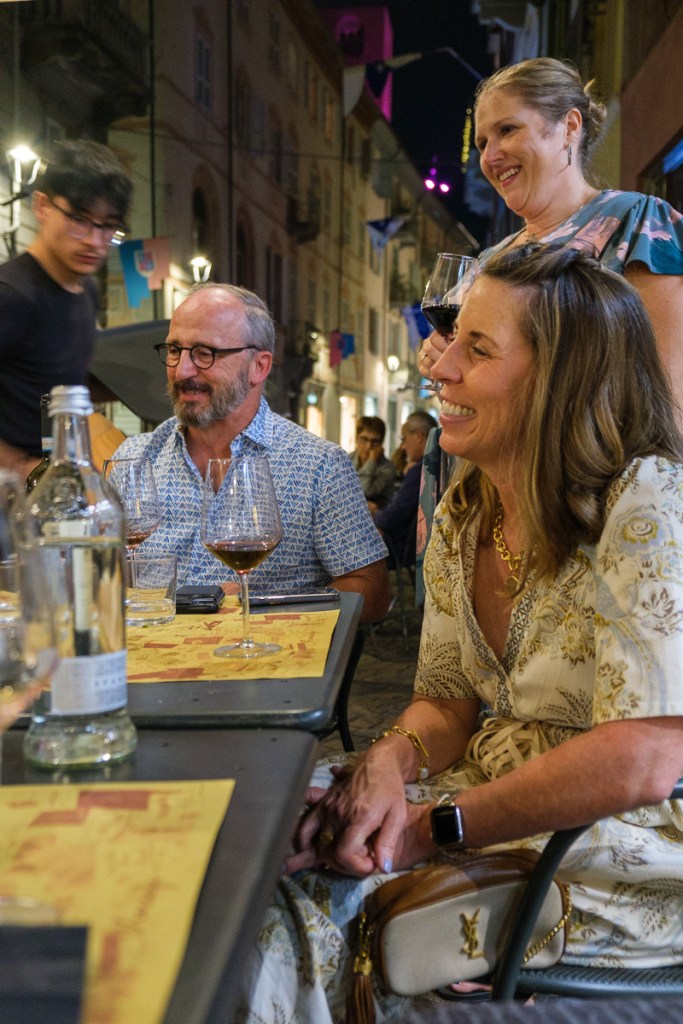
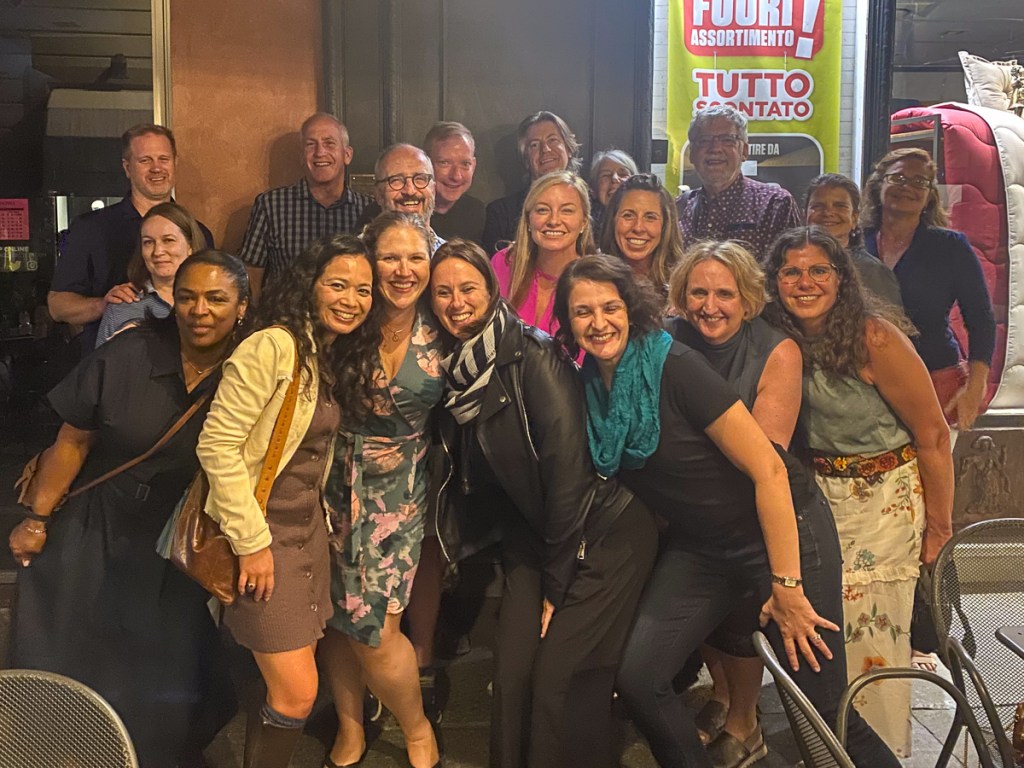
After my walk, it was time for the group to get together one last time, for the farewell apericena. We were served “heavy apps” (really, a light dinner), and Elizabeth had arranged for a wine maker friend of hers, Riccardo Sobrino from Cascina Delle Rose, to bring us (you probably wouldn’t guess) more wines to taste! There were speeches, emotional farewells, and lots of laughs.


Saturday morning, some members of the group were brought back to Turin very early to catch fights back to the U.S. Others had later flights, or were spending more time in Italy or elsewhere in Europe. We were taking an extra day in Turin. Lucy and Nick (Pat’s kids) worked with our tour leaders to arrange for a local guide to take us around the city.
Carlos, our guide first took us on a little walking tour, with stops for local delicacies (but no wine tasting).

There was a book fair going on, and I saw something we don’t usually see in the U.S. — a street performer giving a dramatic reading of works by Dante. We saw him once and then again a few hours later, still going strong.


Some random facts we learned about Torino on our walk: The Celts were here before the Romans settled the the town (which they called Augusta Taurinorum). Not much happened after the time of the Romans, until the mid-1500s, when the Duchy of Savoy, which spanned France and Italy, moved its capital to Turin from Chambéry. In 1720, the Duke of Savoy acquired Sardinia as well as the title of King of Sardinia, and Turin became the capital of the Kingdom of Sardinia. The effort to unify Italy was centered in Turin (and particularly in Turin’s cafés, some of which we visited). In 1861, Turin became the capital of the Kingdom of Italy.
After the capital was moved to Florence, and then to Rome, the economy of Turin shifted. It became a working-class industrial town. Fiat, the automobile company, was the dominant industry. Since hosting the Winter Olympics in 2006, Turin has experienced a renaissance; its population and economy rebounding after the decline of the auto industry beginning in the 1980s.


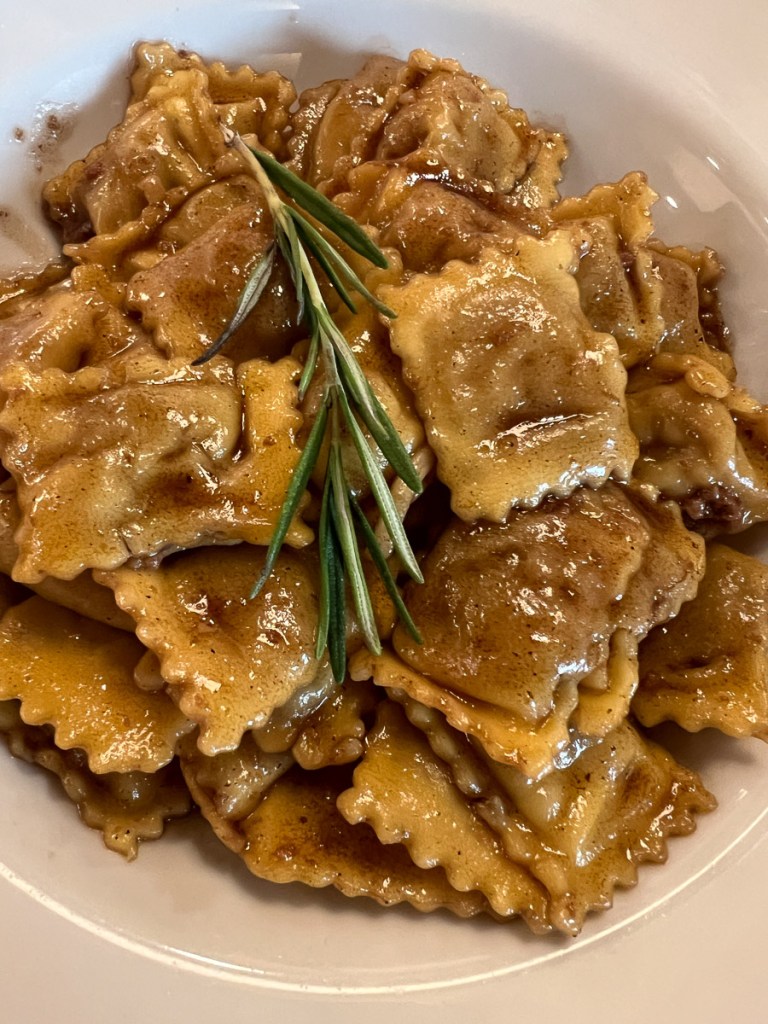
After a couple of hours roaming the town, it was time for lunch at Pastificio Defilippis, where we each tried typical Piedmontese dishes: Agnolotti Classici de Carne al Hugo D’Arrosto (like a mini ravioli with meat and gravy), and Plin Di Carne E Verdure Al Burro Fuso (another little stuffed pasta with meat and vegetables, butter and sage). Delicious. Oh, and there must have been wine with that, but I didn’t write down what.

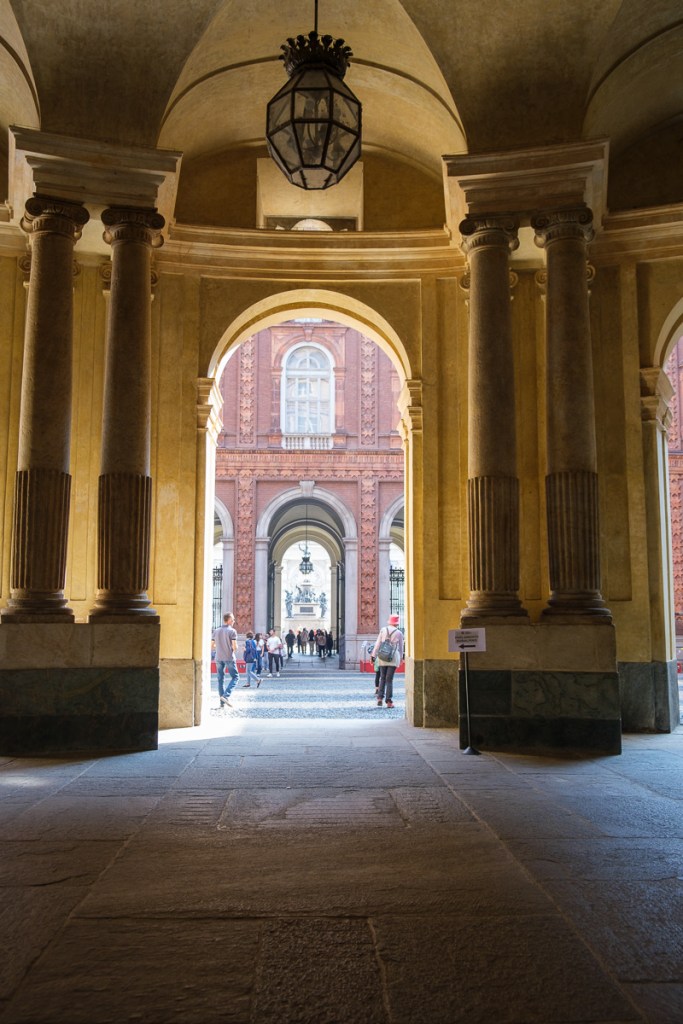
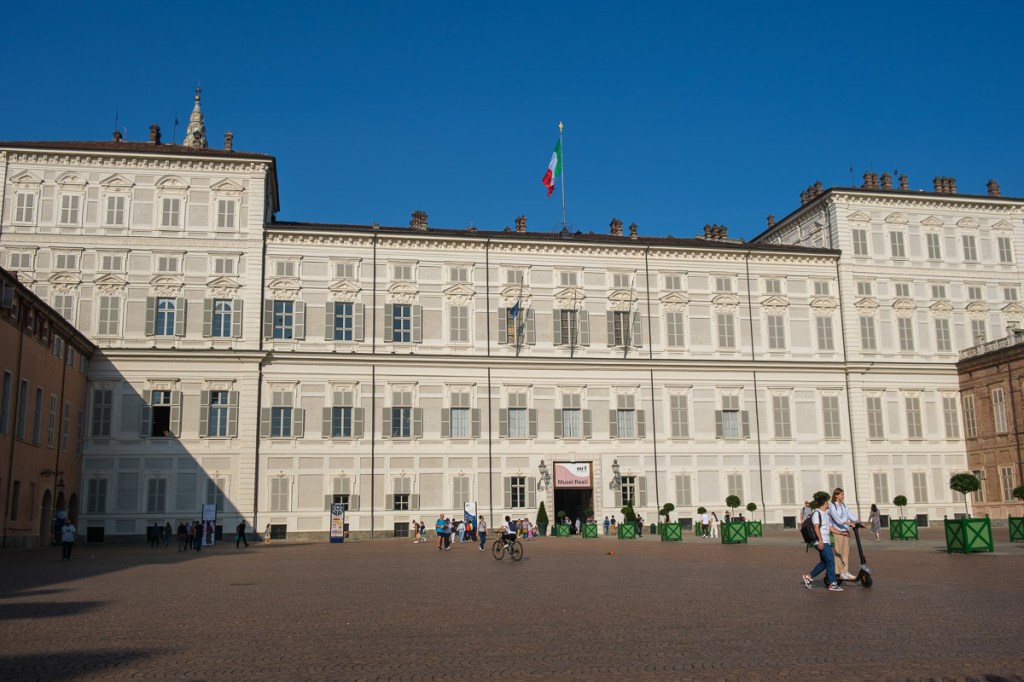
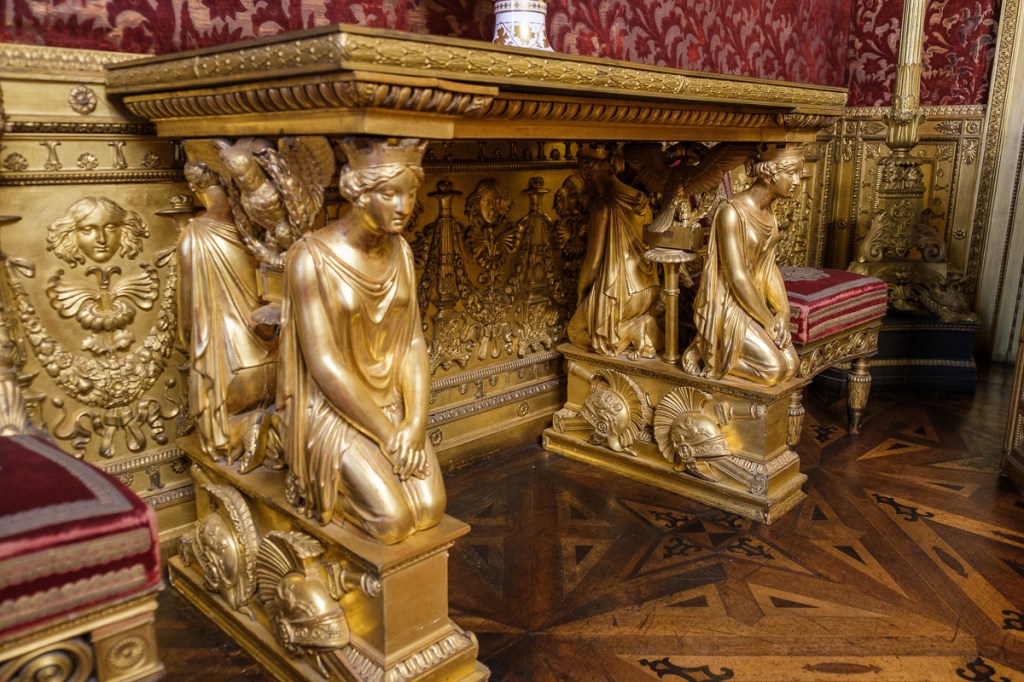
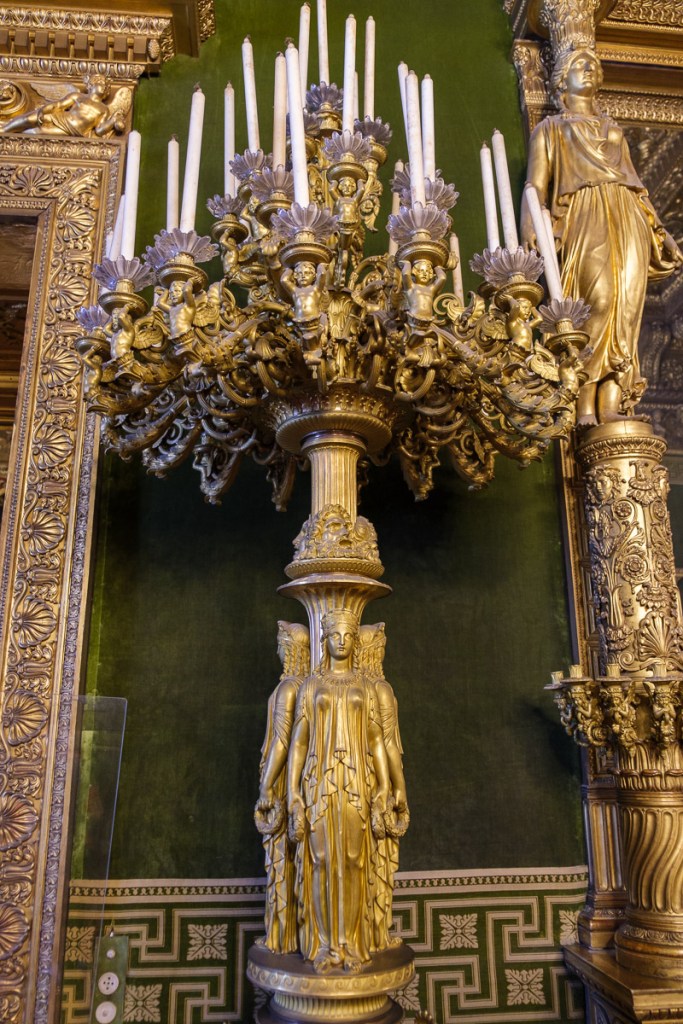
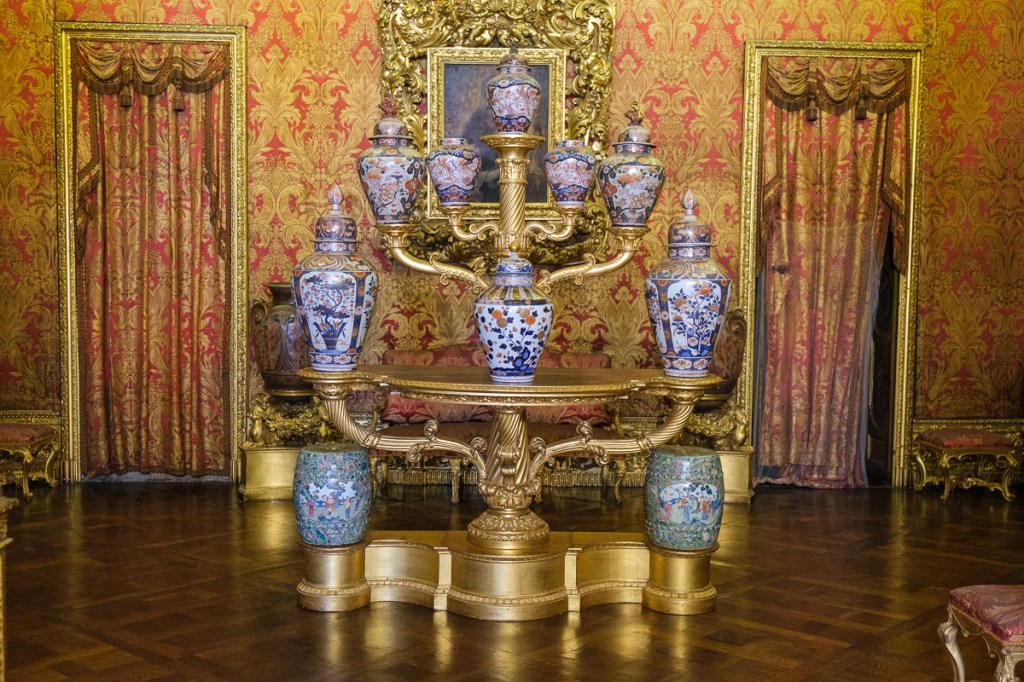
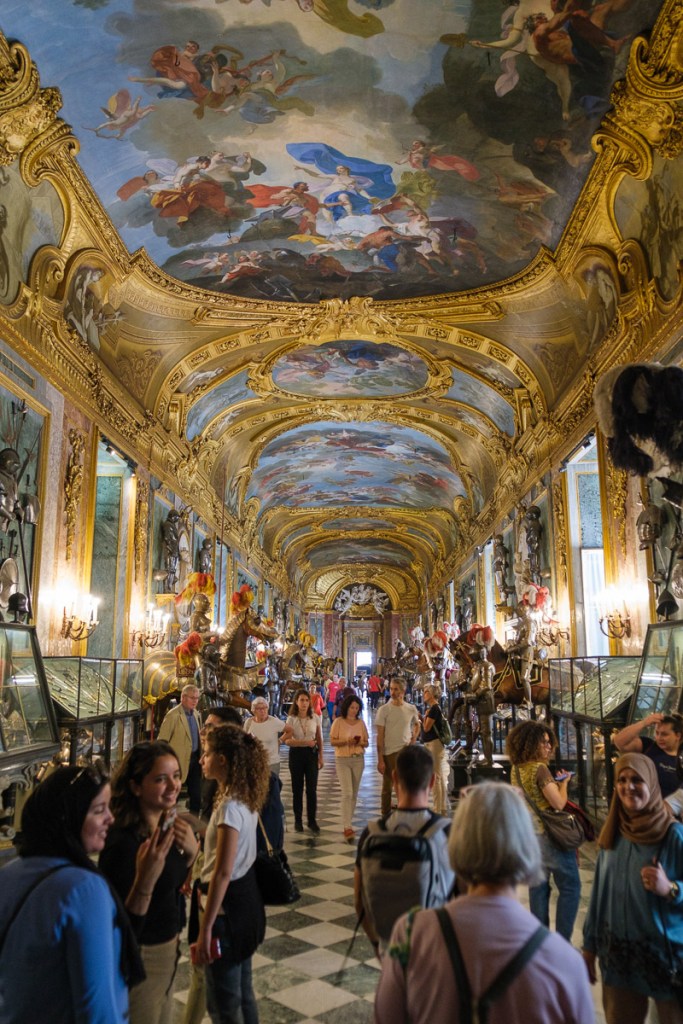
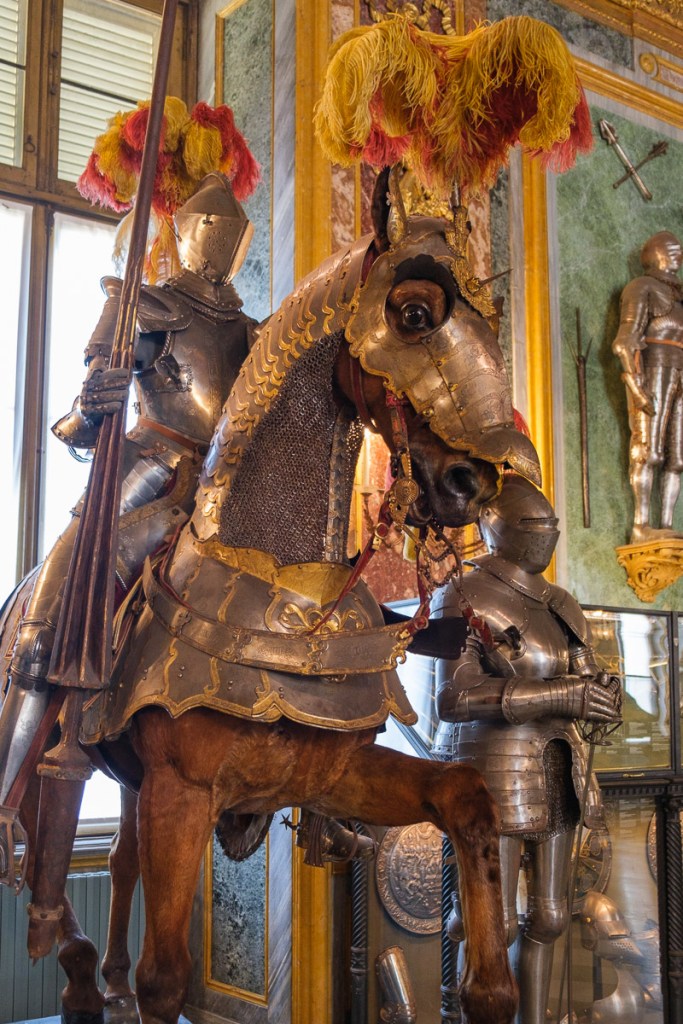
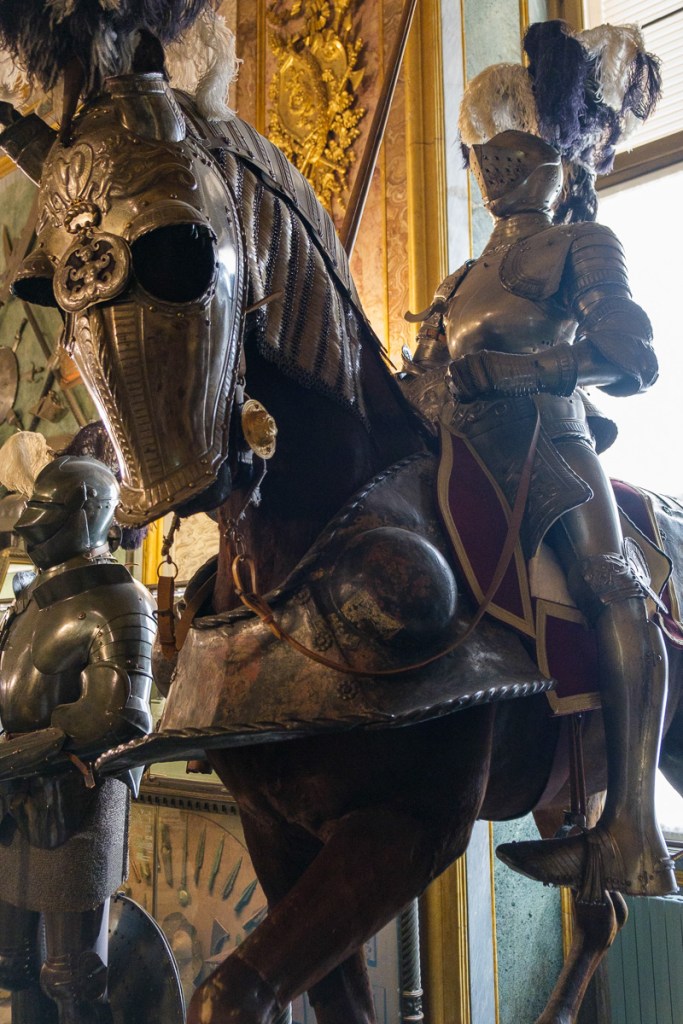
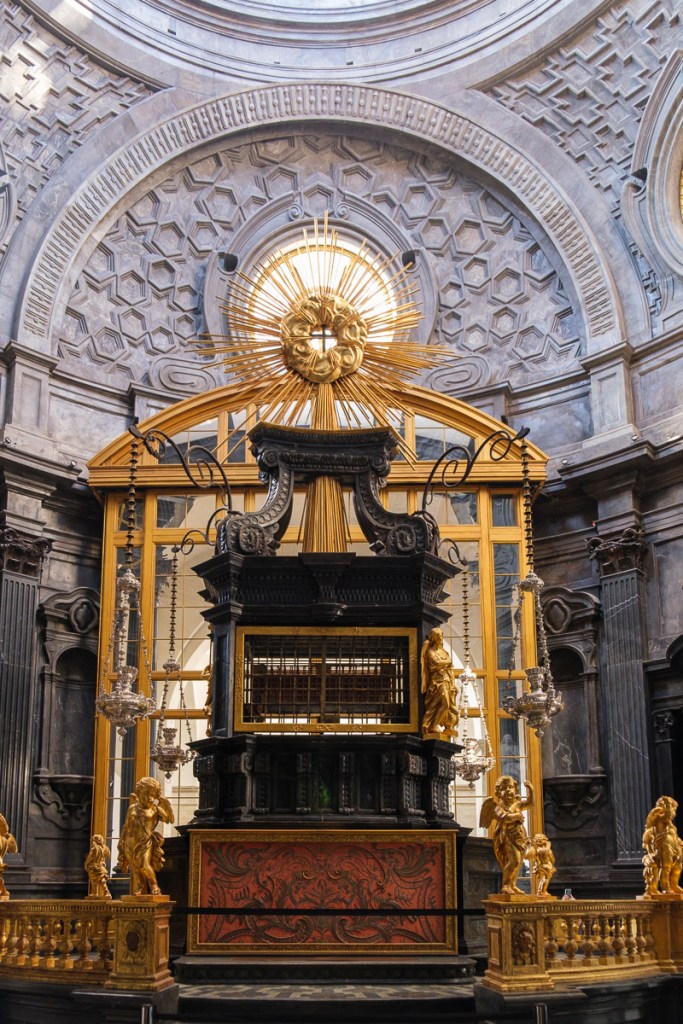
After lunch, we took a quick tour of the Royal Palace, which included the impressive Royal Armoury of Turin — with weapons and armor for horse and human from the 13th century through the 18th century (with a few more modern guns) — and the Chapel of the Holy Shroud, in a connecting space between the Palace and the Cathedral. (The shroud is only displayed when the Pope orders it, a few times a century.)


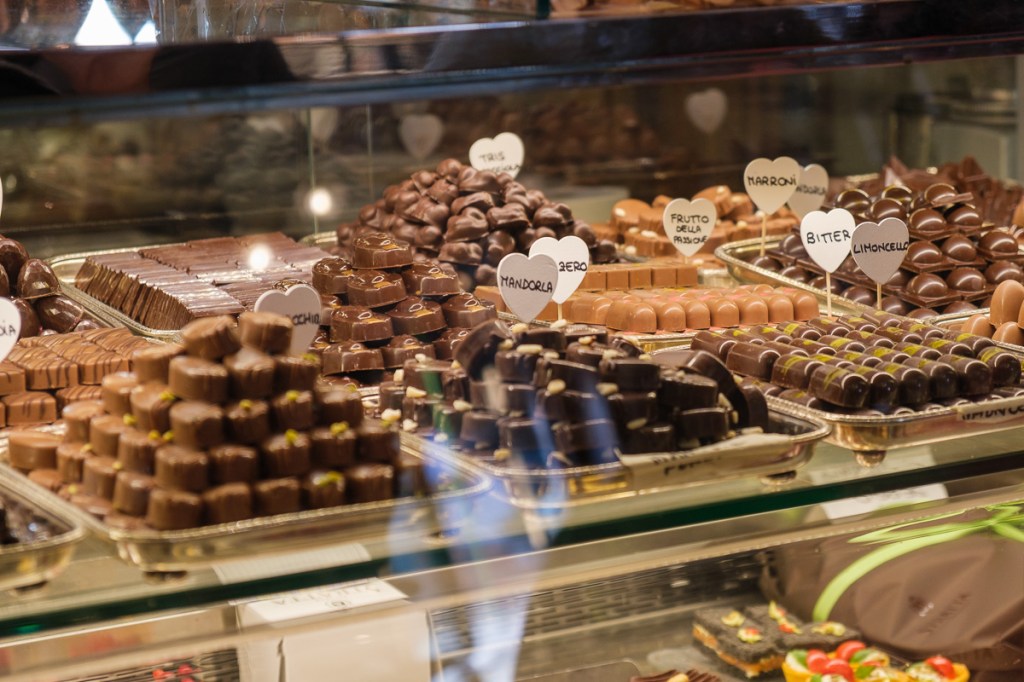
We finished off our tour with a chocolate tasting at Domori Chocolate. We were told that, while the Spanish brought the cacao bean back from the New World, it was in Turin where the bean was first processed into solid chocolate. Domori’s founder spent several years in Venezuela, experimenting with different varieties of cacao, and trying to prevent the extinction of a rare variety, Criollo. The company was founded in 1997, and continues to grow the Criollo cacao in Venezuela (as well as Ecuador). We tasted chocolates of varying strengths — 100, 80, and 70 percent — and learned a little bit about each. It was a tasty end to our week in Italy.
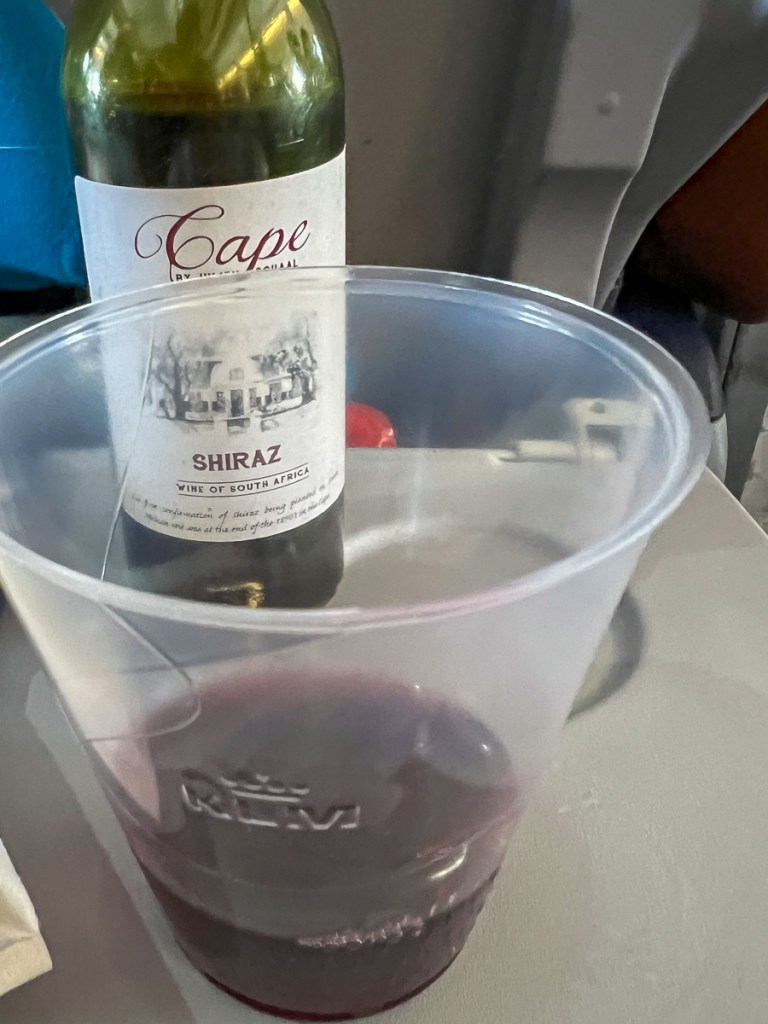
Monday morning, we were up early to catch a flight to Amsterdam, and from there back to the U.S. It was back to reality… and a very different wine experience.
 Keeping up with Pat and Maurice