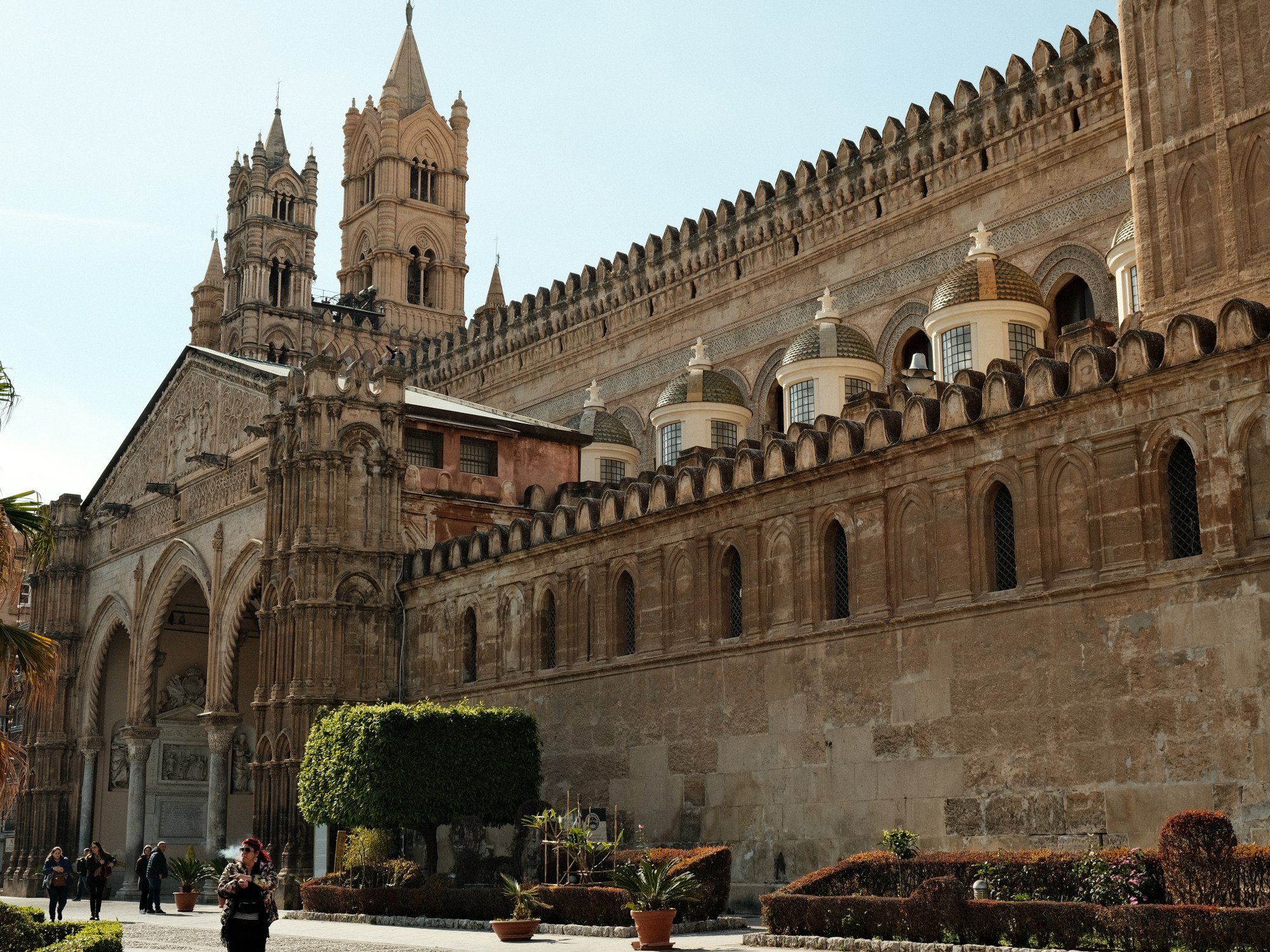
Palermo is the island’s largest city with a population of about 670,000. It was the Arabs, who arrived in 827 and ruled Sicily for more than 200 years, who put Palermo on the map. According to the guide book, by the year 1000, Palermo was one of largest and most modern cities in Europe.
After leaving Cefalù, Palermo was our next and last destination in Sicily. Before dropping the car off at the airport, we refueled—at the cost of about 100 Euros.
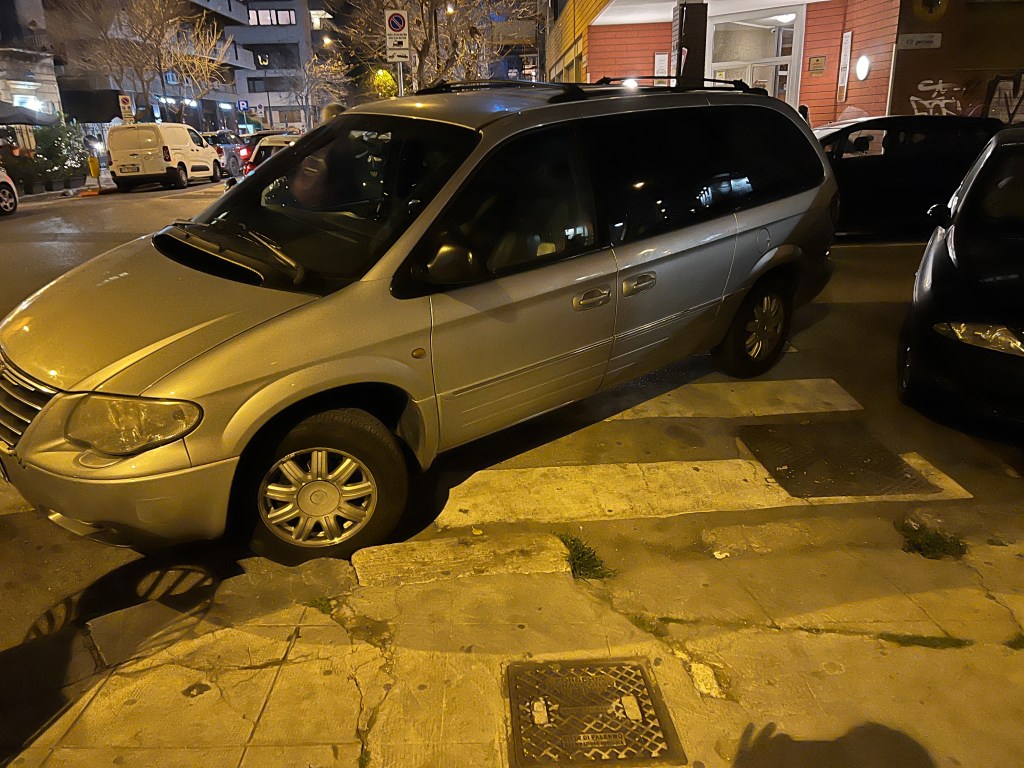
We bused back into town from the airport, and arrived at our hotel in time to have a drink before heading out to dinner. On our walk to the restaurant, I admired the efficient use of all available parking space on the streets of Palermo.
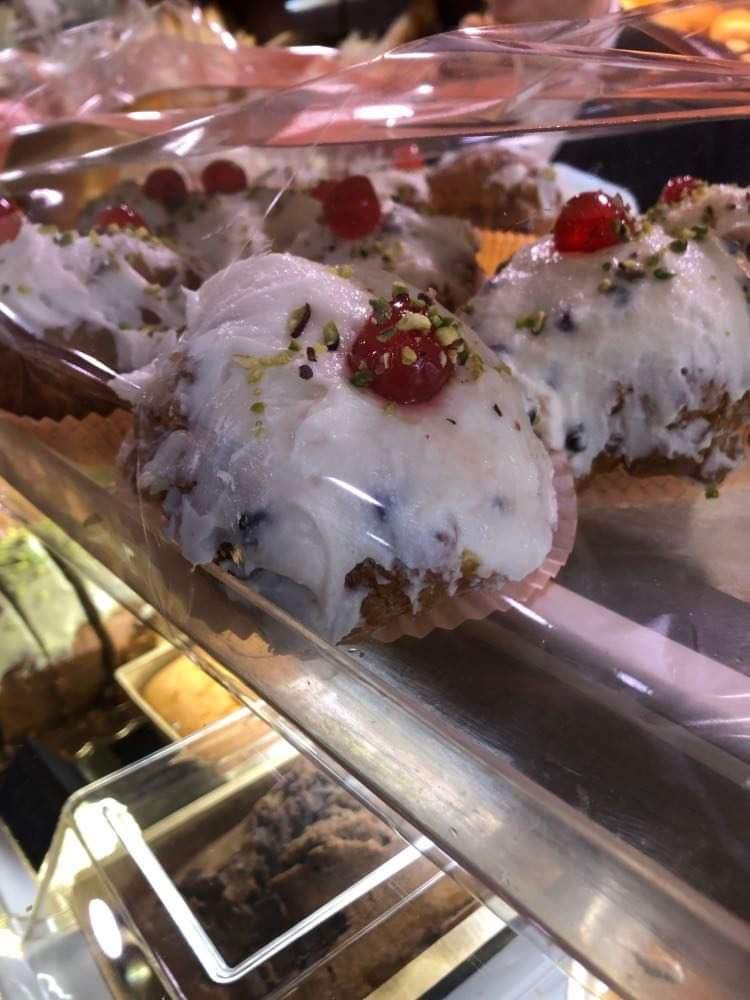
Our first day in the city began with a trip to a local bakery, where we had Sfincia, a special pastry made only on St. Joseph’s Day—Father’s Day in Italy. The way I would describe it is a mound of connolo filling on top of a puff pastry. Delicious.
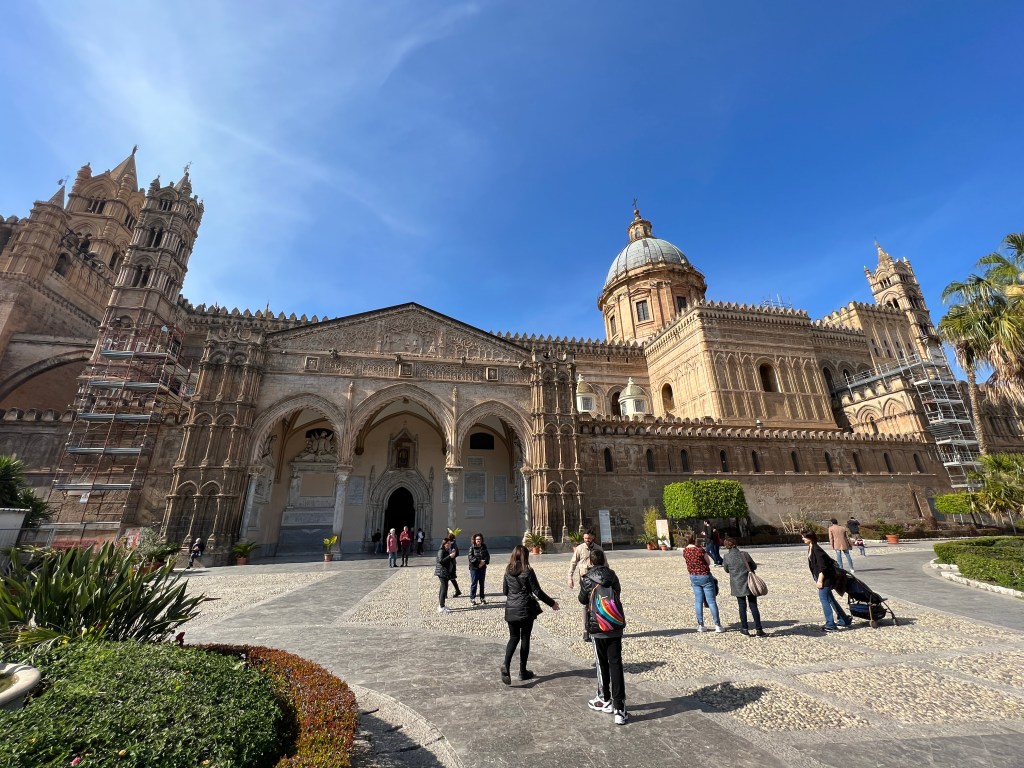
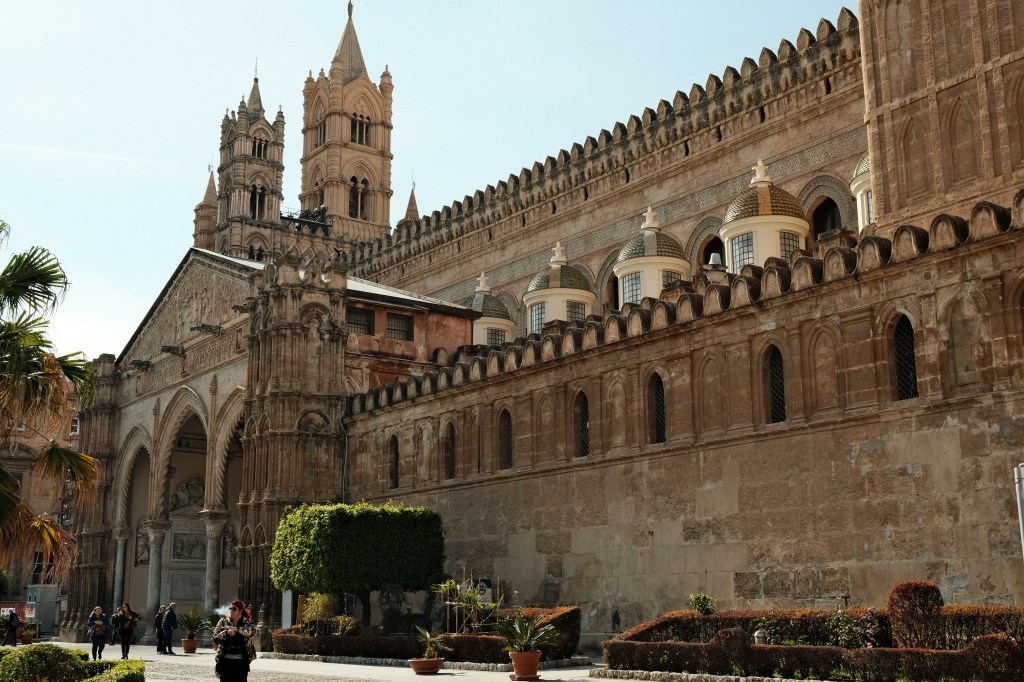
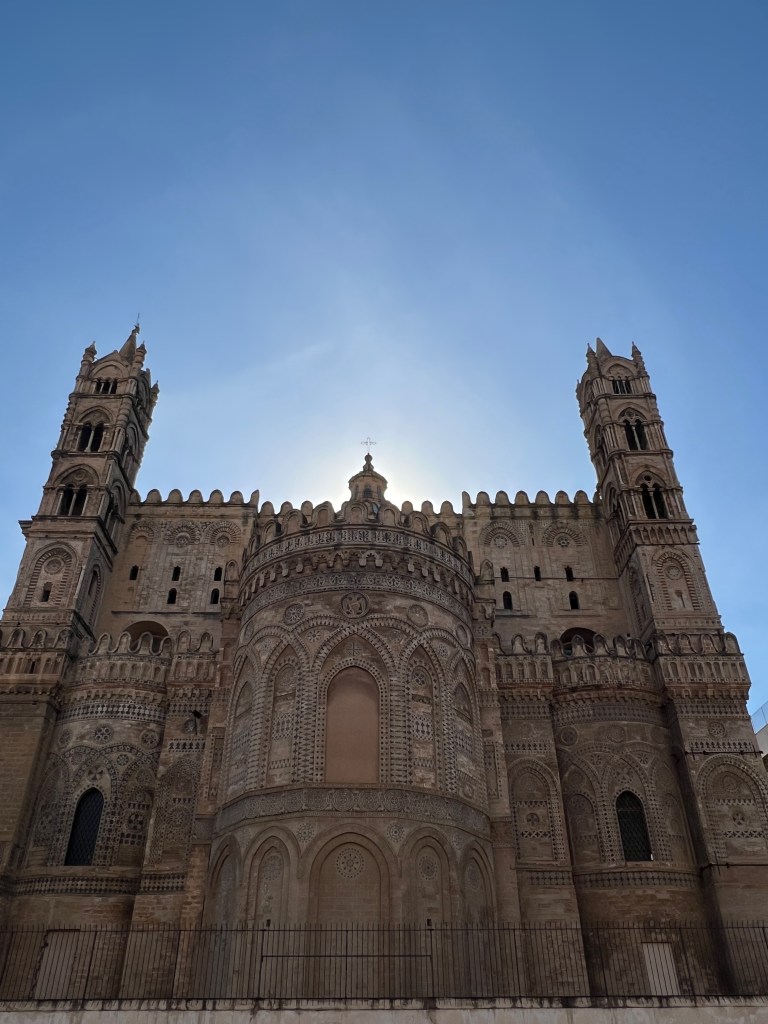
Our main destination for the day was the city’s massive cathedral, built over several centuries in a mishmash of styles—Arab, Byzantine, Norman, Gothic-Catalan (Spanish). Neoclassical and Baroque renovations in the early 1800s made the interior less interesting than the wild exterior.
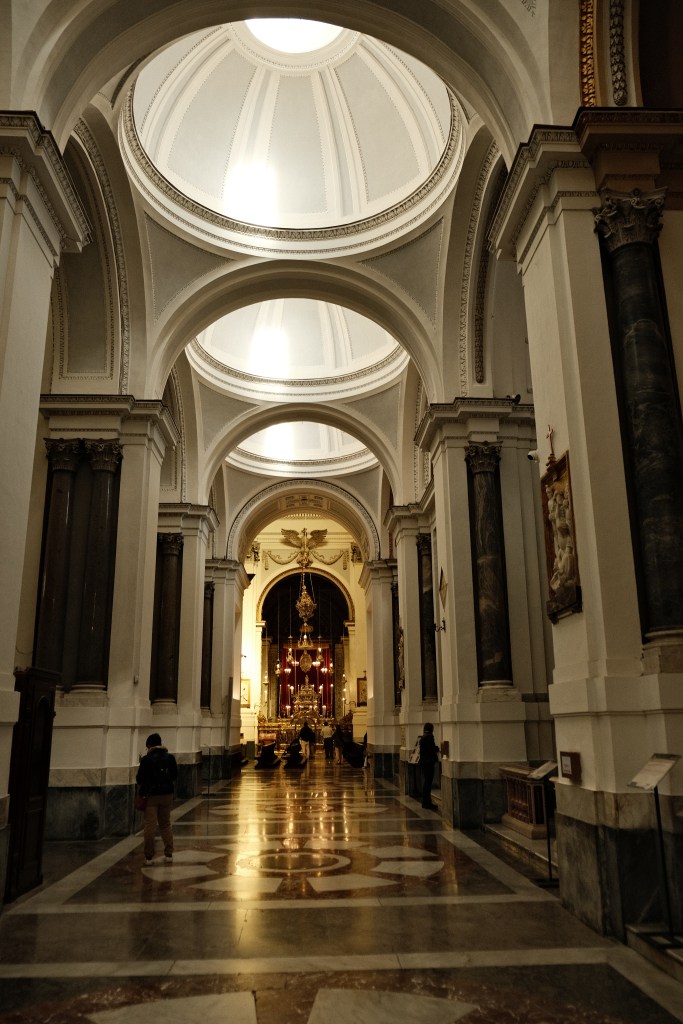
The main shrine within the cathedral was to Santa Rosalia, who appeared in a dream to a local hunter, and told him where her bones could be found on Monte Pelegrino. The hunter brought Santa Rosalia’s bones back to the city and, according to legend, the plague that was ravaging the city at the time, ended. She has been revered since and became the patron saint of the city. Her bones are now in an enormous silver alter in a side chapel.
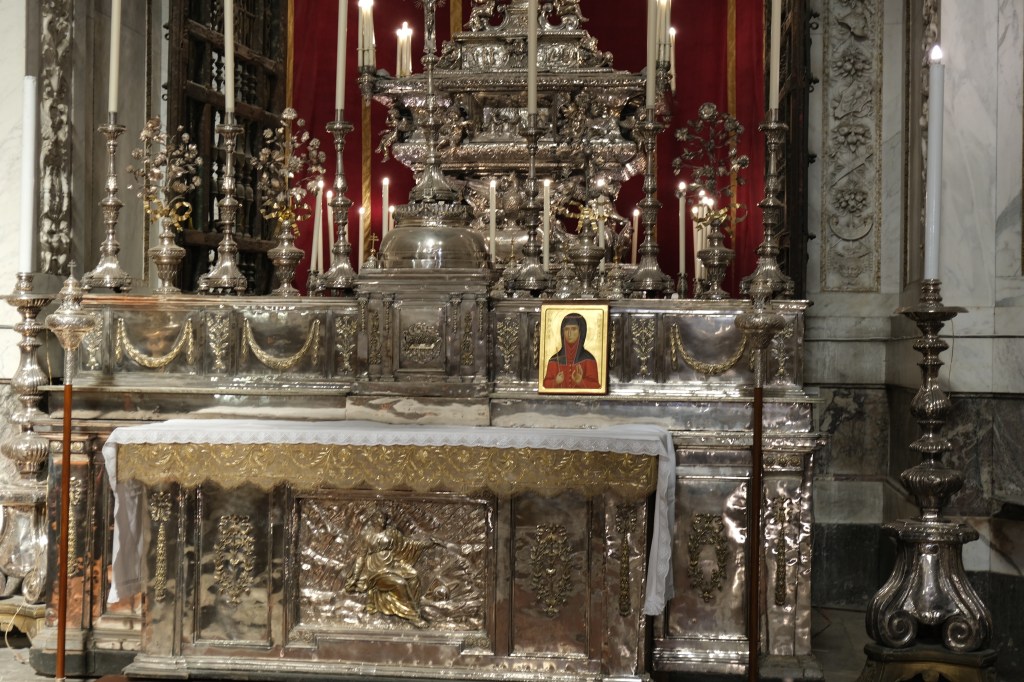
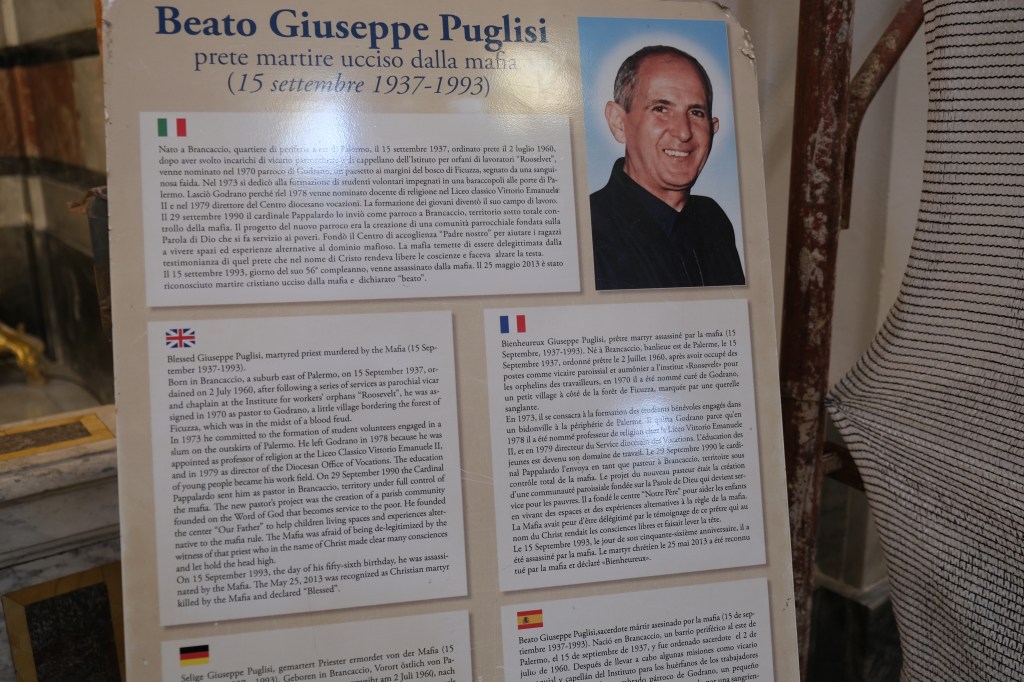
Another shrine of sorts is dedicated to Fr. Giuseppe Puglisi, a priest who served Palermo’s at risk boys in poor neighborhoods, steering them away from involvement with the Mafia. For that he was assassinated, causing the locals to rise up, precipitating the end of Mafia dominance in the city.
 Keeping up with Pat and Maurice