
While in London, we stopped by the British Museum with Edith and Olivier. The museum has a grand collection of treasures taken from Egypt, the largest selection of antiquities outside of Cairo. The museum has benefited from colonist-pillaged art since the early 18th century.
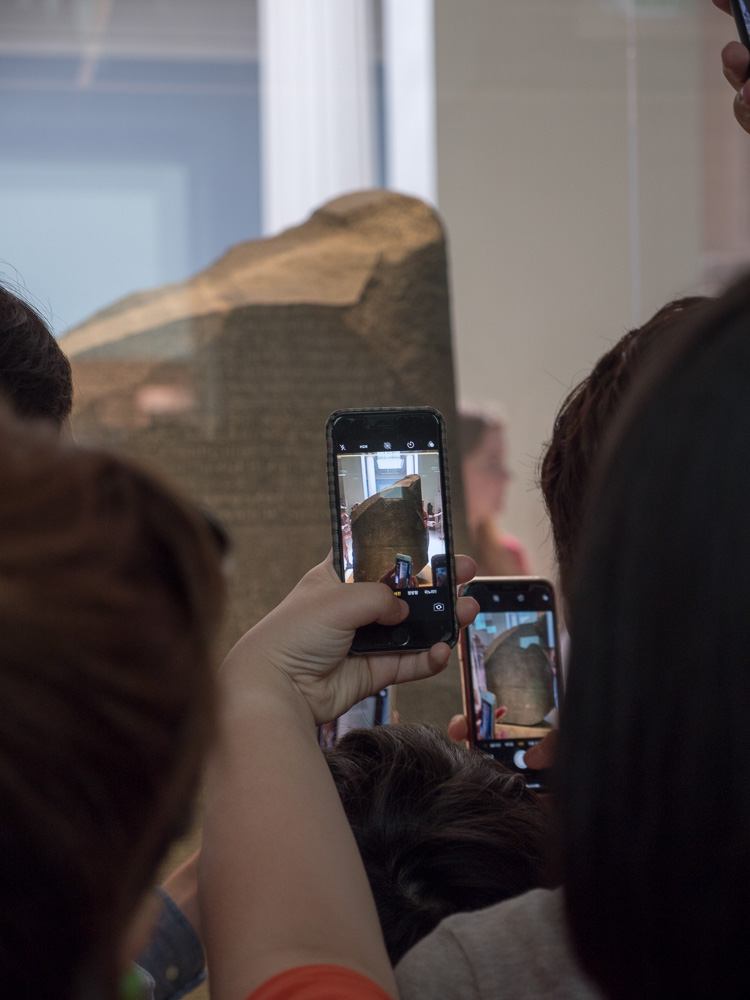
There is the Rosetta Stone, which is reminiscent of the Mona Lisa at the Louvre with its crowds three and four people deep around it, all with hands held high snapping photos. No one can actually see the Rosetta Stone through the crowds, and few appear interested in a first-hand view.
The museum also boasts one of the earliest mummies found, from 3400 BC. There is the beautiful stela of King Peribsen from the early 2000’s BC and other gorgeous statues from ancient Egypt’s kingdoms.
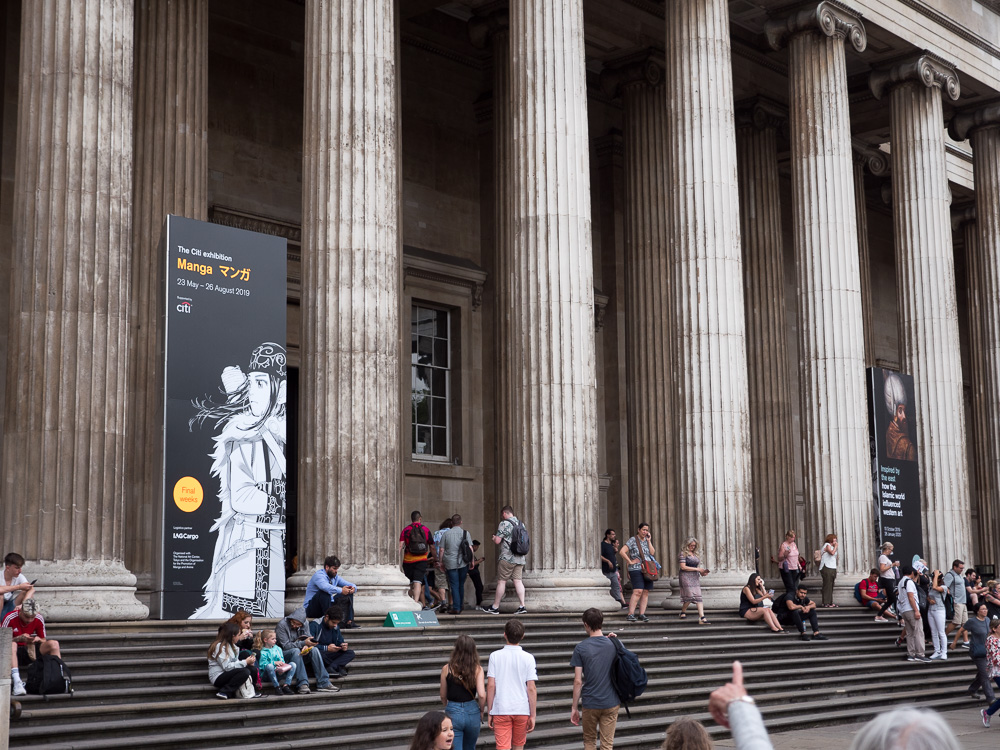
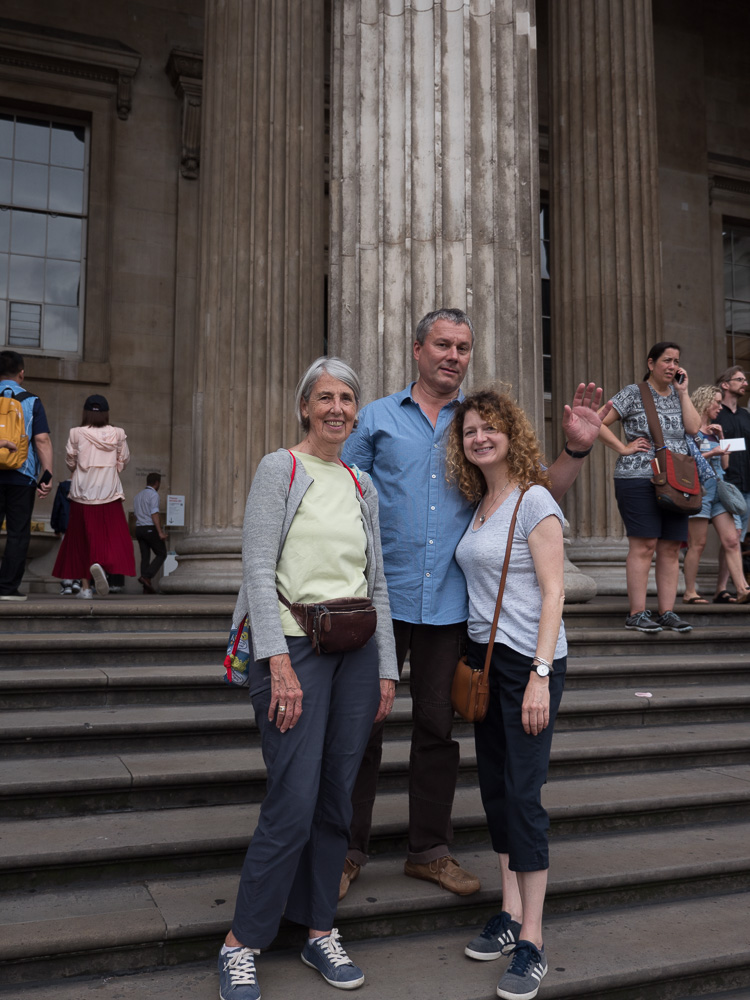
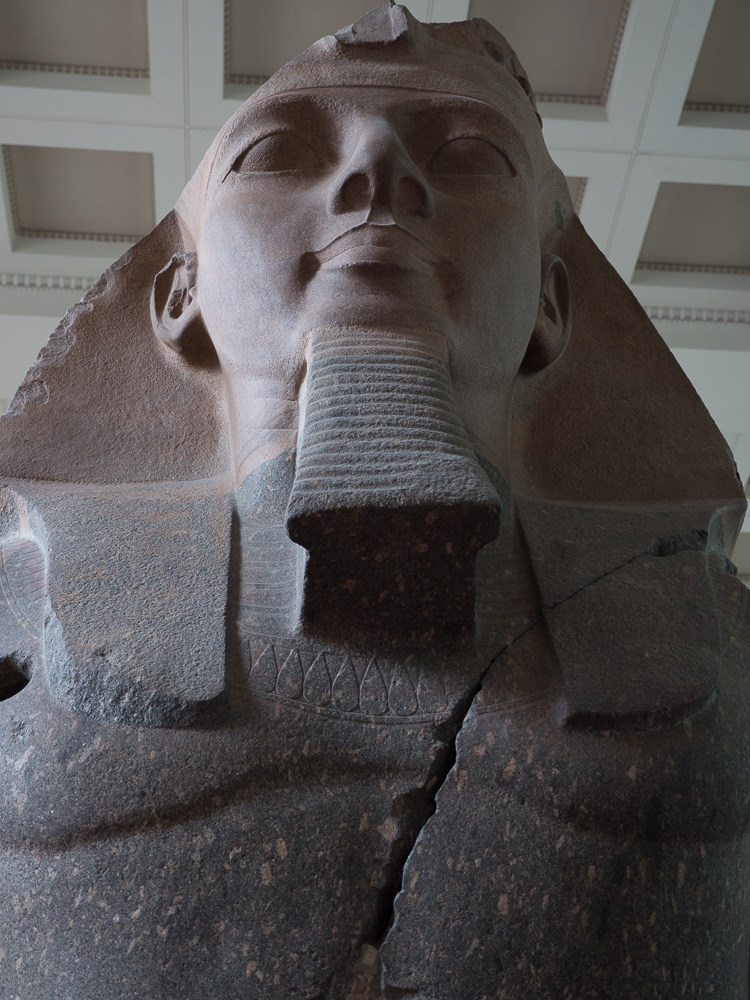
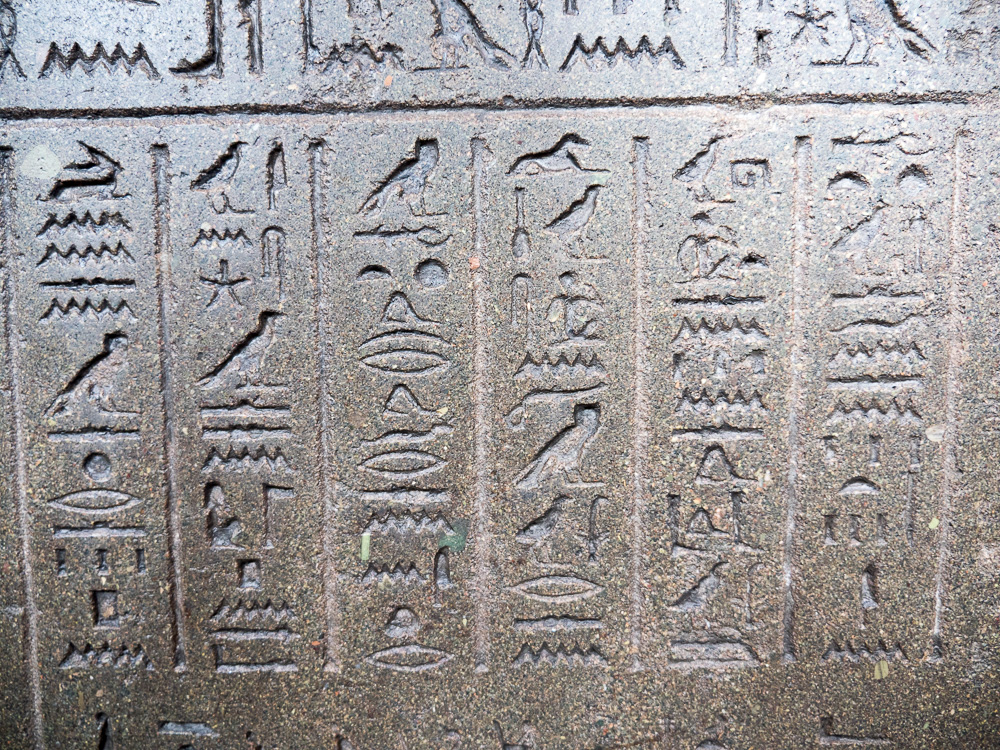

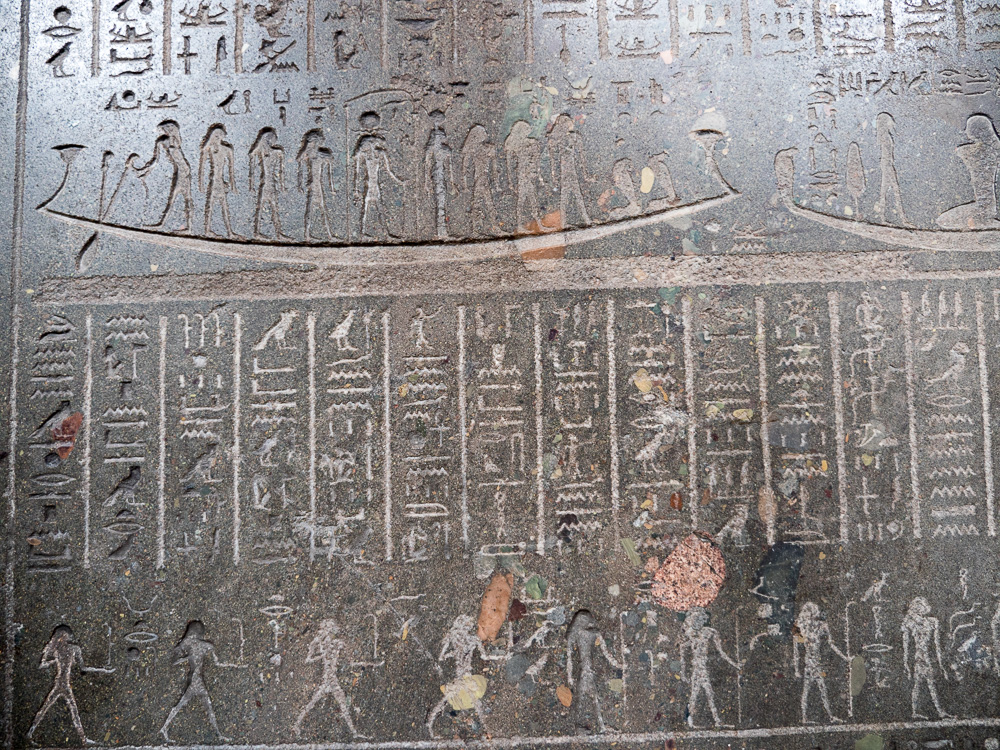
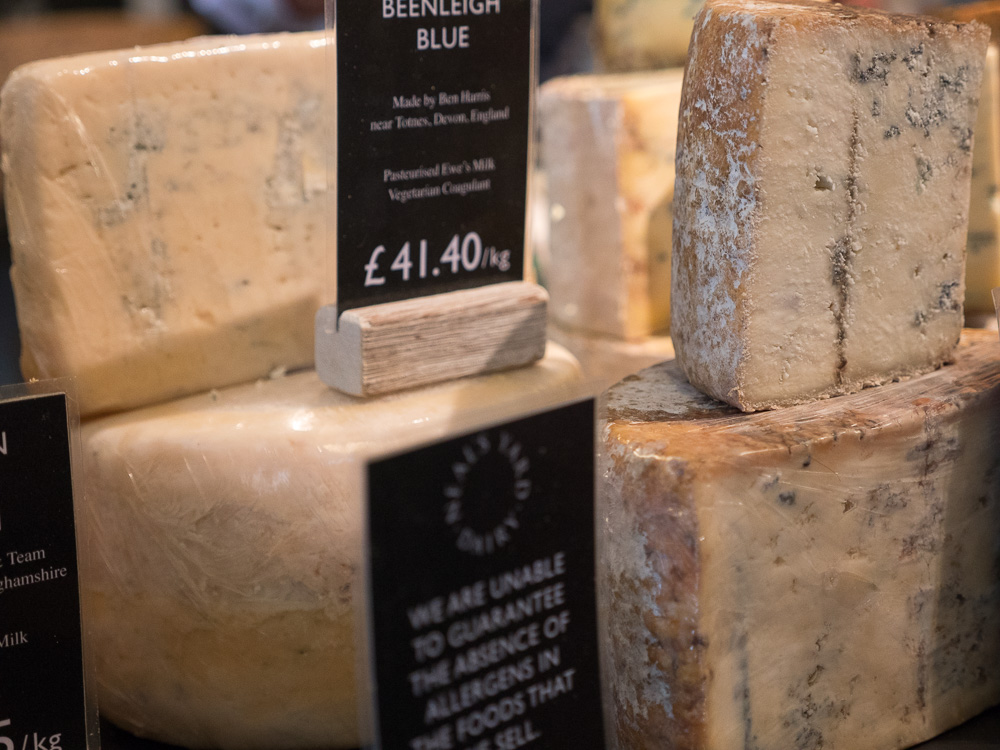
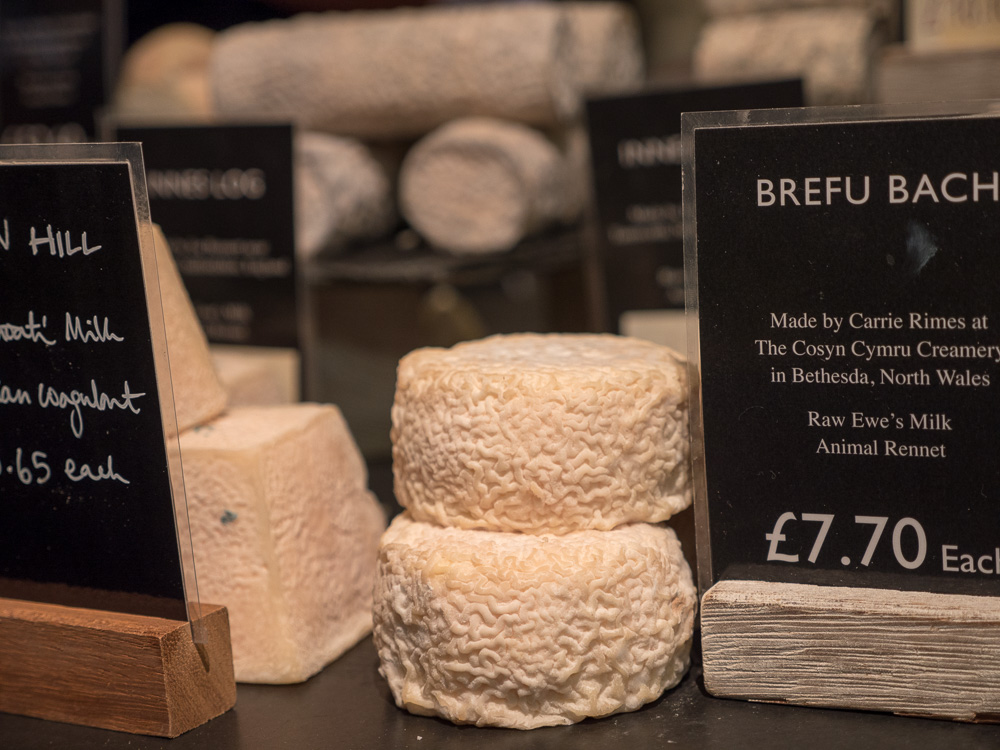
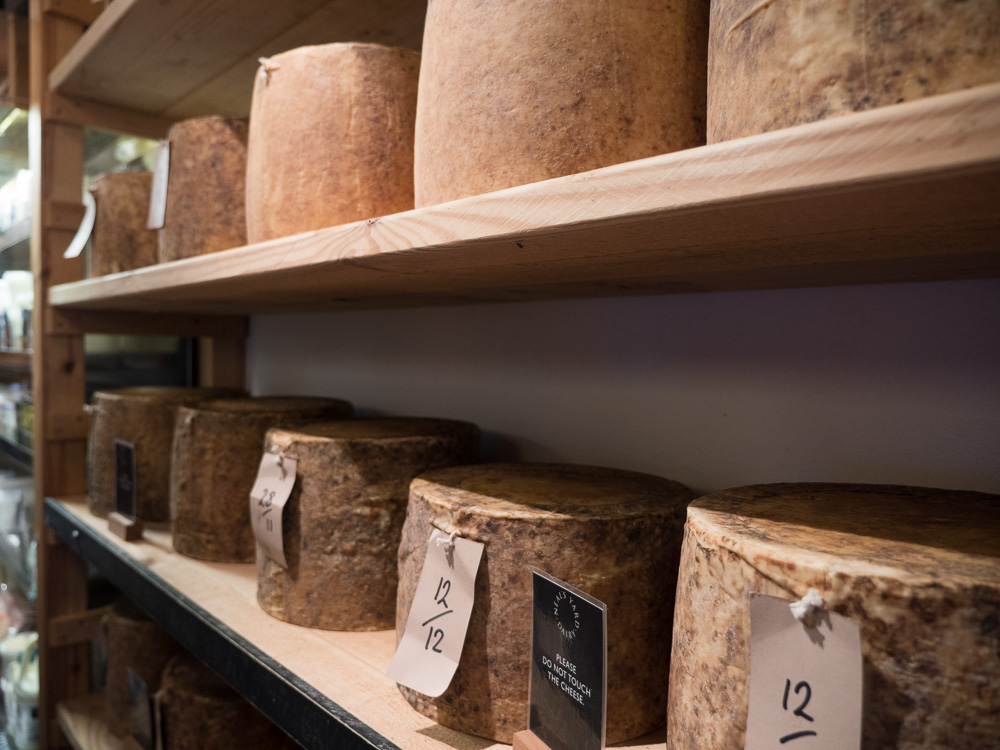
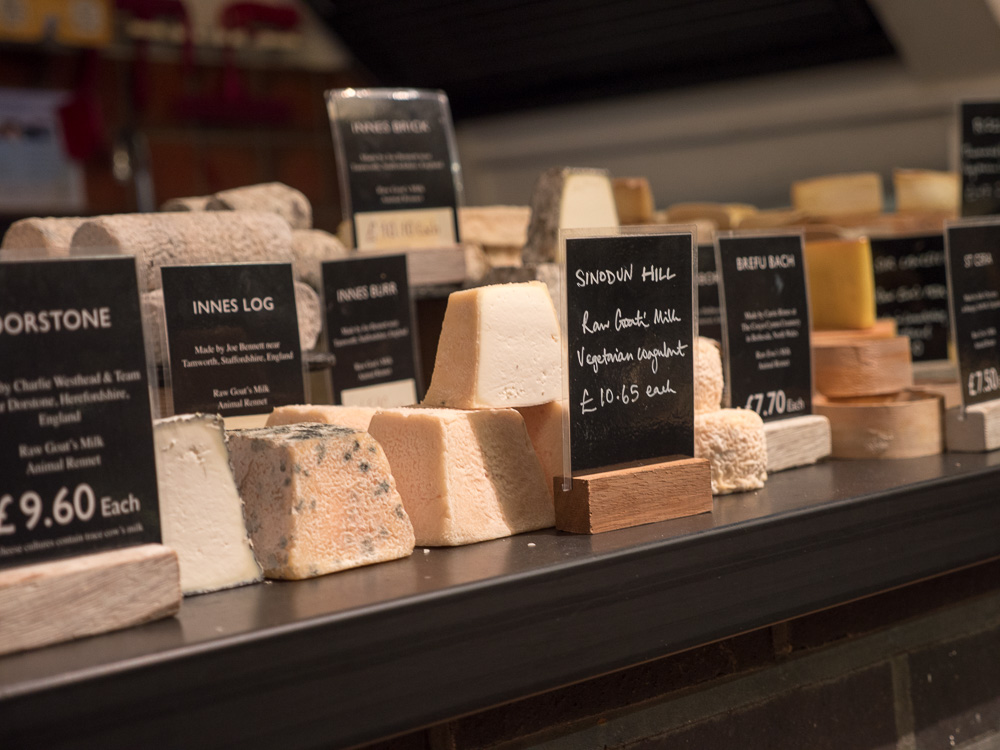
The main floor galleries were jammed with viewers. We braved the crowds for a couple of hours but then retired, exhausted, to walk around the city in search sustenance in the form of British cheeses at Neal’s Yard Dairy.
We returned to the museum a few days later to visit the third floor Egypt galleries where we were again overwhelmed by the crowds of parents and kids. Instead, we went in search of Rembrandt’s etchings and sketches, beautifully presented in two quiet galleries with only adults, and then just a few. The calm of the monochromatic art and peaceful space was meditative and lovely — a great tonic.
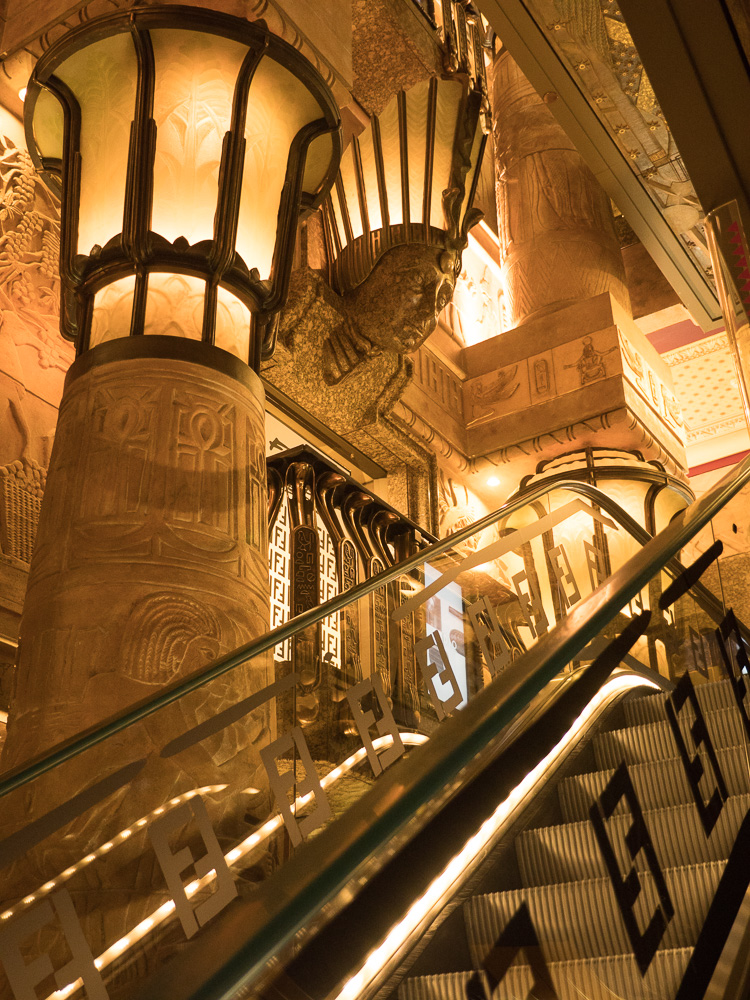
Our next Egyptian experience was more kitsch—the Egyptian Escalator at Harrods, the elegant upper crust department store now owned by Qatar. Harrods opened England’s first moving staircase in 1898. One hundred years later the store debuted the country’s only “Egyptian” one to prove that efficiency and style can operate in sync. The 16 new escalators are clad in “bespoke” bronze; Dale Chihuly chandeliers reflect all the glitter.
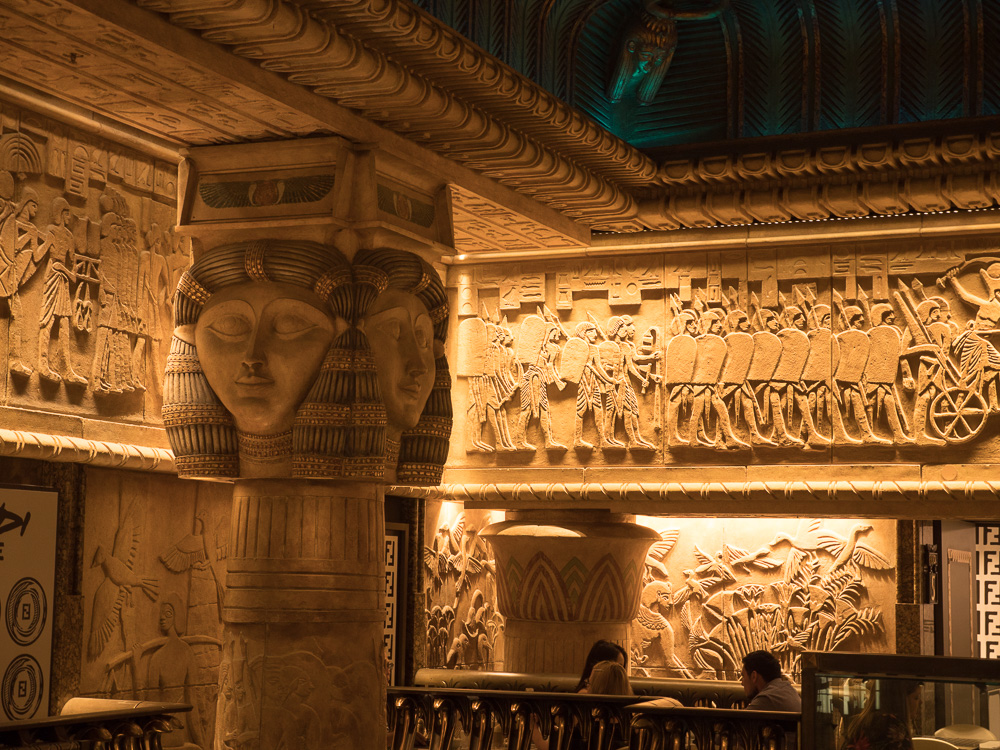

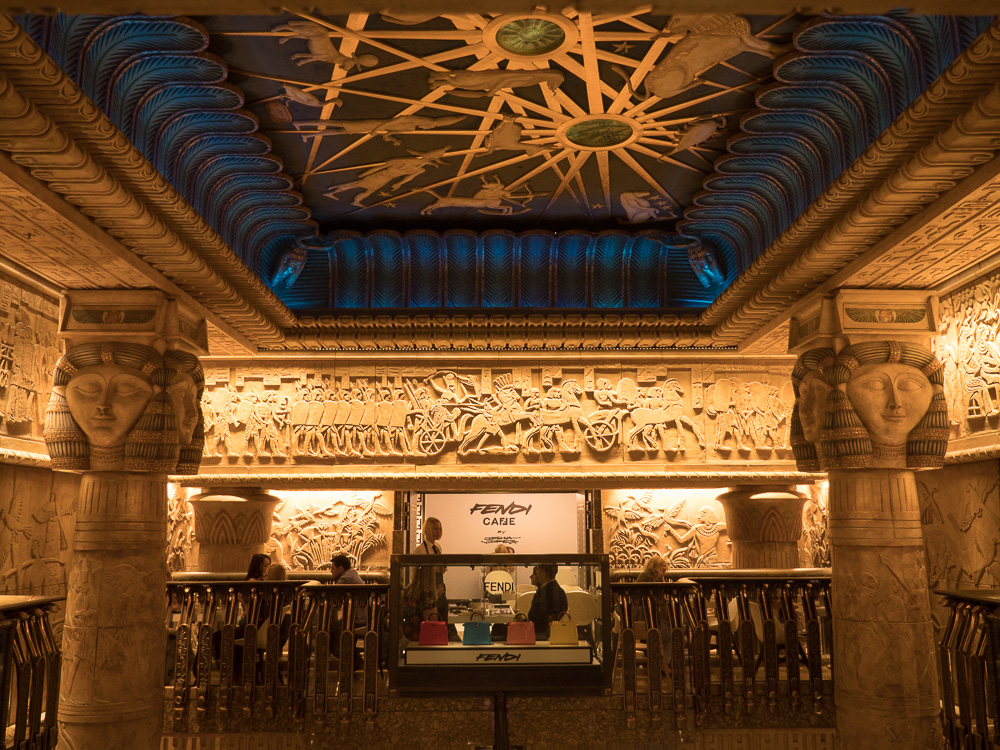
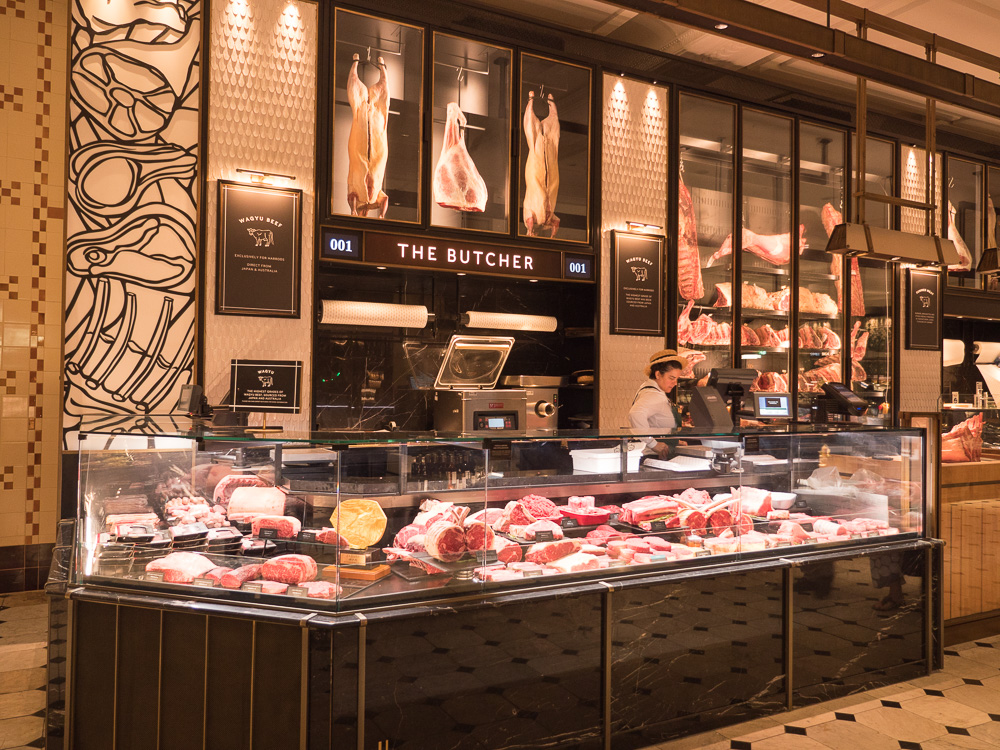
Harrods has been around since 1834 and over time extended credit to the likes of Oscar Wilde and Charlie Chaplin. The store’s 330 departments sit on 5 acres in the middle of London. While the Egyptian escalators were amusing, we were more impressed with the food hall, with its sides of beef aging in meat lockers lining the wall of the meat department and its cupboards full of cheese in various stages of affinage above the cheese department counters.


A side note: Mohammad Fayad, an Egyptian living in London, was chair of the Harrods board for many years and is responsible for its sale to Qatar. His son, Dodi, was dating and died with Princess Diana. There are two memorials to the couple in the store.
 Keeping up with Pat and Maurice