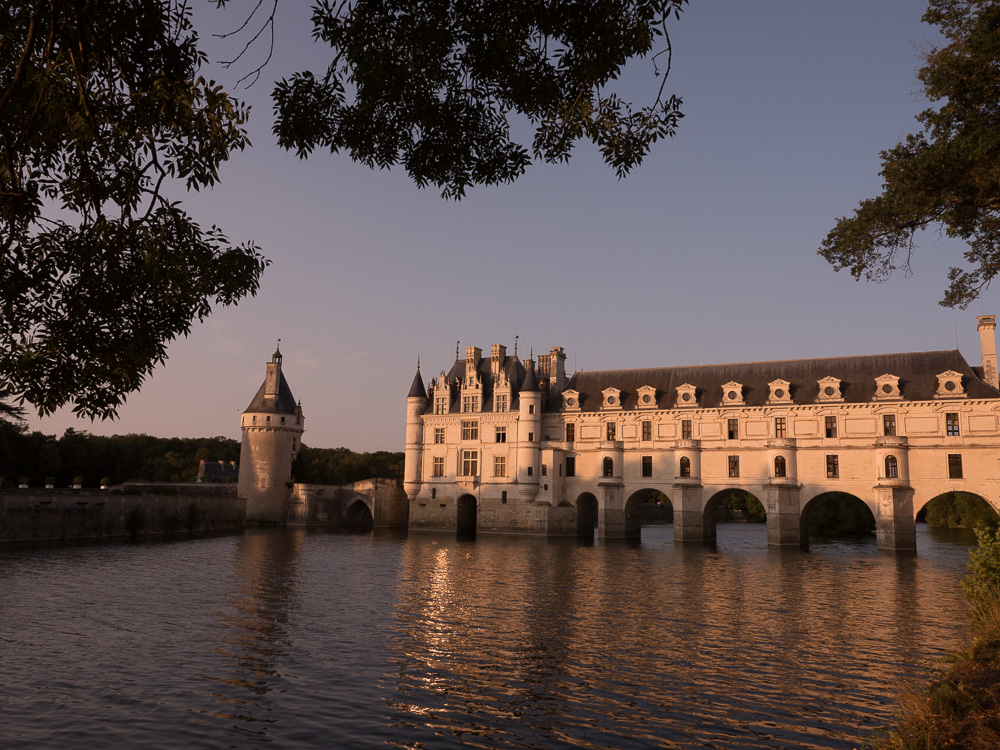
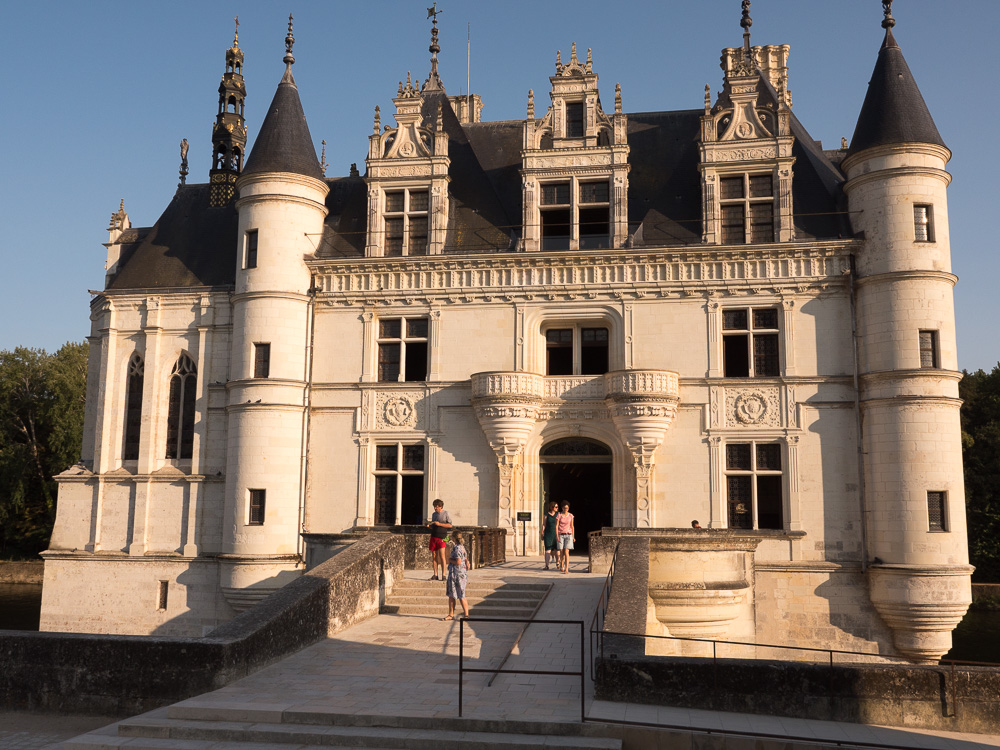
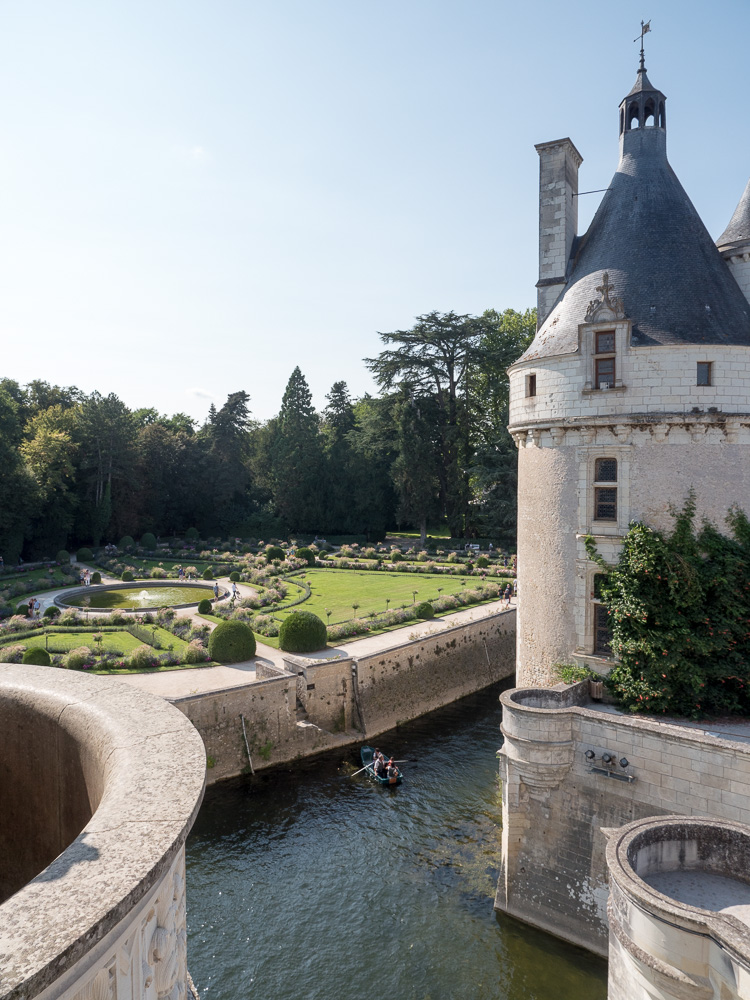
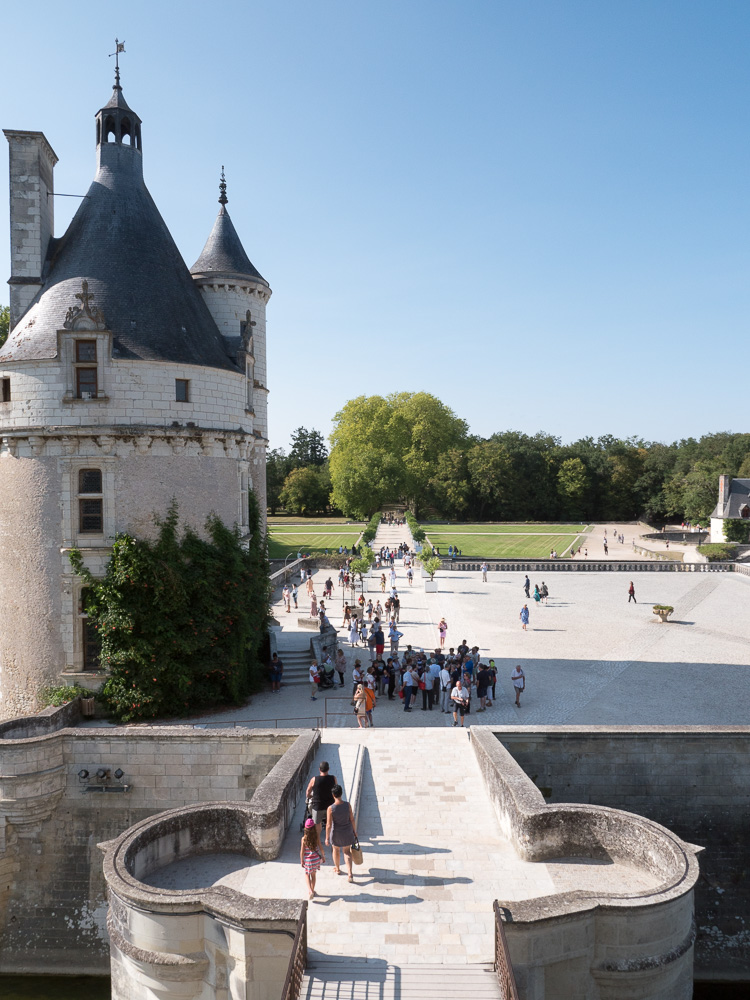
The history and design of the Château of Chenonceau was heavily influenced by women, and its appearance reflects the feminine hand. It is a small chateau, full of light. Though mentioned in writings from the 11th century, the current building began on the ruins of an old mill in the early 16th century, and later expanded over the River Cher first as a bridge, then topped by a two story extension of the castle. It is this feature, often photographed, that makes Chenonceau perhaps the loveliest of the Loire valley chateaux.

After the original building was torched in 1412 to punish a seditious owner, who as a result was forced to sell, Thomas Bohier bought it for his wife, Katherine Briçonnet. She loved to throw parties and set about making the castle — her “Château des Dames” — an attractive and comfortable setting for guests. Katherine’s initials are found intertwined with Thomas’ in the oldest part of the chateau.
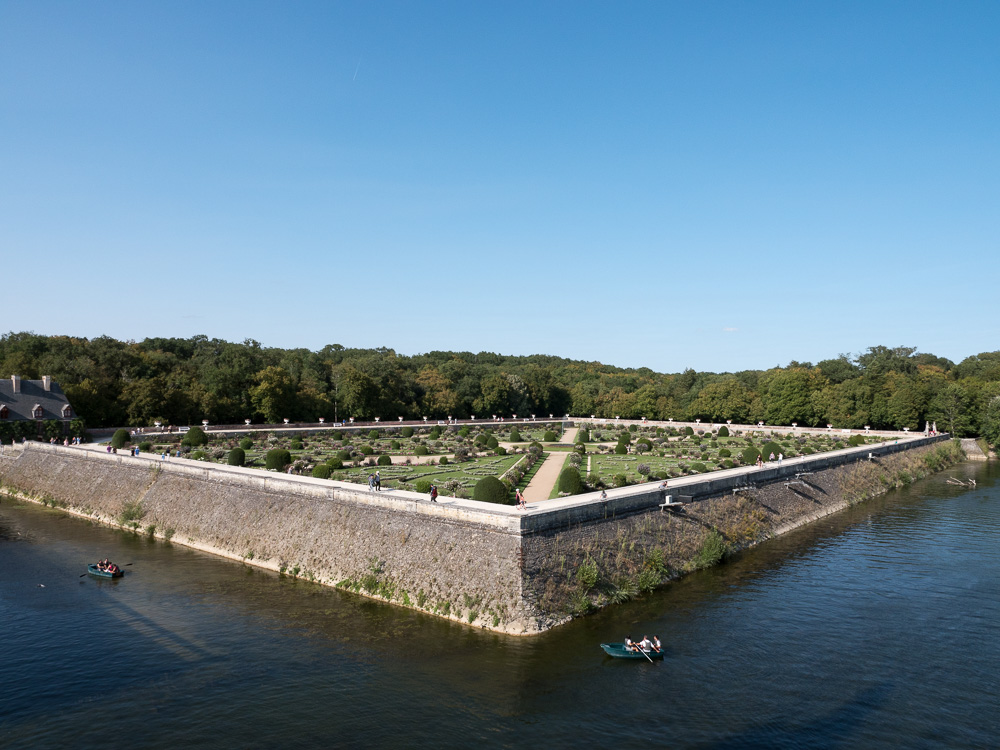
Chenonceau was seized by the crown from Katherine’s son for unpaid debts, and its use given by King Henri II to Diane de Poitiers, his adored mistress, who is most closely associated with the chateau. Diane was beautiful, but also a savvy businesswoman, excellent athlete, an apt student in the arts of the drawing room. Diane commissioned the bridge over the Cher and the castle’s beautiful gardens. In her time, she was the most influential woman in the country, and (at the King’s request) often wrote Henri’s official letters, signing them “HenriDiane.”
Ownership stayed with the crown so, when Henri died, his widow, Catherine de Medici, took over Chenonceau and moved Diane to a nearby castle. Catherine spent a fortune on the place and is responsible for building the galleries for the chateau on top of the bridge, mimicking the covered bridges she knew from Florence.
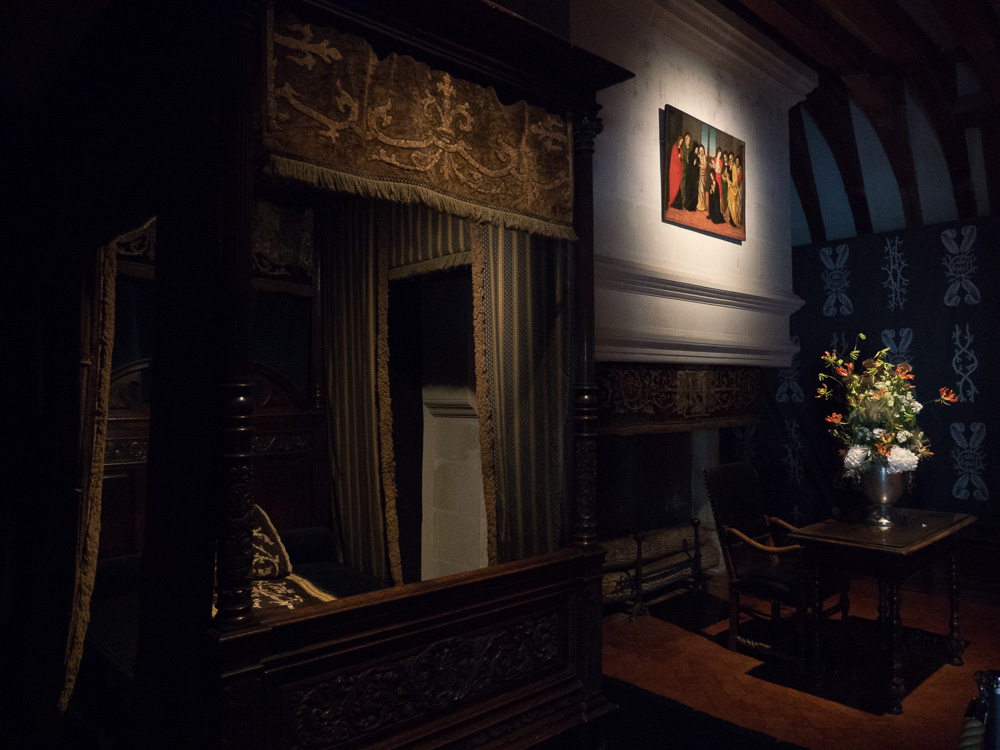
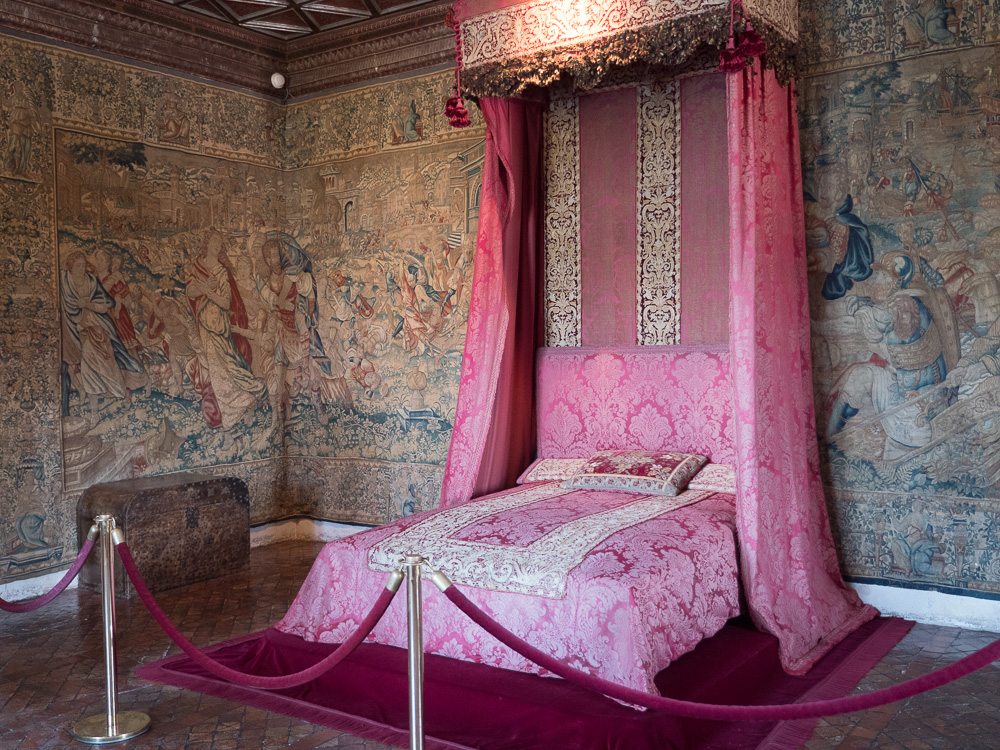
Catherine died in 1588, and the chateau passed to her daughter-in-law, Queen Louise de Lorraine-Vaudémont. Shortly after inheriting Chenonceau, her husband (Henri III) was assassinated, and Louise fell into a deep depression from which she never emerged. Her legacy is a bedroom painted black and today kept dimly lit, requiring a minute for the eyes to adjust.
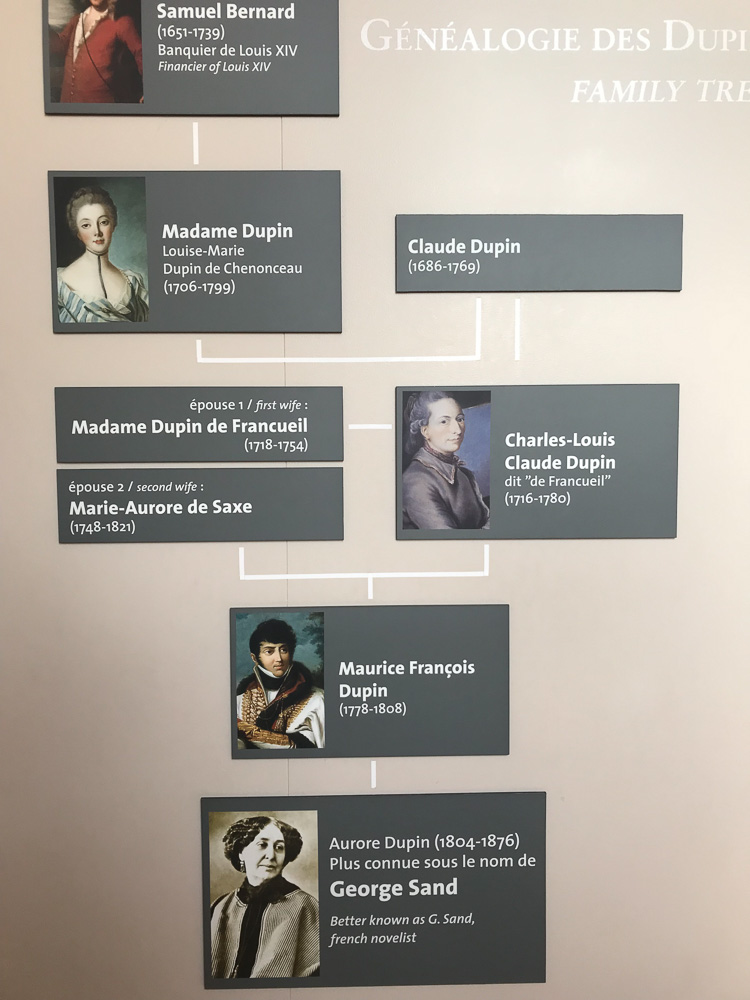
Henri IV gave the chateau to his mistress, Gabrielle d’Estrées, who neither appreciated it nor spent much time there. Then, in 1733, it went to the smart, beautiful, fascinating Louise Dupin, whose literary salons attracted the leaders of the Enlightenment (e.g., Voltaire, who nicknamed Dupin “the goddess of beauty and music,” and Montesquieu). Jean-Jacques Rousseau was her secretary (and apparently quite in love with her). She was a strong feminist who believed women should have access to the same education and public positions as men. She was deeply admired by her great granddaughter, George Sand (Amantine Lucile Aurore Dupin), and an influence on her.
Clever Louise Dupin saved Chenonceau from the Revolution mobs bent on destroying any vestiges of aristocracy by pointing out that the castle was the only bridge traversing the Cher for miles. She died at her beloved castle and is buried on a small hill, not far from it. I visited her grave. In winter, with the trees bare, I am sure she keeps an eye on the chateau.
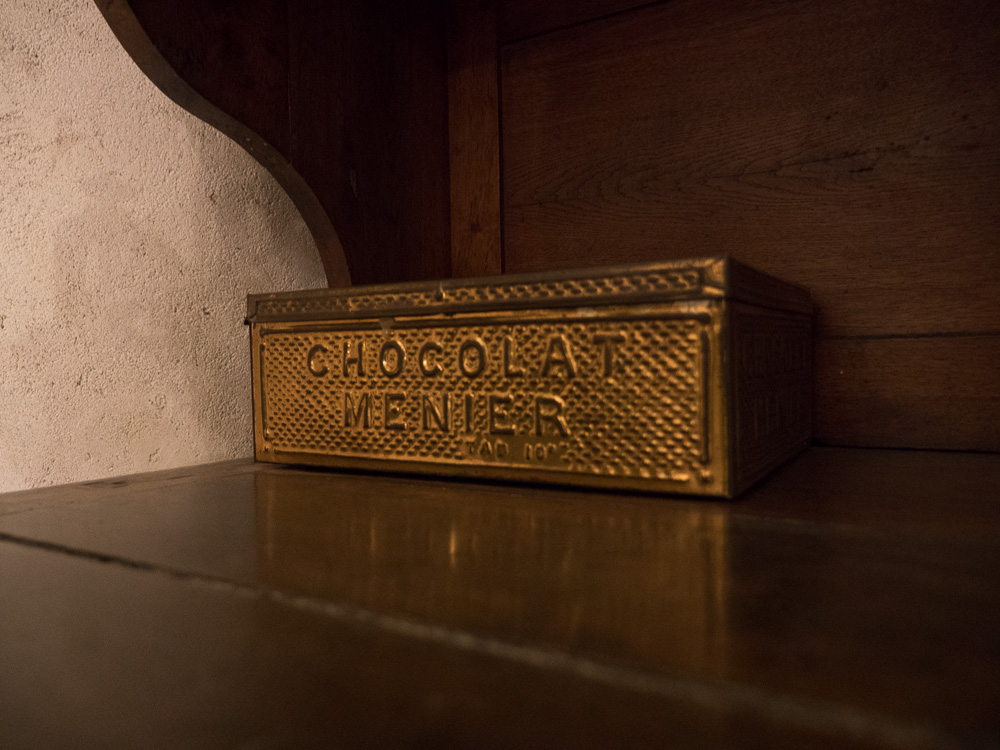
For the next 100 years, the chateau was bought and sold by two other families landing in 1913 with the Menier family, producers of chocolate. Both world wars occurred during their tenure, and Gaston Menier established a hospital for WWI wounded soldiers in the long gallery spanning the Cher. Over 2000 soldiers were cared for at Chenonceau. Between 1940 and 1942, the galleries became an escape route for those fleeing Occupied France for “Free” France, on the other side of the Cher. The Allies bombed Chenonceau, destroying only the chapel. After the war, happily for us, the Meniers rebuilt it. Chenonceau is now owned by the state.
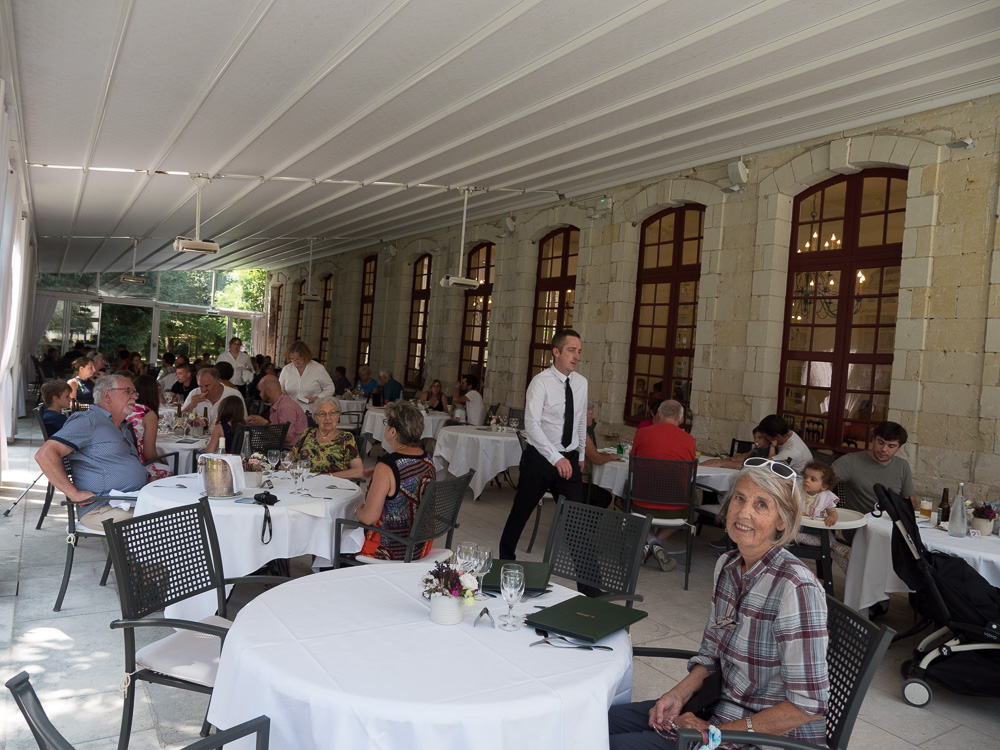
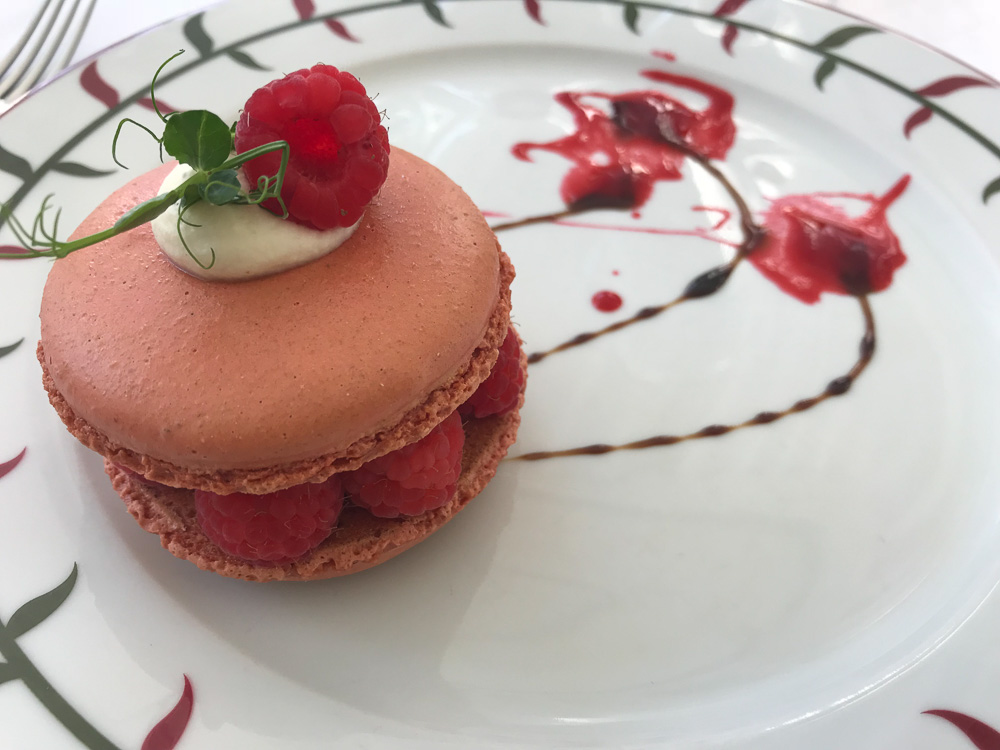
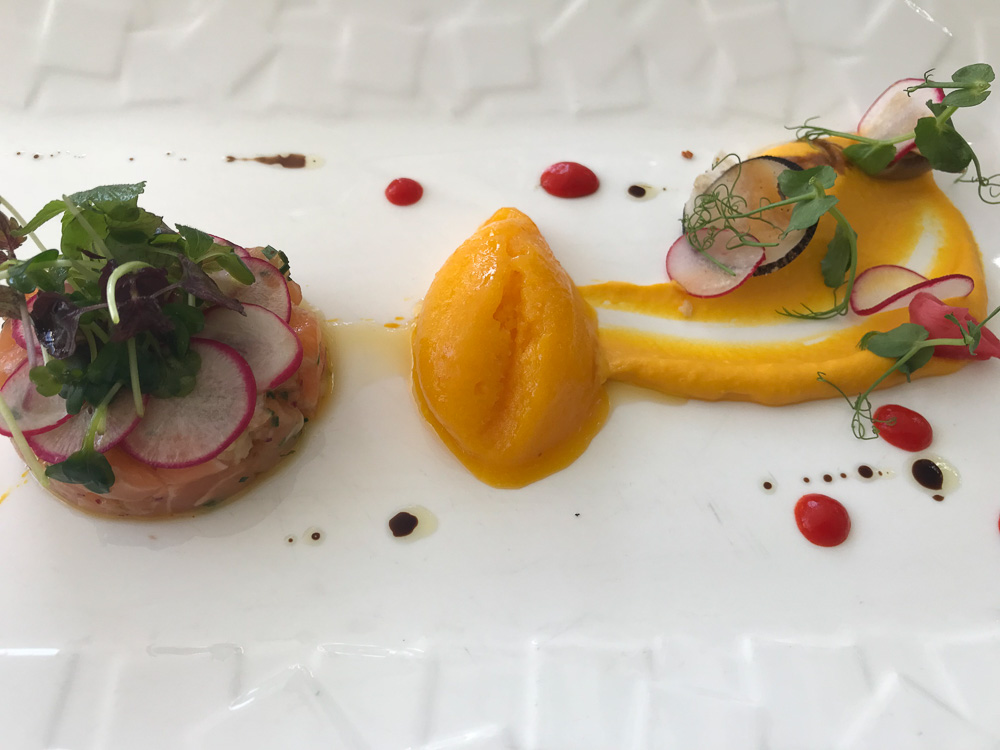
Our Chenonceau day began with lunch in L’Orangerie, a good restaurant in the castle’s traditional winter storage building for lemon and orange trees (hence, lots of windows).
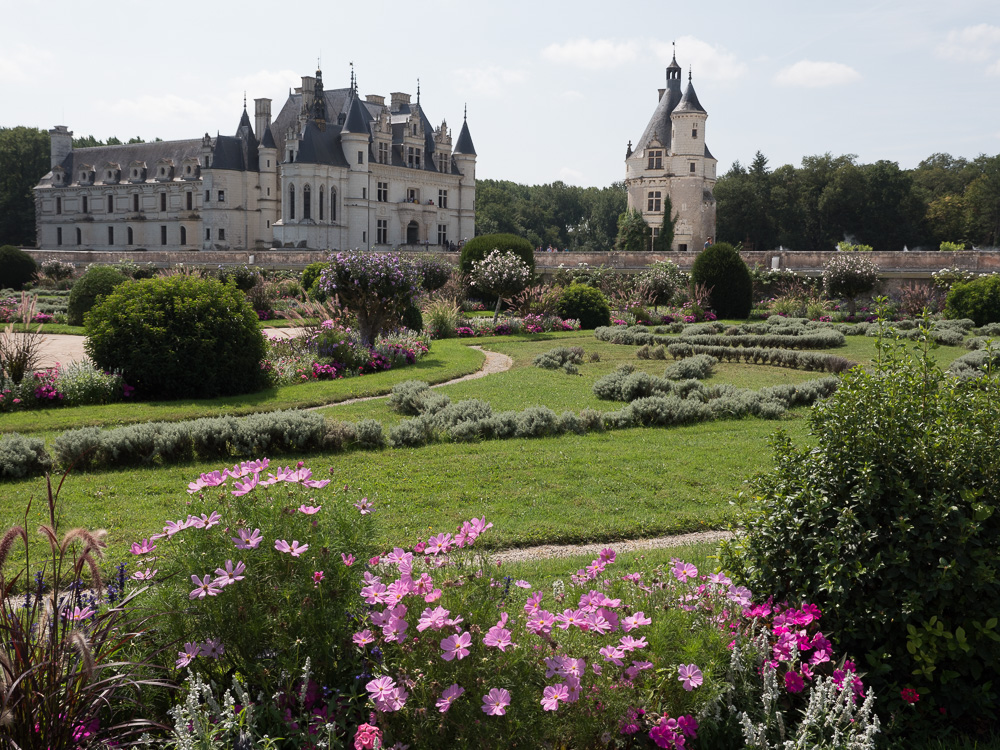
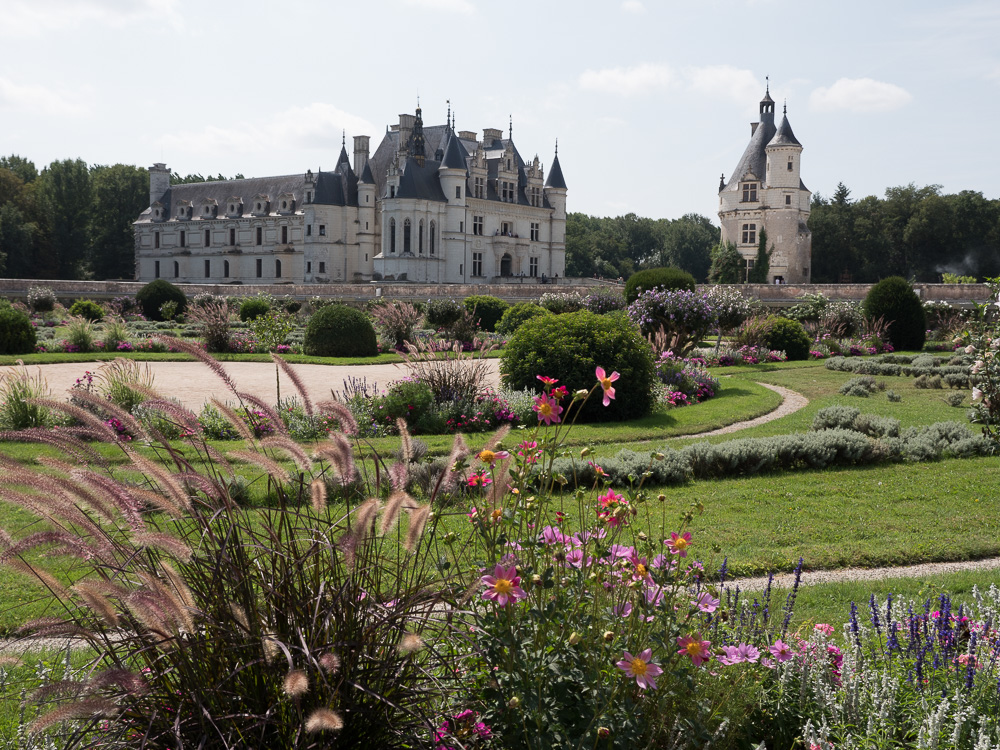
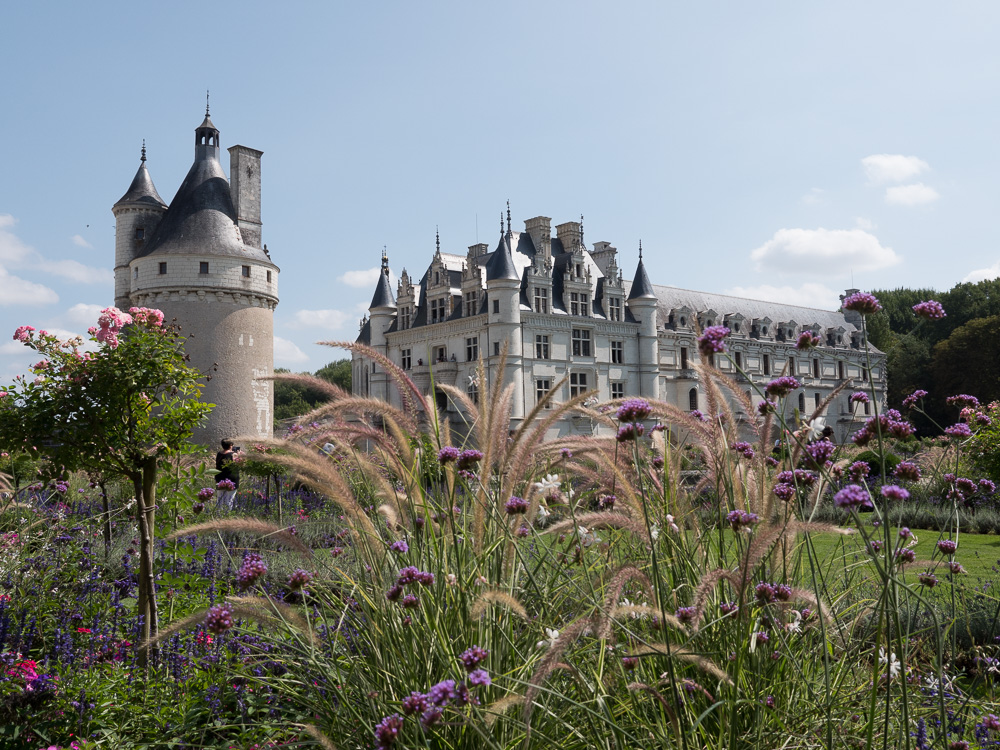
While waiting for our reservation time, we walked in the elegant gardens and watched the Cher flow under the chateau’s arches. The weather was perfect and boaters dotted the water’s surface.
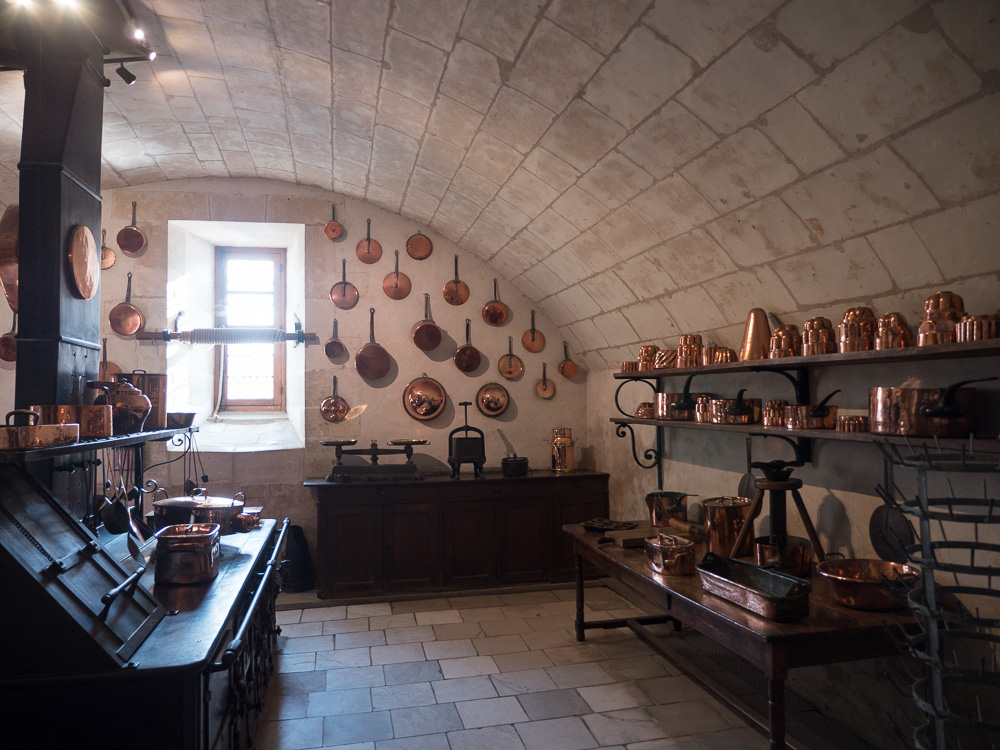
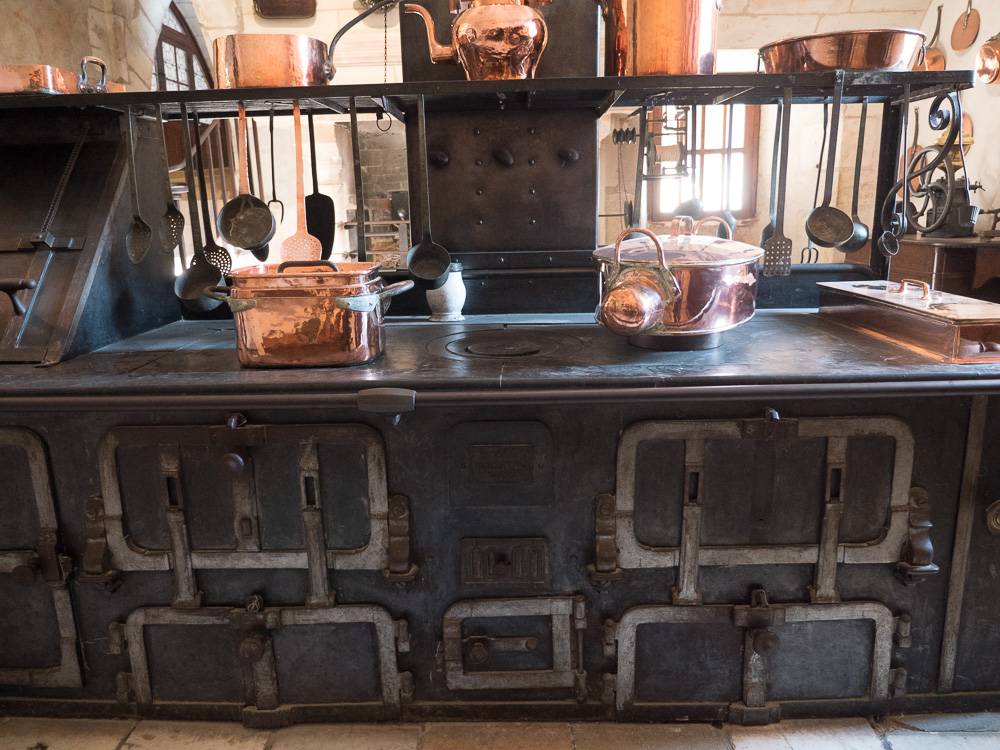
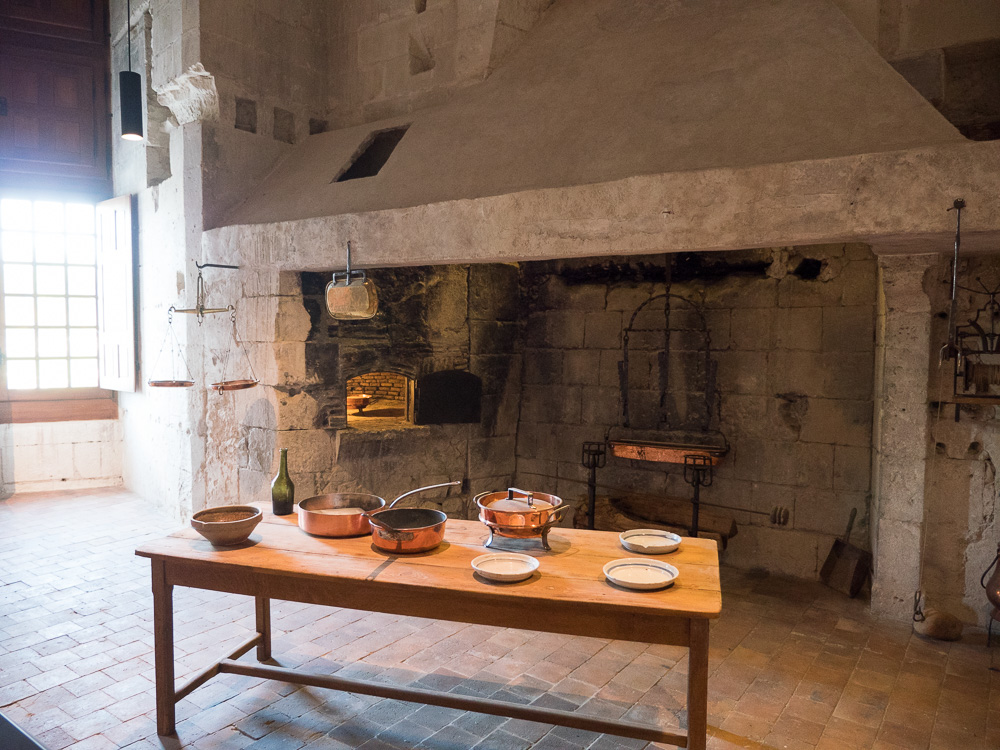
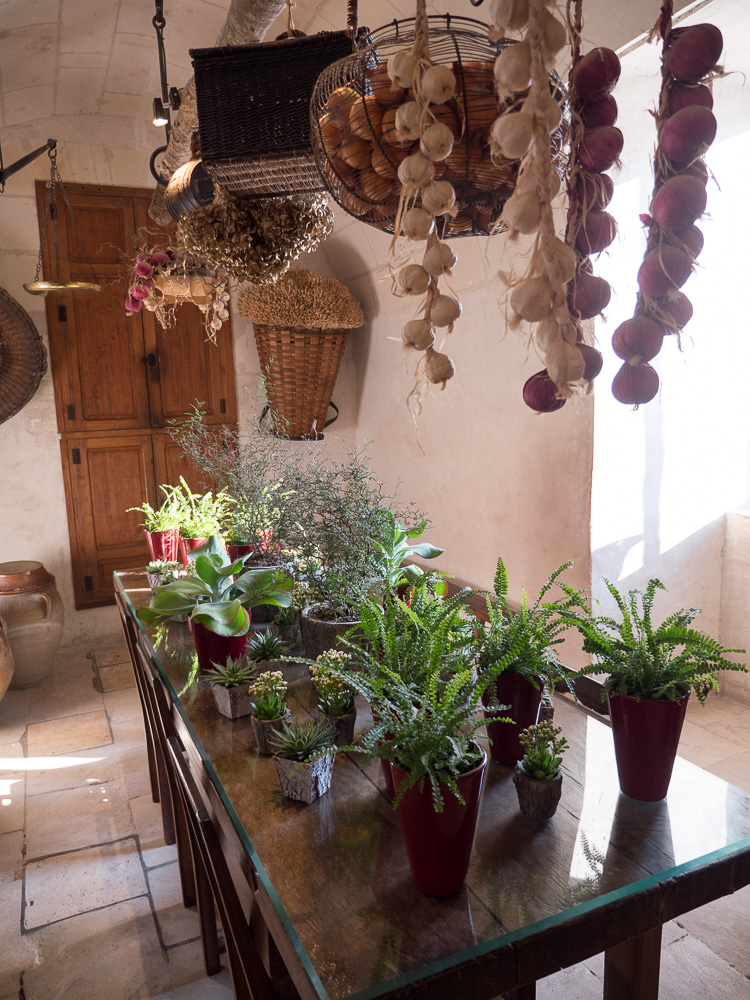
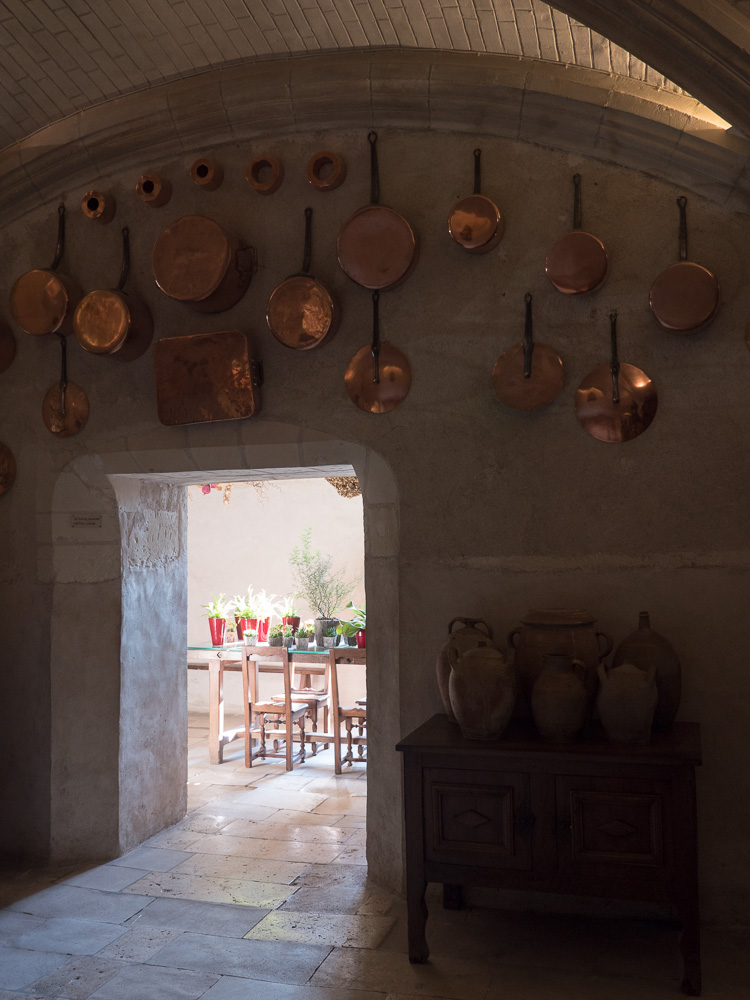
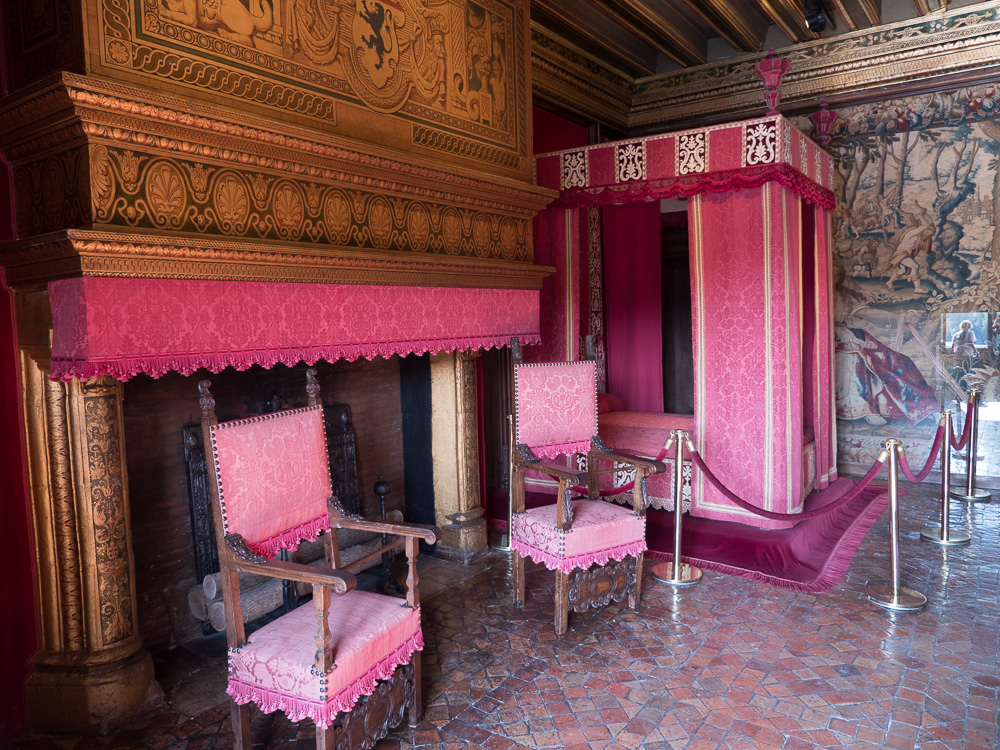
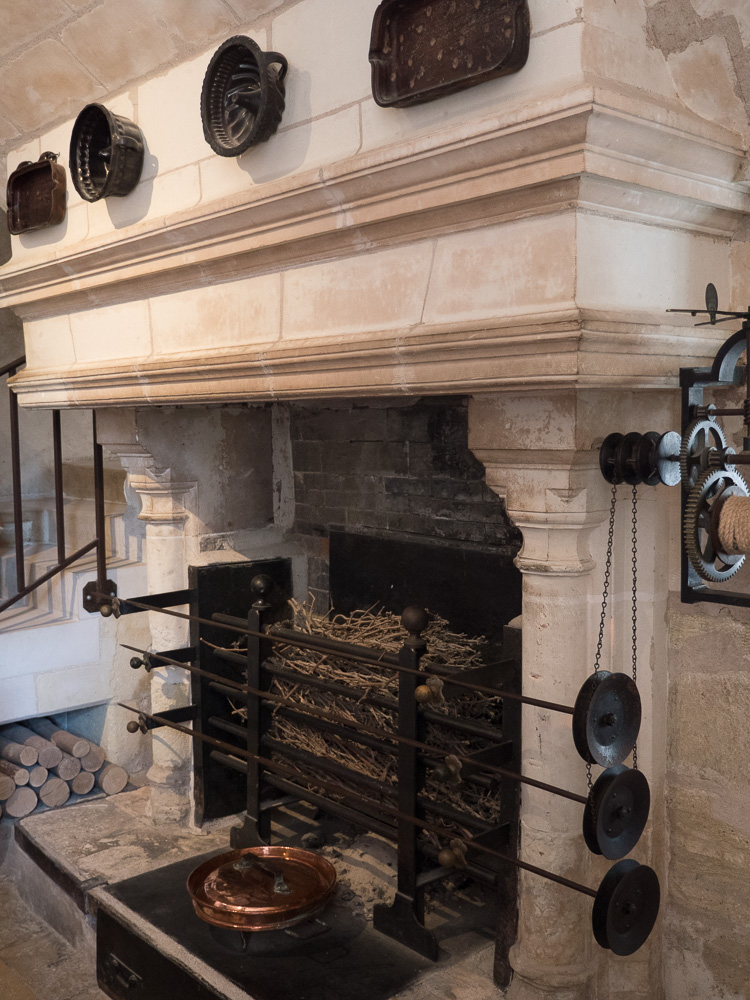
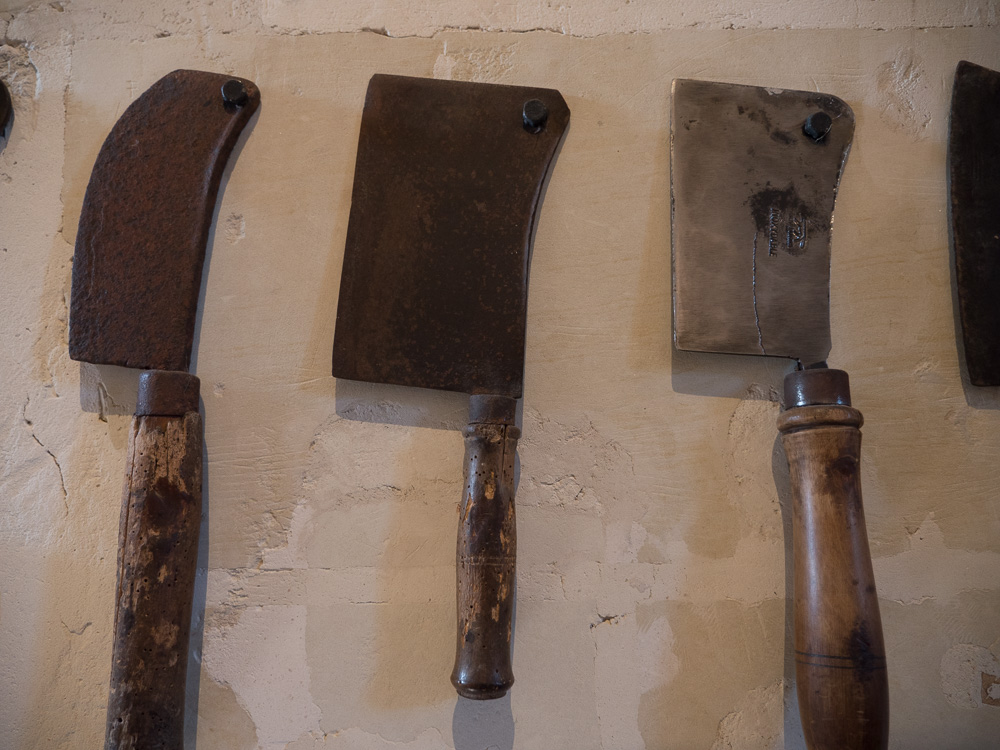
Fortified by wine and all that goes with, we toured the chateau. The kitchen was fascinating, especially as many utensils are basically unchanged from their original and long-ago design.
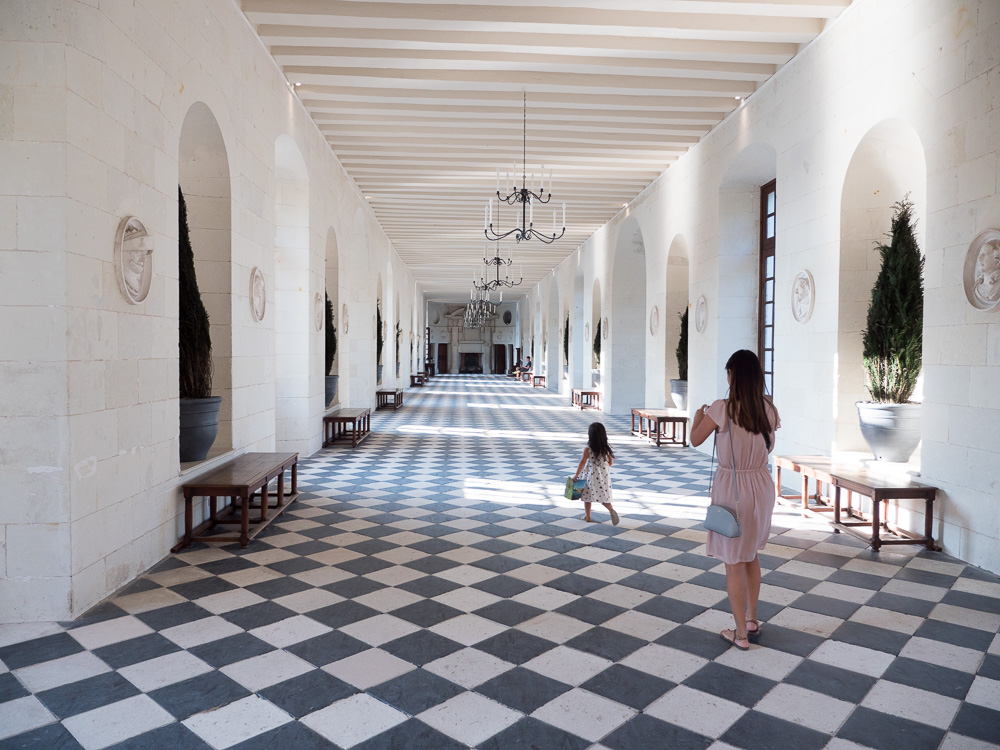
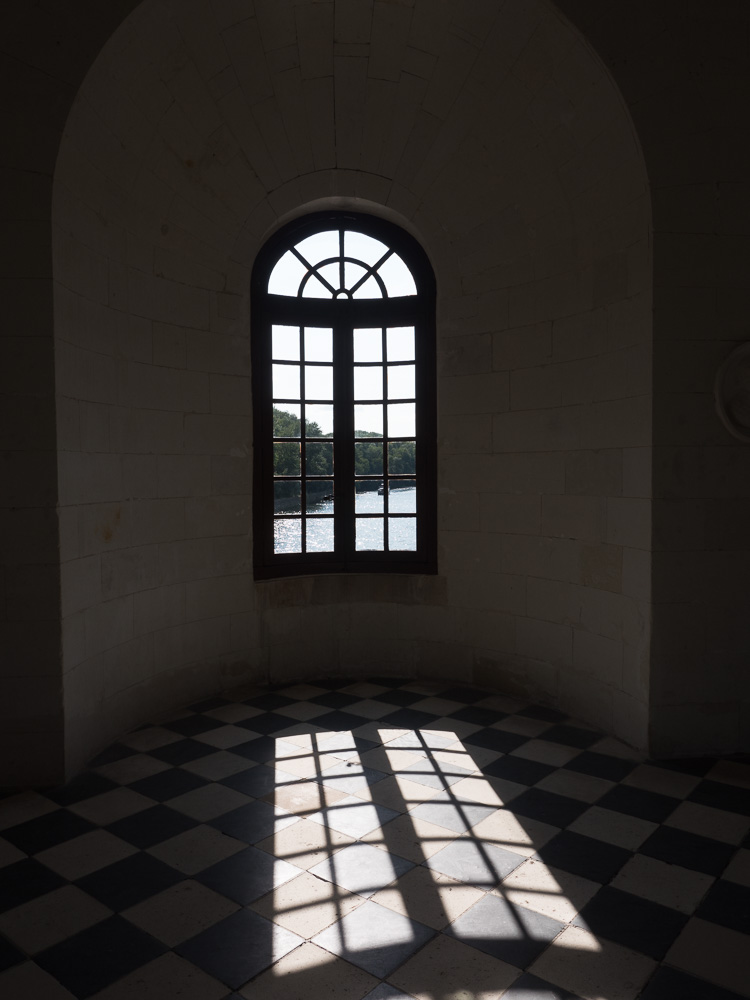
My favorite rooms though were the two galleries spanning the river, with their tall windows, high ceilings and, on the second floor, magnificent fireplaces. In the upstairs gallery, too, was an exhibit about the castle and the women who cherished it.
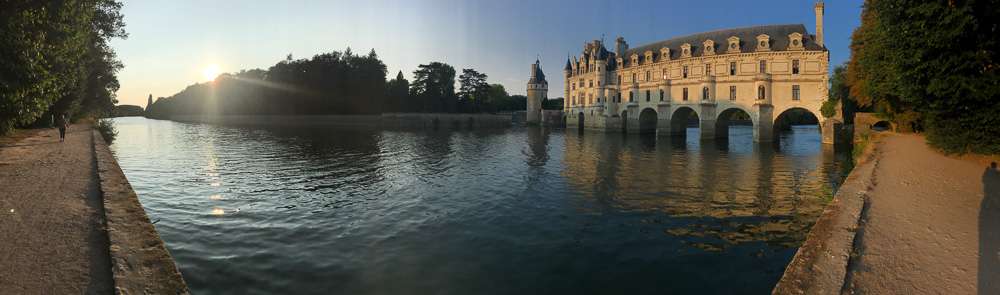
By the time we were ready to leave, the drawbridge between the castle and the wooded side of the Cher was raised, cutting us off from some of the best views of the chateau. The bridge guard pointed out another bridge, carrying a road over the river downstream. We were thus able to cross the Cher, and walk the wooded banks until Maurice found the perfect vantage point, before concluding one of our best days in the Loire Valley.
 Keeping up with Pat and Maurice