
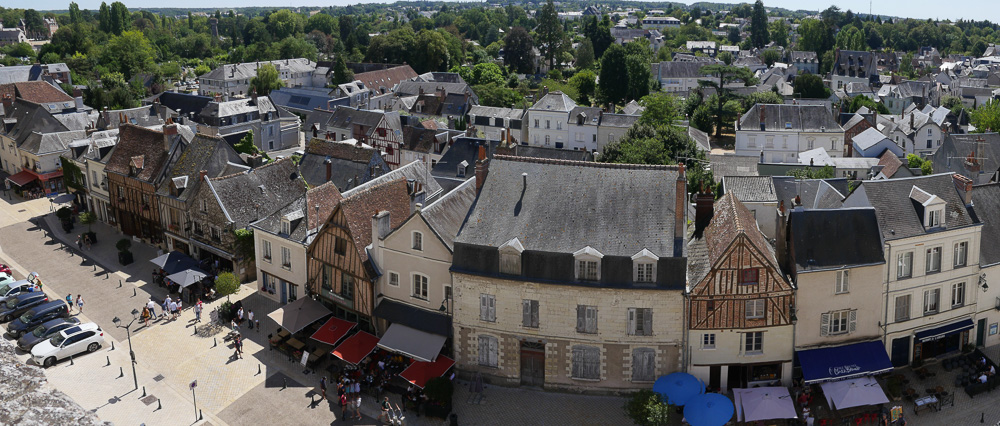
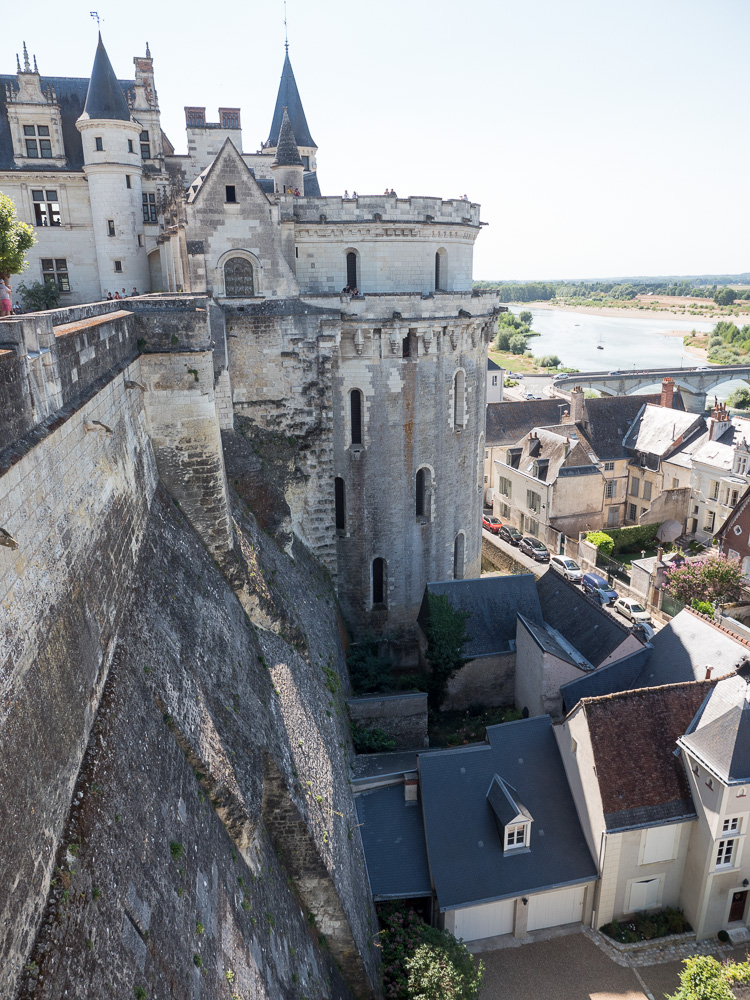
What a pleasant sight is Amboise, perched on the Loire river and, at the end of August, full of flowers and pretty houses. Kings lived here in a chateau, high on the promontory that offers such a good defensive lookout it’s been inhabited by humans at least as far back as the Bronze Age.
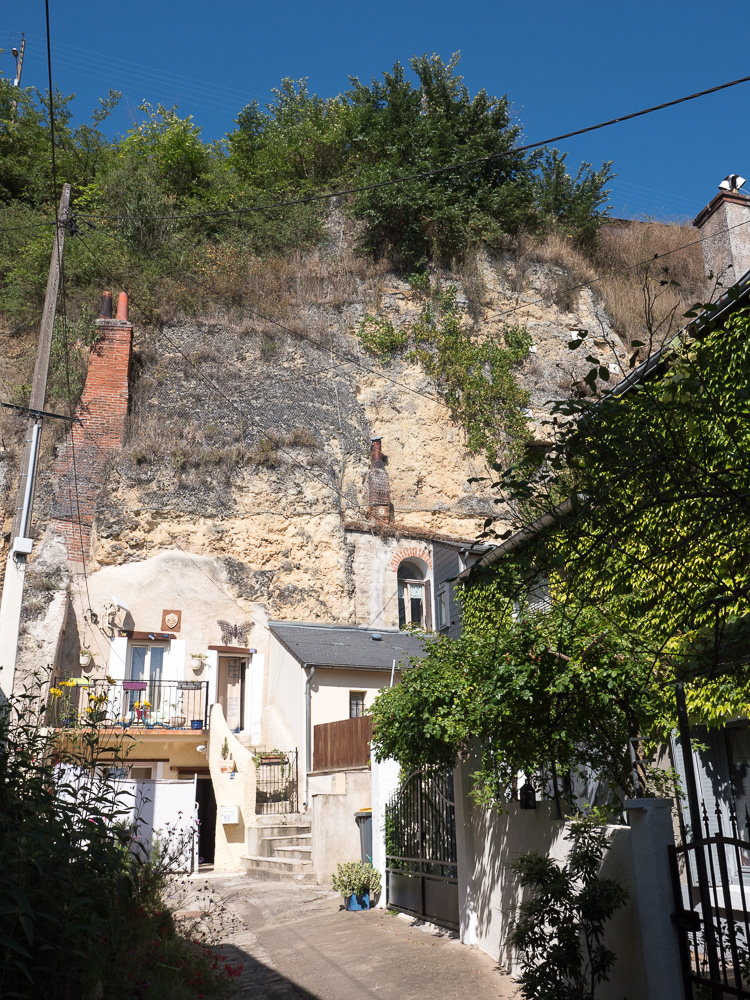
Leonardo da Vinci lived here as did, and do, “troglodytes” or inhabitants of caves and grottoes carved out of cliffs. Also called “Roman granaries,” they are cool and dry enough for storage or to use as part of a home, one that has the advantage of being tax-free for the cave portion, since no building was erected.
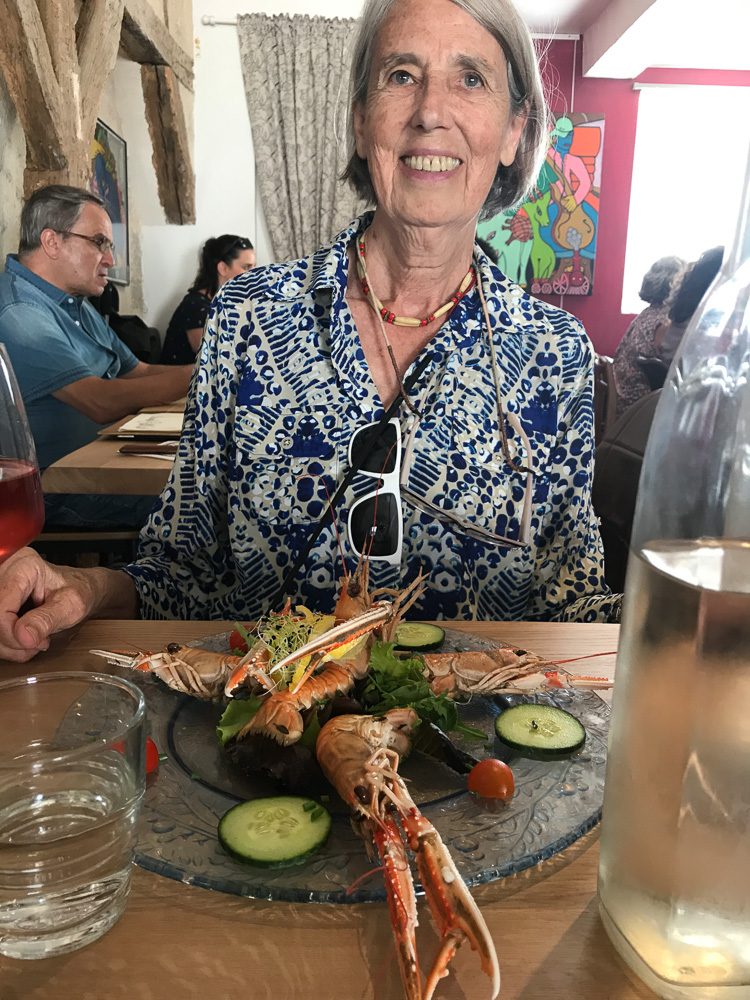
We arrived by train and walked over the river to the town. As is often the case, we arrive at our destination by the national lunch hour, and so lunch was first on the agenda.

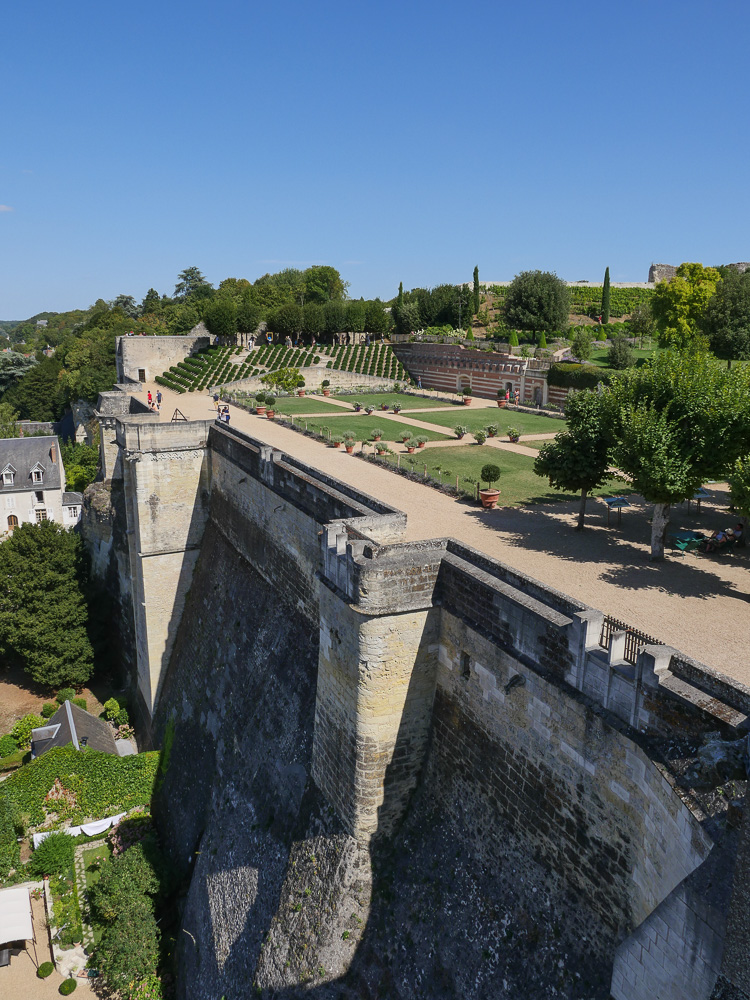
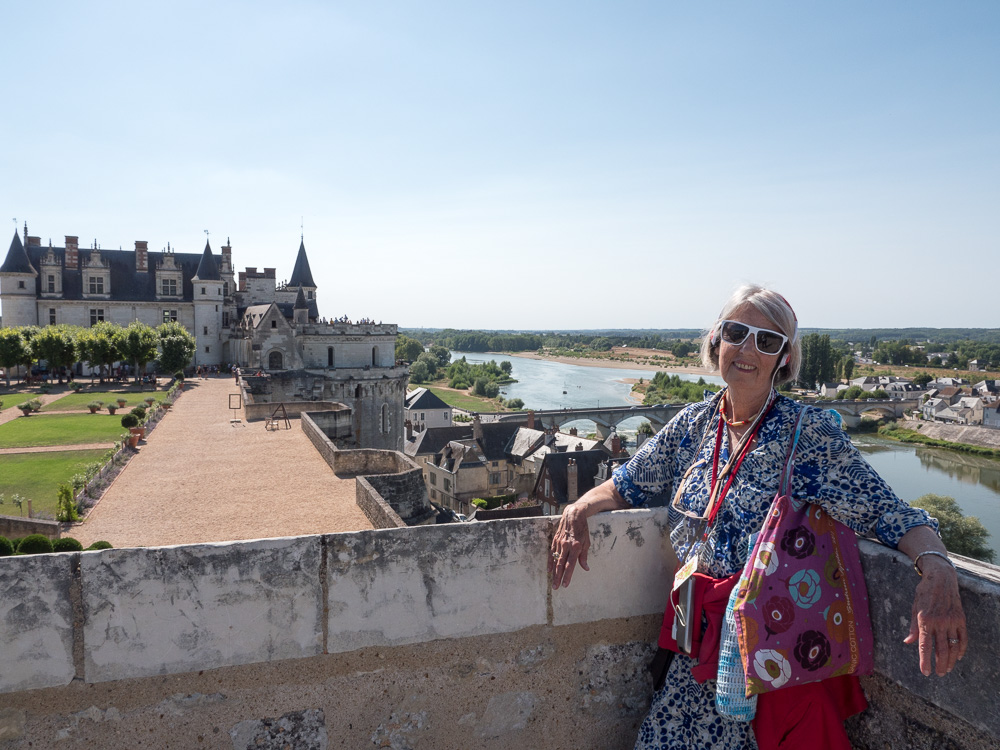
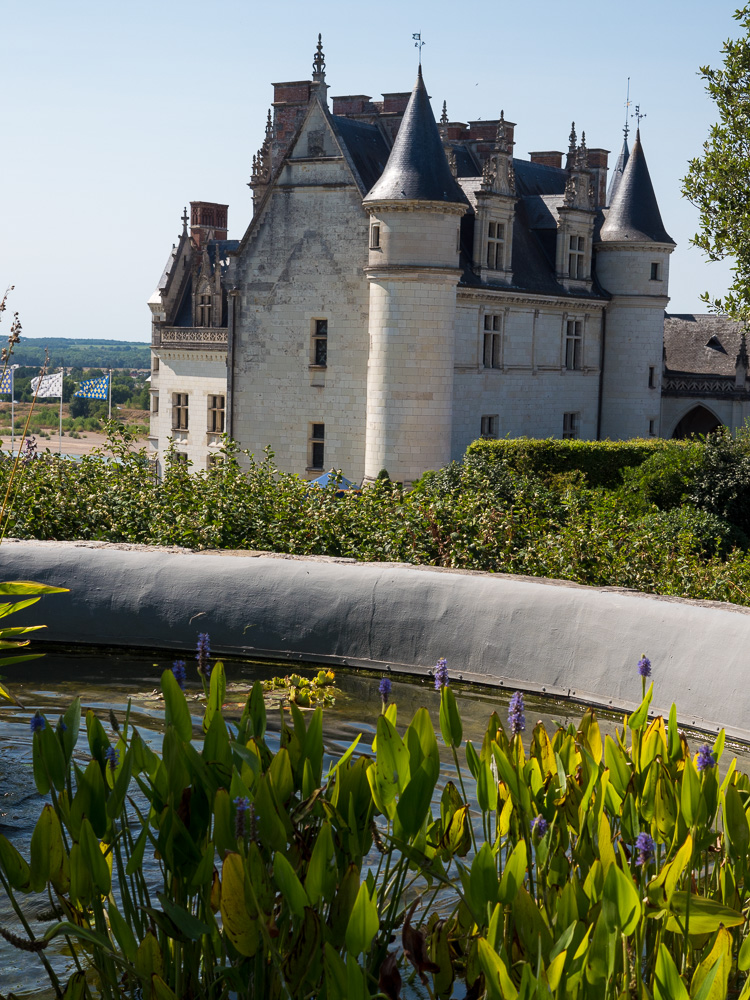
Then we hiked to the chateau to see the rooms and stroll around the beautiful gardens. Due to the height of the site, and the river valley spread below, the garden is blessed with a lovely breeze. No wonder kings lived here, at least in the hot season.

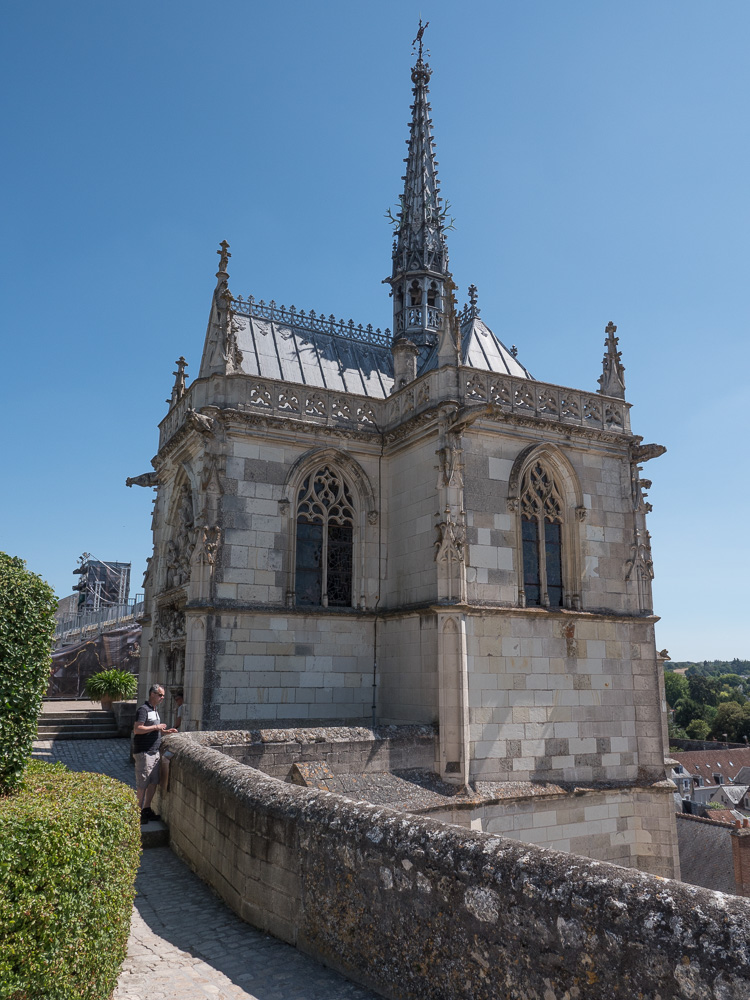
First stop was the chapel of St Hubert, patron of hunters. It’s decorated with a stag whose horns look like the real McCoy; the steeples sport more horns, these made of metal. I learned at the Museum of Hunting and Nature (Musée de la Chasse et de la Nature, in Paris) that while hunting wild boar was a village project, hunting stags was reserved for kings. Practically, deer can be brought down by one adult whereas killing a wild boar, which are massive, requires a a group or did in those days of bows, arrows, clubs, and knives. The religious spin (Isn’t there always one in medieval Christendom?) is that the stag personifies Christ (and thus royal) in that he loses his antlers annually and grows a new pair just like the Resurrection!
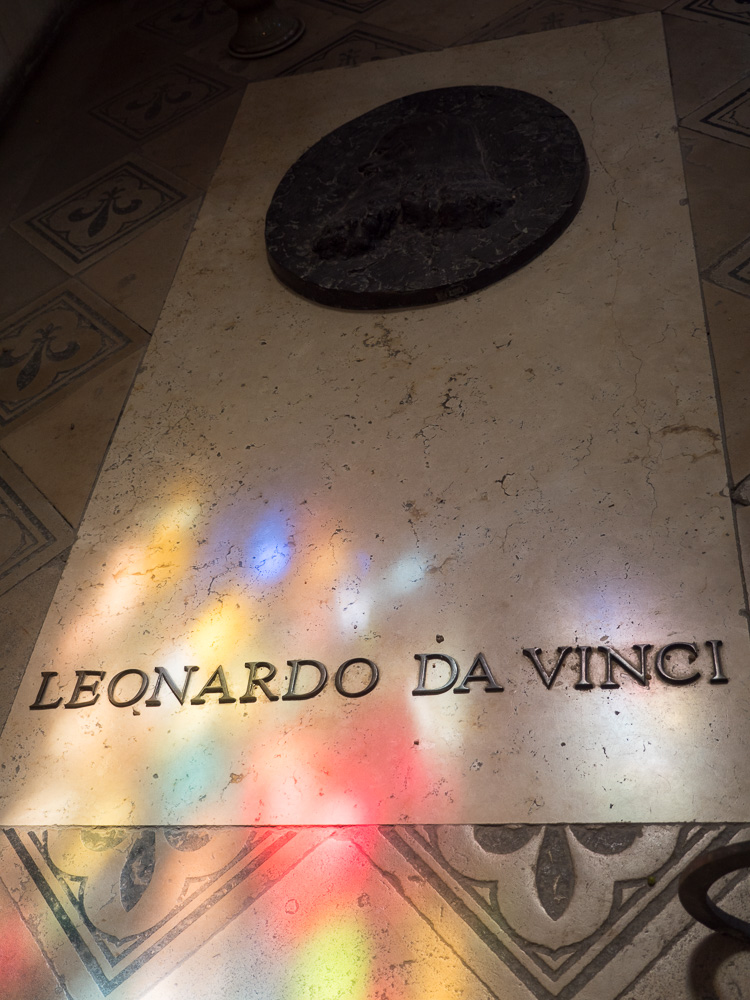
Leonardo da Vinci is buried in the chapel, and so we paid homage to this masterful artist and great friend of Francis I.
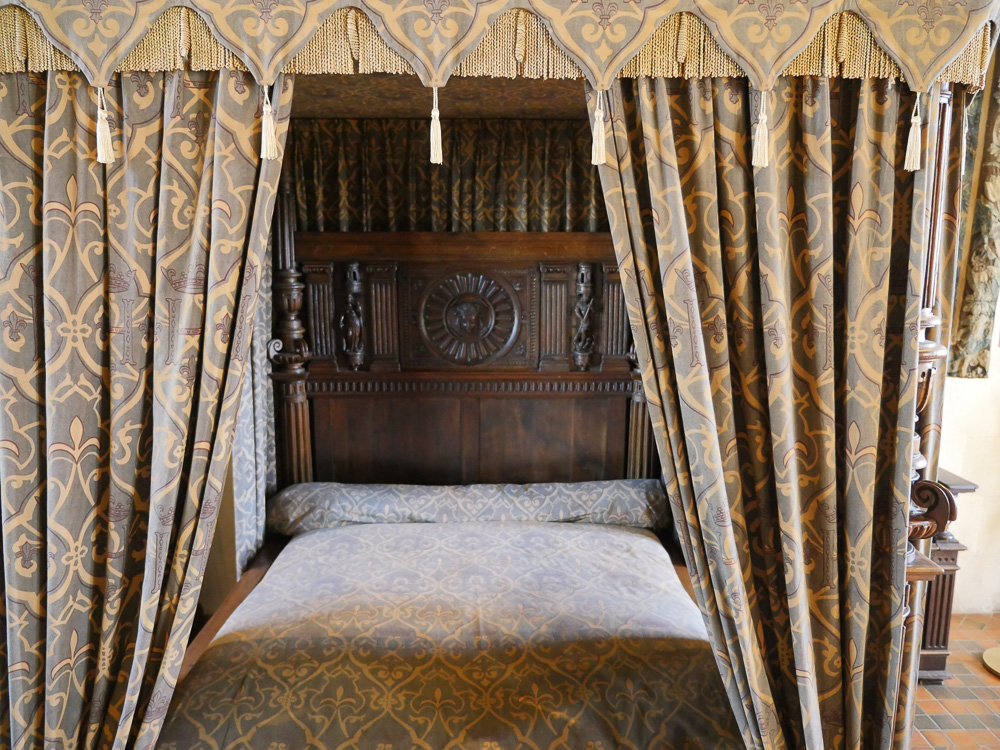
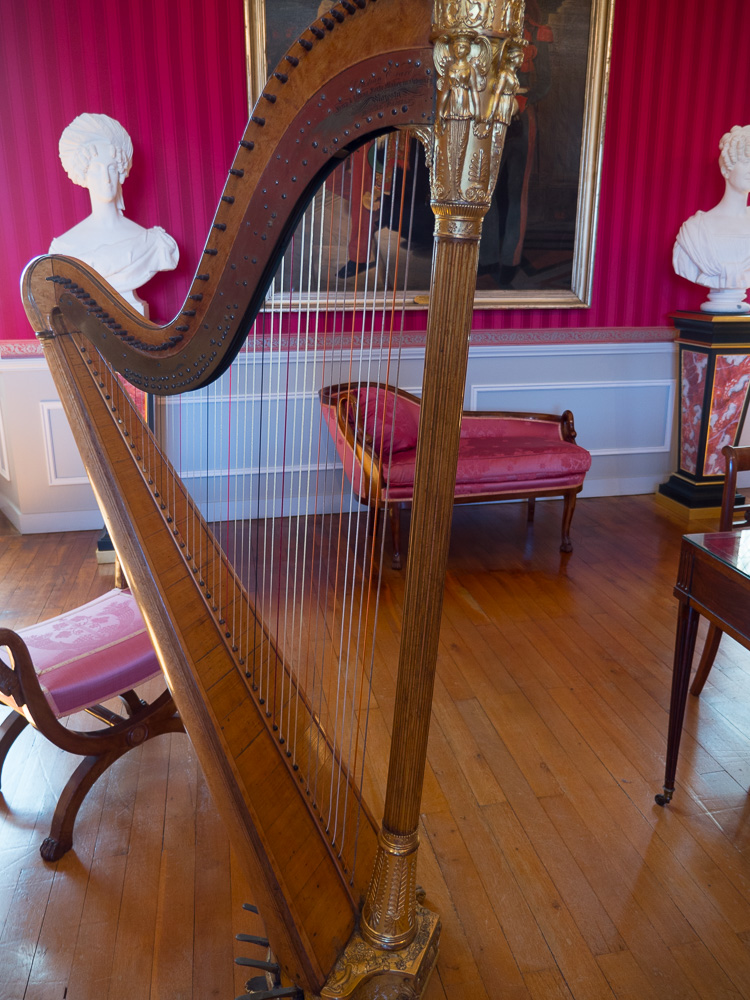
For me, one of the more interesting aspects of the chateau was the area showing how 19th century kings used the castle. I am reading “The Greater Journey” by David McCullough about Americans in Paris between 1830 and 1900 (Samuel Morse! Harriet Beecher Stowe! Elizabeth Blackwell!). Several rooms are devoted to very part-time resident King Louis-Philippe, who spoke English fluently, was a great friend to Americans in Paris at that time, and who lived in the US for 4 years. He was the leader of the Orléanist Party, and supposedly the city of Orleans was named to honor a visit he made to Cape Cod.

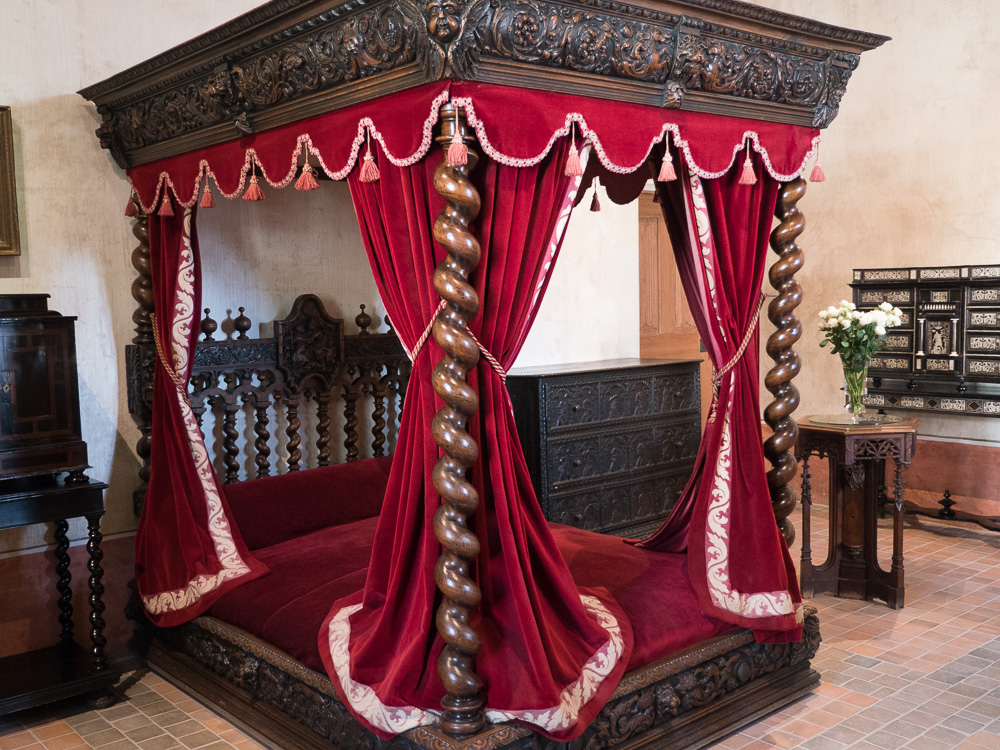
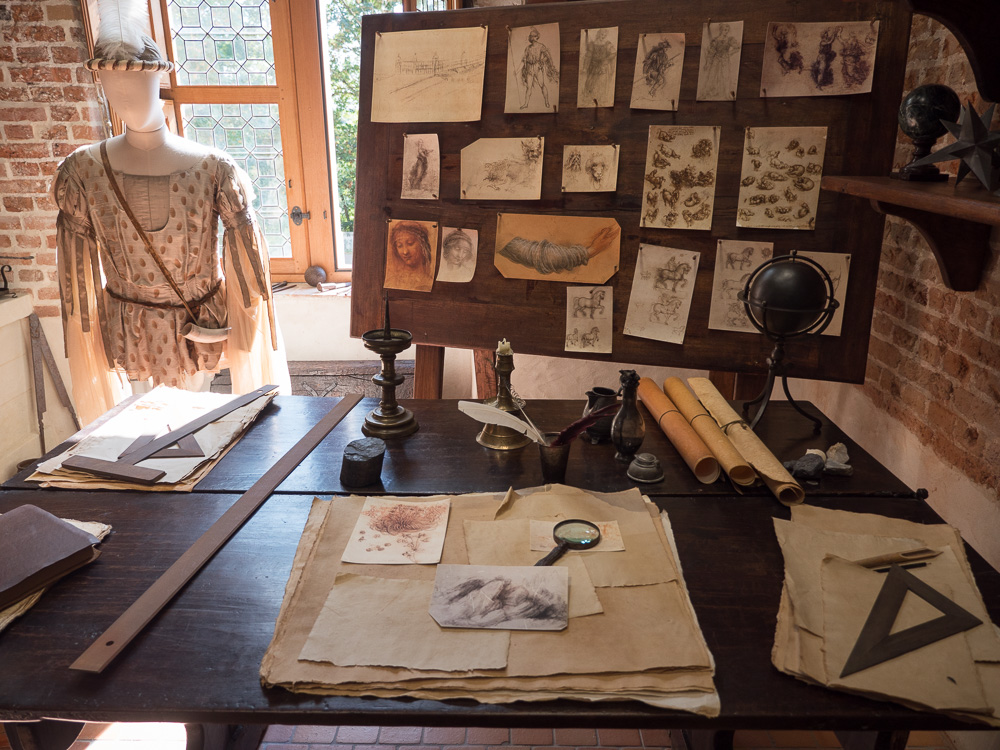
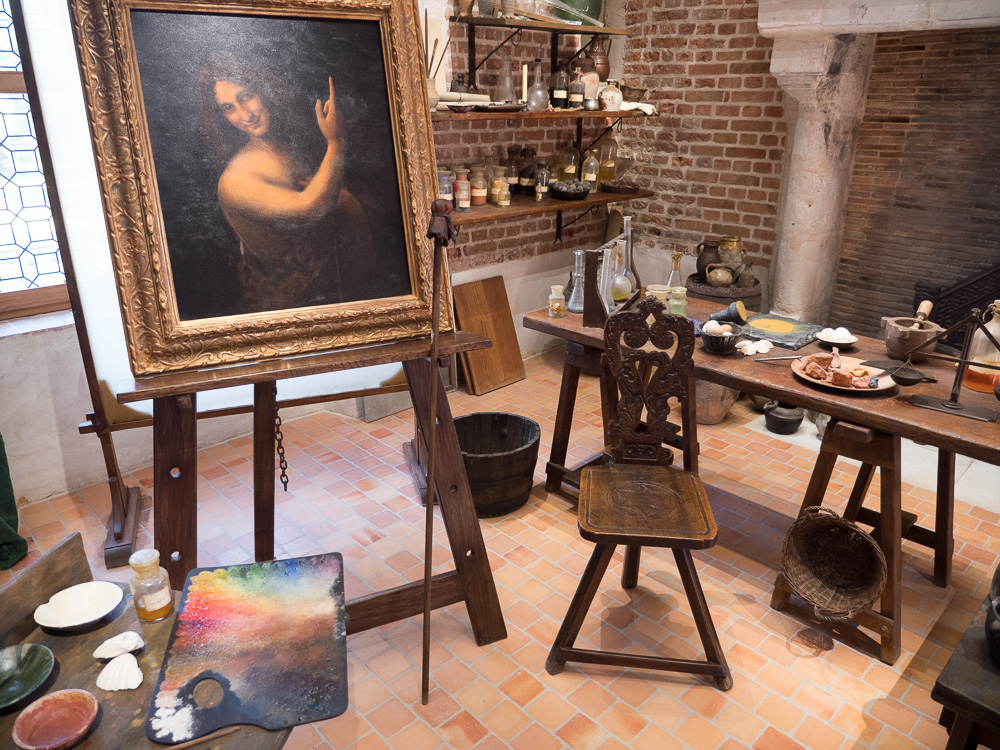
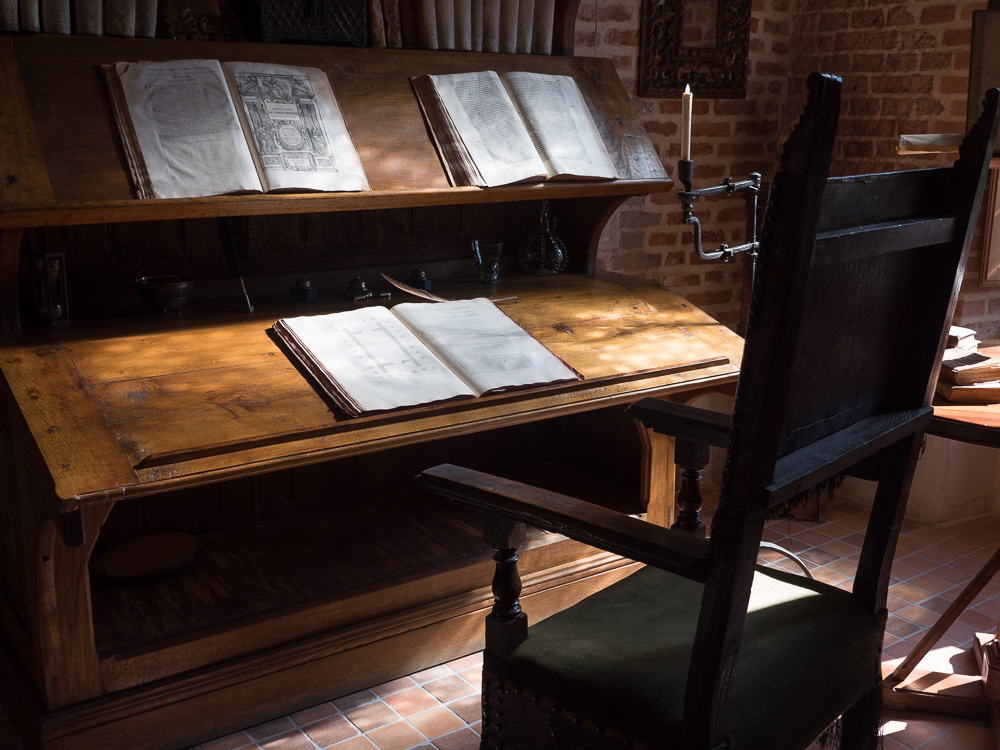
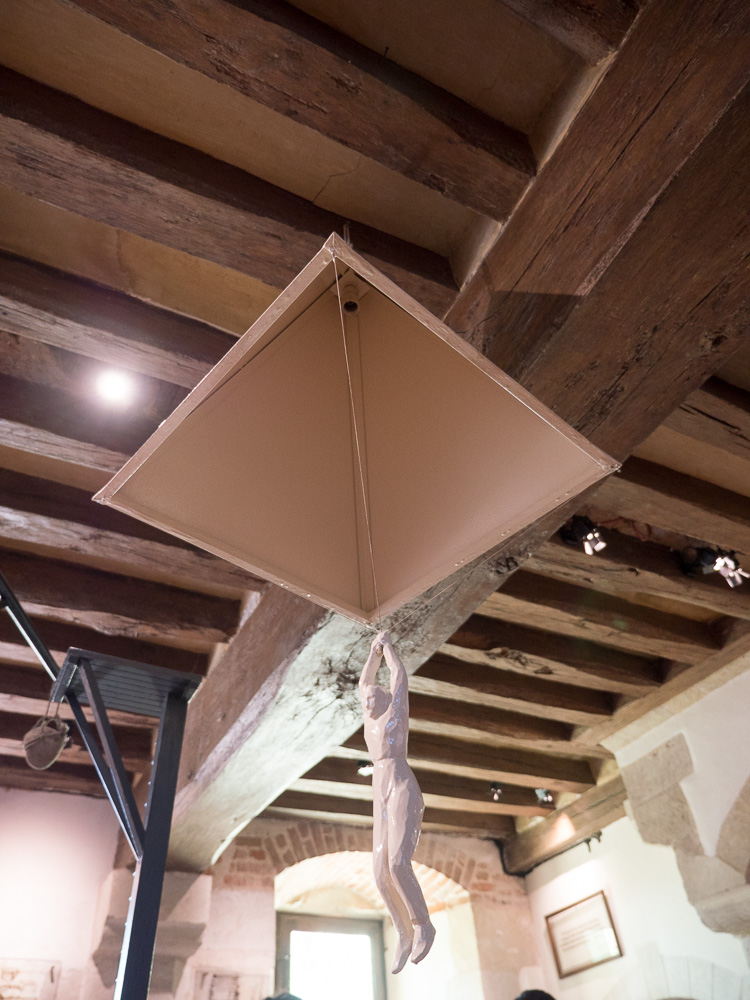
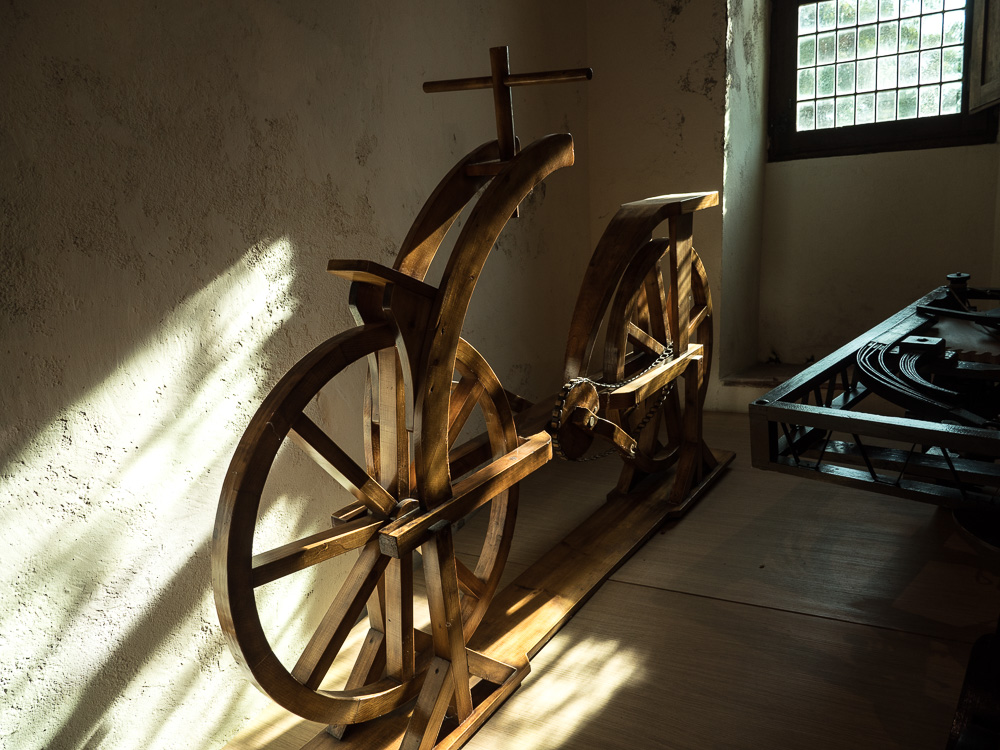
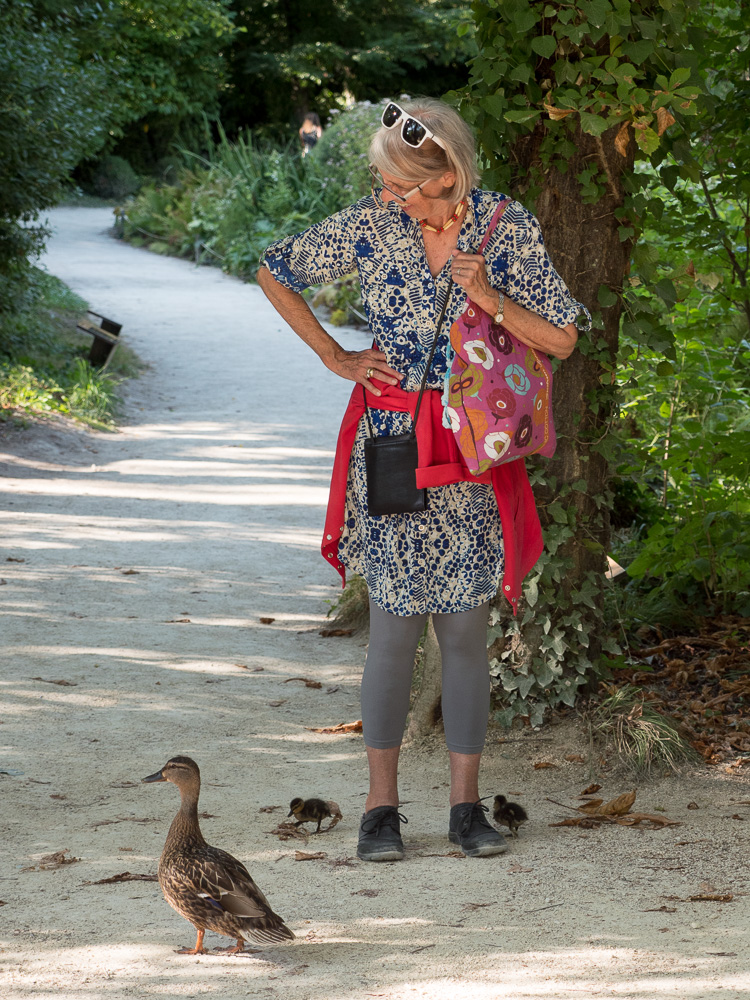
My favorite part of the day was our visit to da Vinci’s house. It was built by the king’s bailiff in 1471, then used as the royal summer castle before housing the artist when he lived in France as guest Francis I. It’s a beautiful home, about 400 meters from the castle, filled with models of the inventions he designed. Da Vinci died it the home (in the bed shown above) with his Francis by his side. The 7 acre grounds are sufficiently extensive to handle crowds on their serpentine paths with another da Vinci invention to try around each turn. Through the garden runs a lovely little river, the Amasse, a tributary of the Loire. Da Vinci was fascinated by water and efforts to harness its power. Children, thrilled to be free from the confines of rooms roped off halfway across and formal garden paths, were having a great time trying out da Vinci’s sluice gates and paddle wheels for boats, and following waddling ducks on their hike from garden pond to the river.
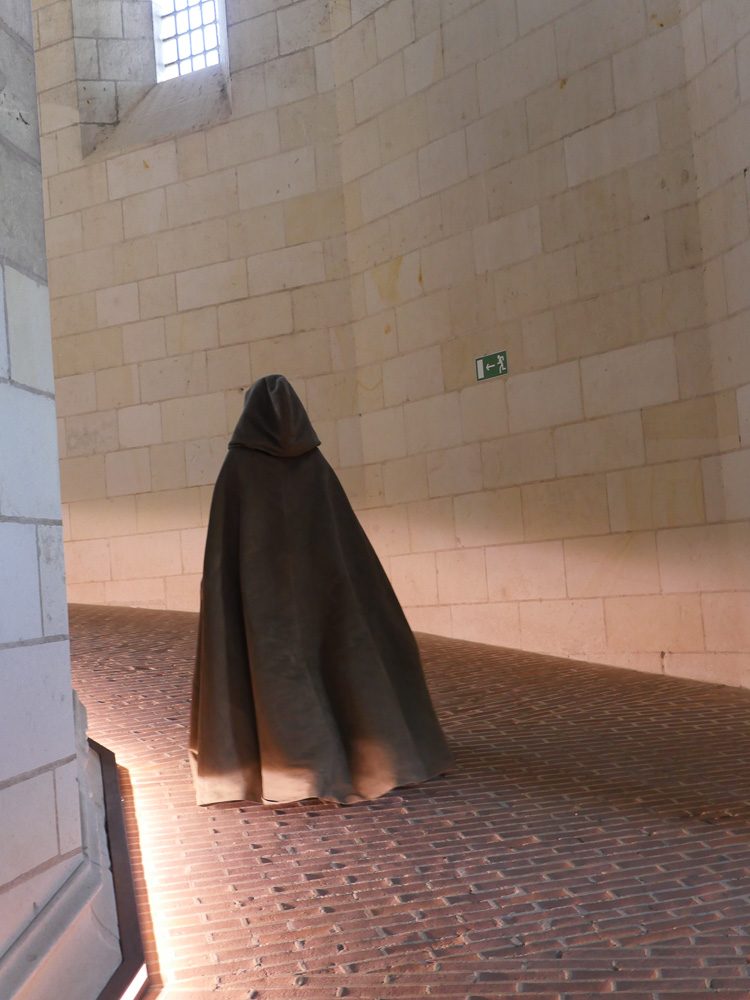
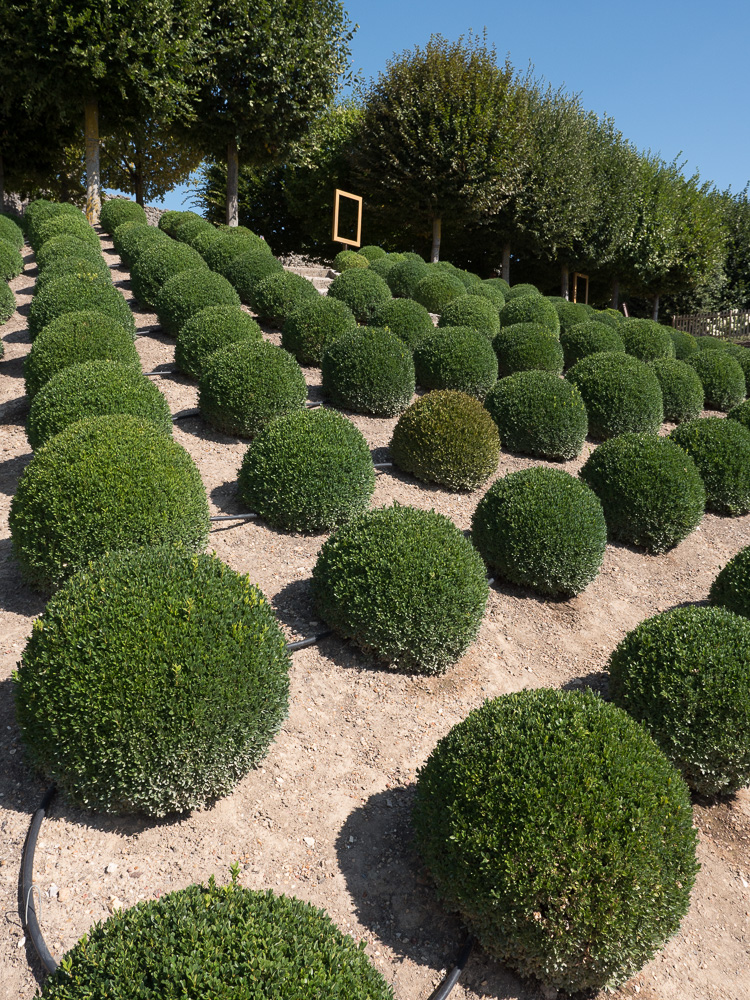
A few more images from the day:
 Keeping up with Pat and Maurice