
Sunday, we took the train to the Blois castle, a complex used by kings of France.

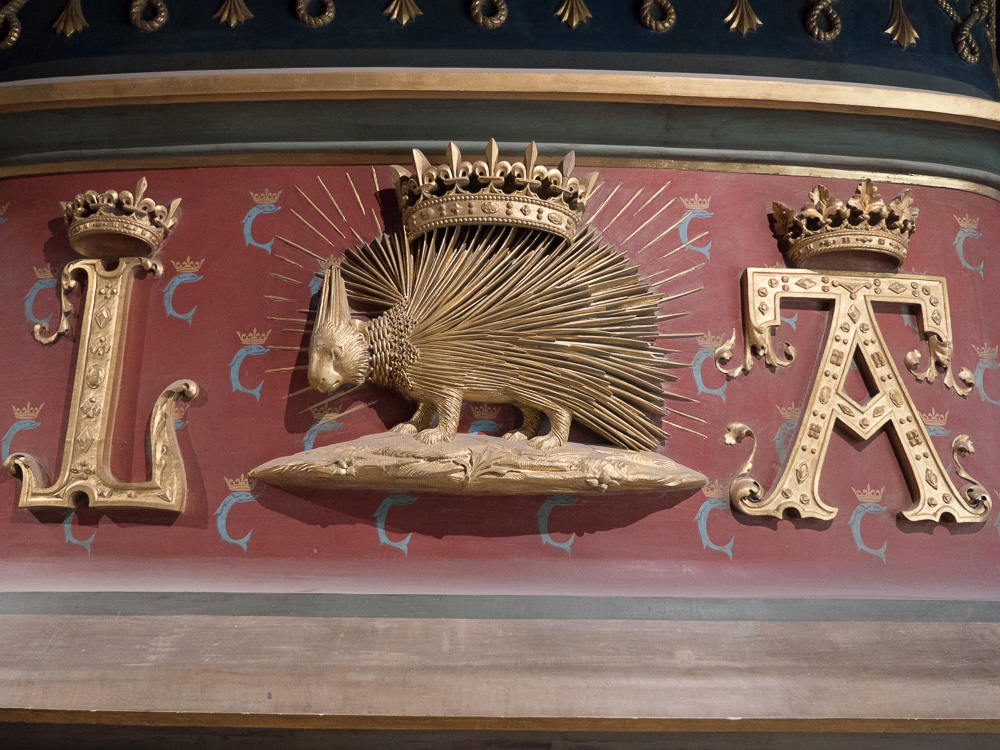
Blois was a feudal castle, a protective fortress, until the beginning of the 16th century when Louis XII (above), who controlled most of France by inheritance and marriage, and so was not afraid of civil wars, began turning it into a château fit for the king that he was. Before him, feudal princes ruled a portion of France (duke of Burgundy, duke of Brittany, and so on). Louis was the first to control the Loire and Brittany regions, which made up most of France at that time. Since he did not have to fight his neighbors, he did not have to raise taxes and thus was a very popular king.
Because of the peaceful times, Blois has no moats, drawbridges, or narrow slit windows for defensive arrows. The new architecture was artistic and Italian in style. Royal expenses were now for entertaining, luxury, diplomacy.
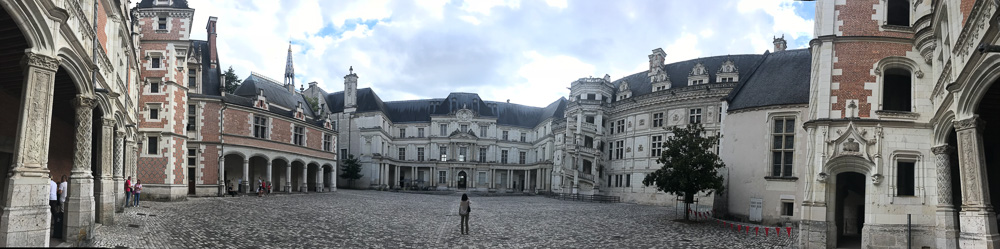
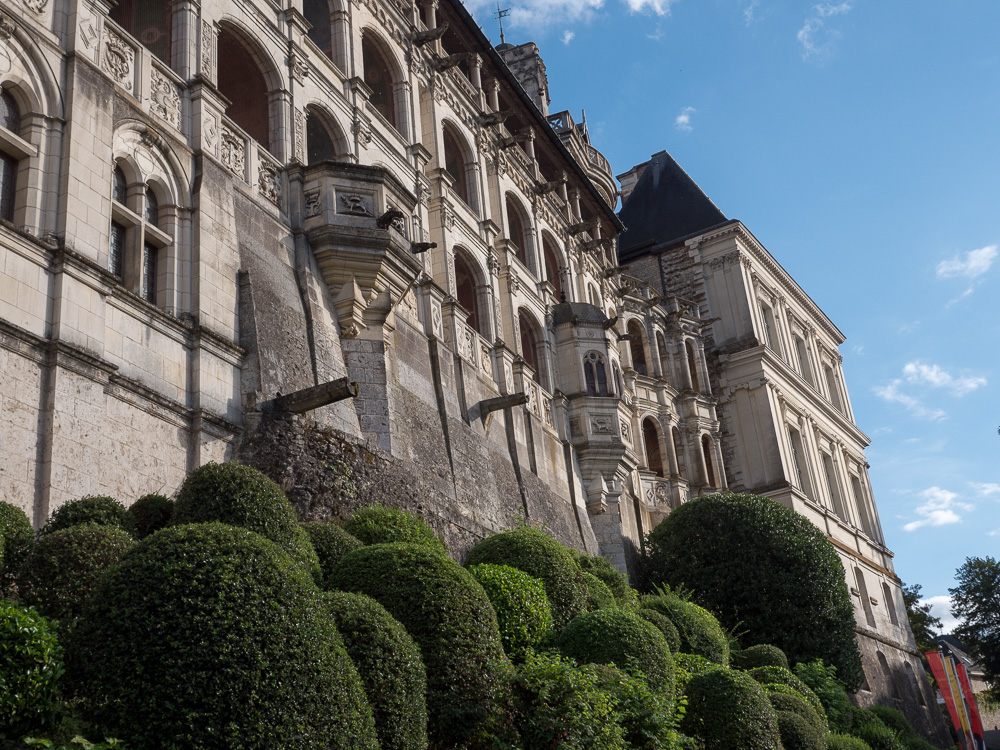
Blois has three distinct wings, each reflecting the personality of those who built them and the eras in which they were built. Before the king arrived, the feudal counts of Blois built a grim exterior a building designed for war. Much of it was destroyed by Louis XII.
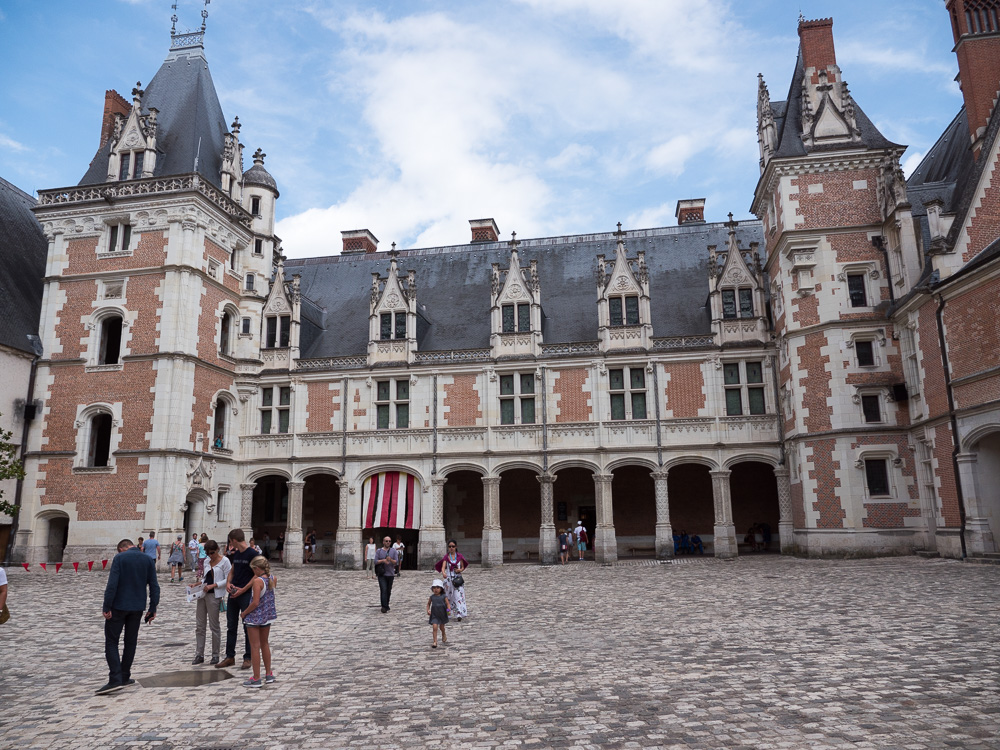
Louis created a large manor house with gardens to soften the brick and stone facade and underline his royal penchant for life’s finer things. Unlike feudal buildings, Louis’ castle has many windows which make it feel light and airy.
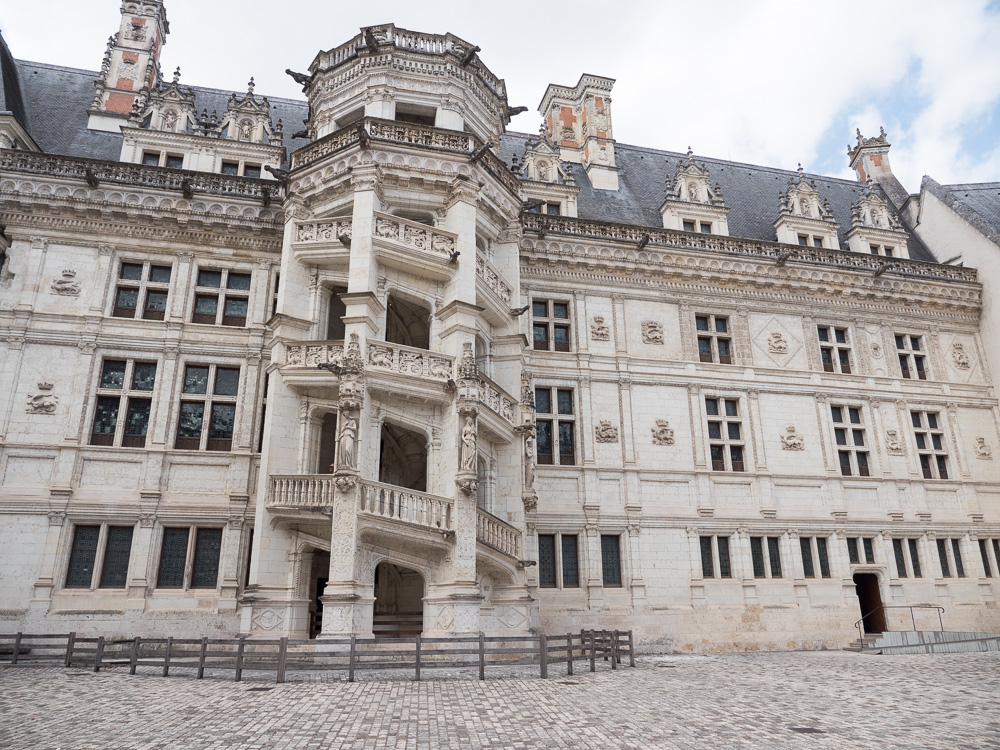
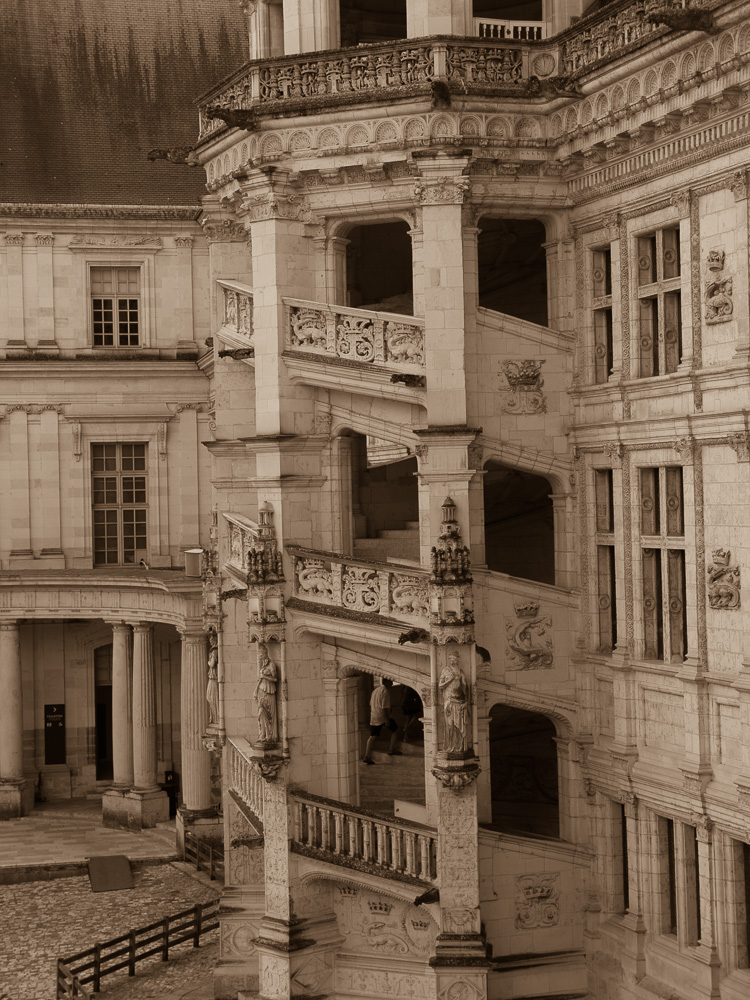
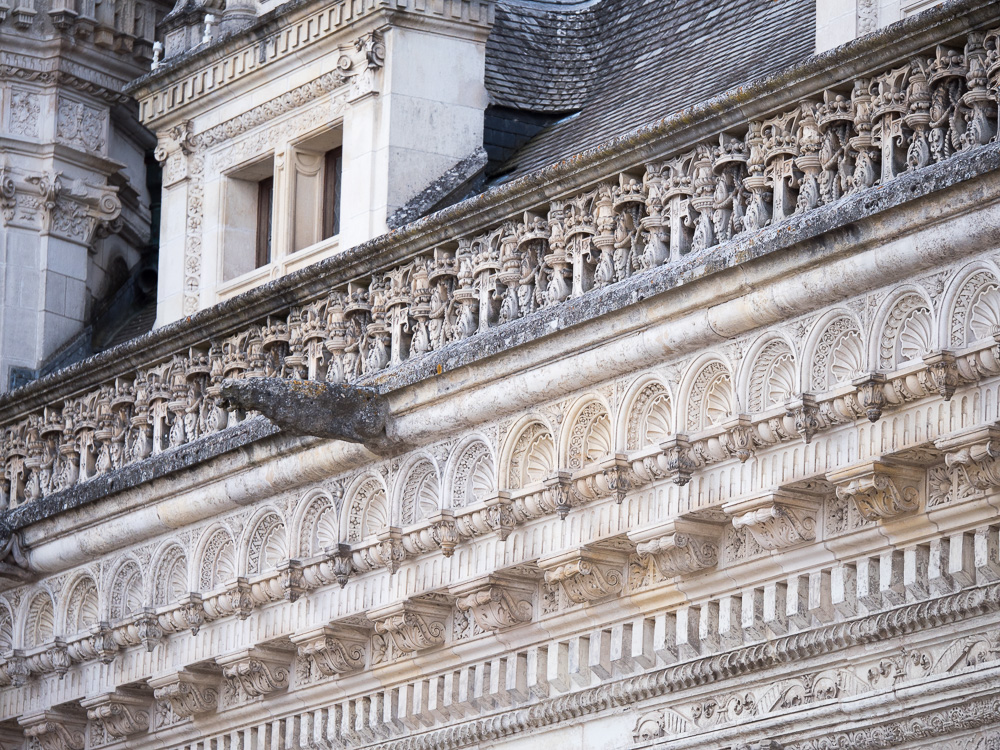
Louis had no sons. His nephew, Francis I, inherited the title and the place. Francis loved art and artists, books and libraries. Francis’ personal library is the core of the Bibliothèque Nationale de France; his art is a cornerstone of the Louvre museum we know today. He was a benefactor and sponsor of Leonardo DaVinci, which explains how the Mona Lisa came to France. In Francis’ wing, stone replaces brick as building material, pilasters and statues decorate walls, windows and balconies let the outside in, and defensive towers are gone forever. A memorable feature of Francis’ wing is a large enclosed spiral staircase.

The next person to influence the architecture of Blois was Gaston d’Orléans, the third son of Henry IV, and not a king. François Mansart (who gave us mansard roofs) was his architect. Mansart loved Florentine art and the building styles of ancient Greece and Rome. His building is in the classic style.
Blois today has 564 bedrooms, and 75 staircases. While it is not as beautiful as later châteaux, it’s role in French history makes it a fascinating place to visit. If you go to any of the Loire’s castles, I recommend Ina Caro as a traveling companion, specifically her “The Road from the Past.”
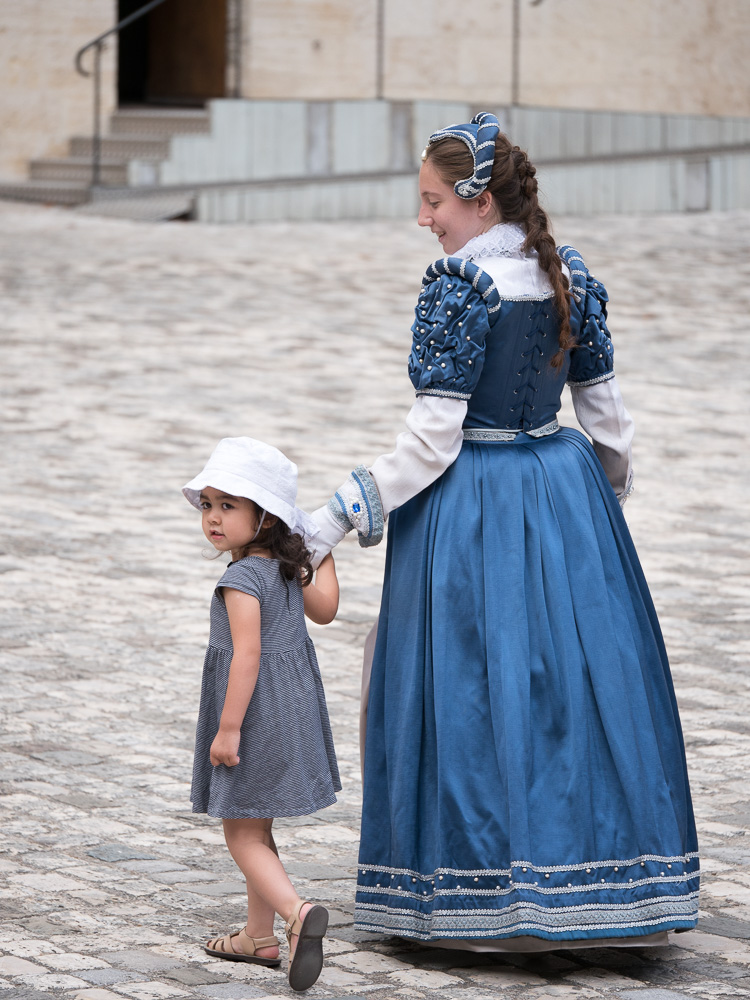
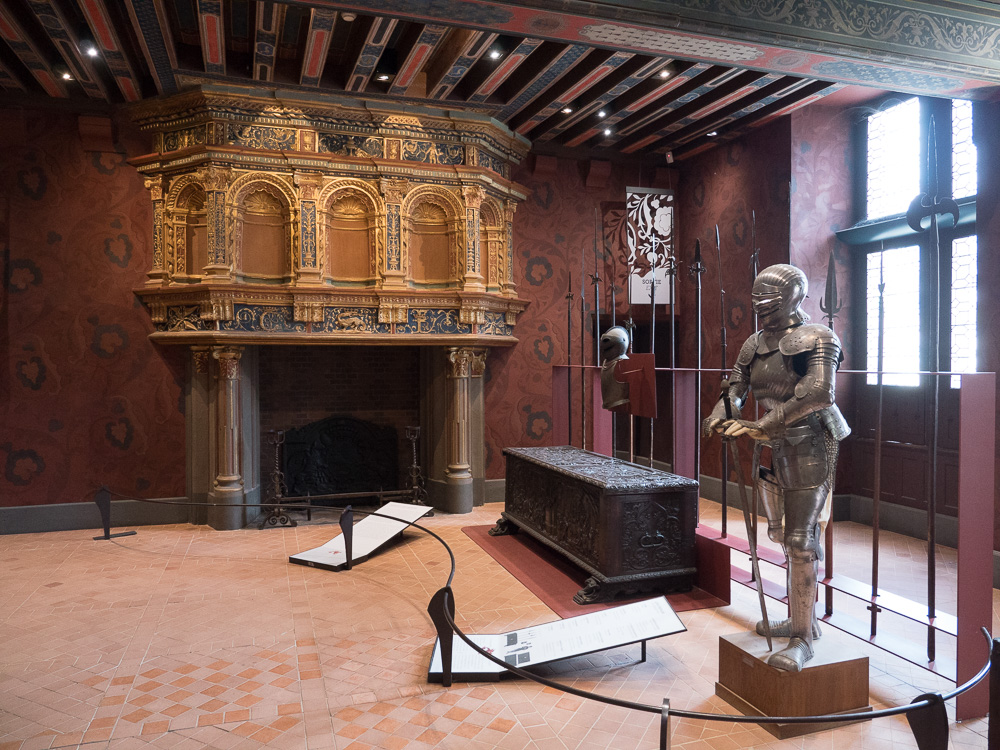
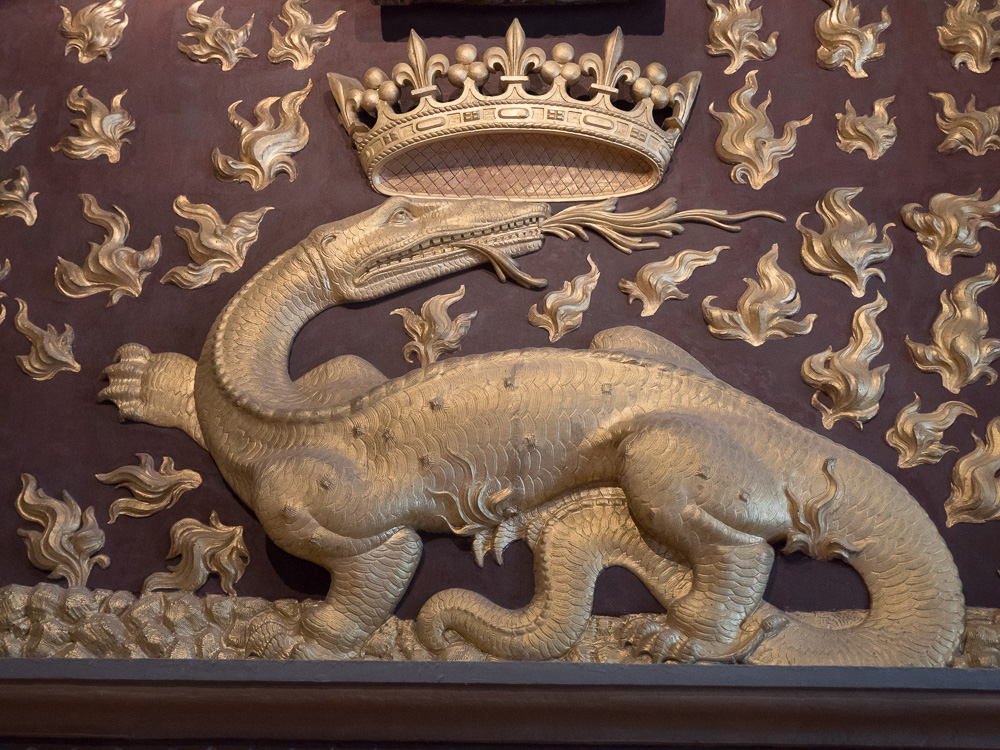
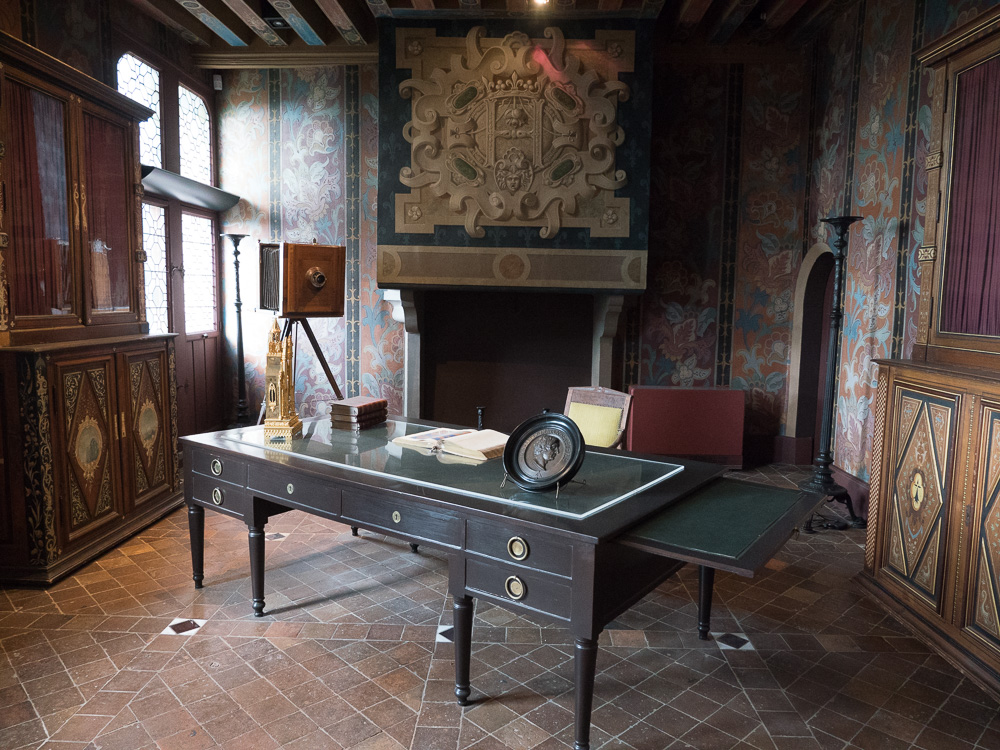
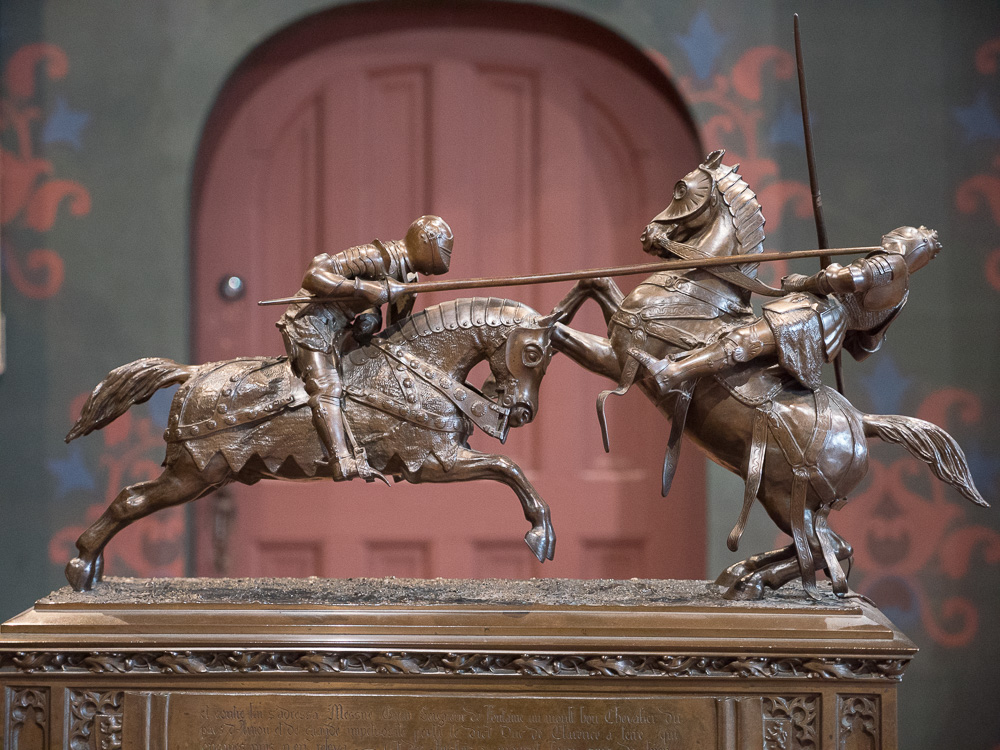
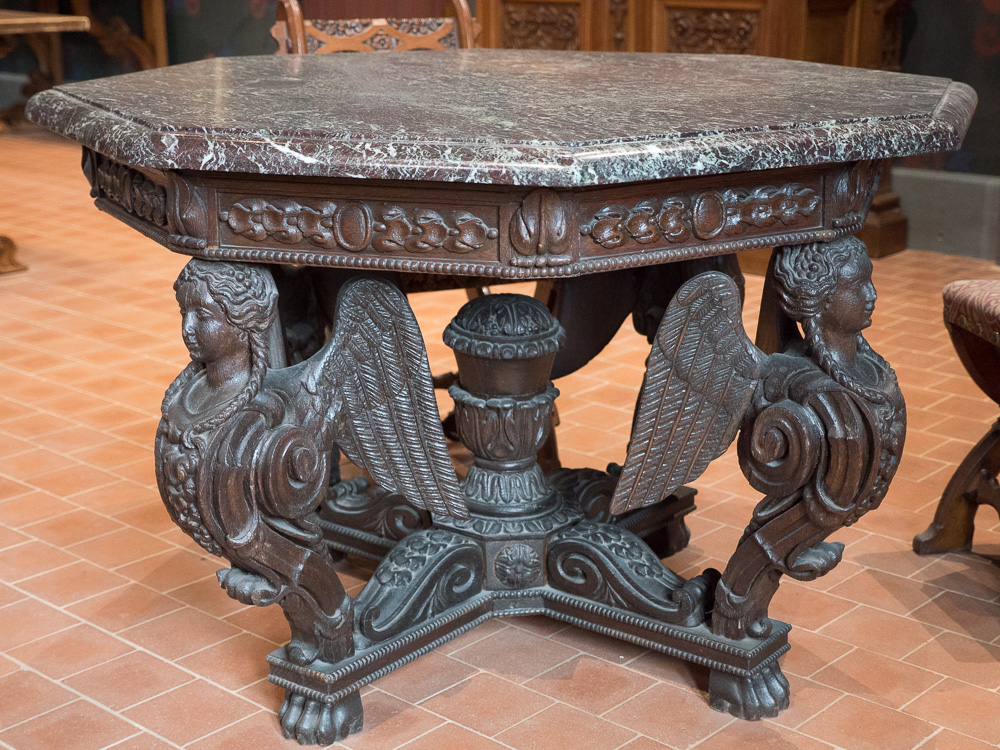
The slides show a few scenes from inside the château, from the courtyard (where a group of dancers and musicians in period costumes perform for and with the tourists) and from the château grounds.


 Keeping up with Pat and Maurice